Pain at the base of the thumb can make everyday activities such as opening jars, turning keys, writing, and holding a phone uncomfortable. Although occasional soreness may result from overuse, persistent pain, stiffness, or swelling could indicate an underlying joint condition. Understanding the cause is essential for choosing an appropriate treatment and maintaining hand function.
Several options are available to manage symptoms, ranging from simple lifestyle changes to medical procedures and surgery. The right approach depends on the severity of the condition, the patient's daily activities, and how much the symptoms affect their quality of life.
What Causes Pain at the Base of the Thumb?
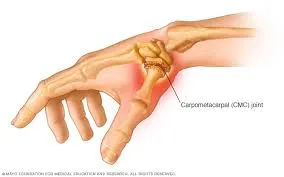
The thumb's carpometacarpal (CMC) joint connects the base of the thumb to the wrist and allows the thumb to move in different directions. This flexibility makes gripping and pinching possible, but it also places considerable stress on the joint.
Thumb arthritis commonly develops when the protective cartilage within this joint gradually wears away. This can cause bones to rub against one another, leading to pain, stiffness, swelling, and reduced grip strength.
Age-related changes, previous injuries, repetitive hand movements, and genetic factors may contribute to the condition. Symptoms often become more noticeable during activities that involve twisting, pinching, or applying pressure with the thumb.
1. Activity Modification and Joint Protection
One of the simplest ways to manage discomfort is to reduce unnecessary stress on the affected joint. Small adjustments to everyday habits can help minimise pain and make routine tasks easier.
Consider using both hands to lift heavier objects, choosing tools with larger handles, and avoiding forceful pinching movements. Jar openers, ergonomic kitchen utensils, and other assistive devices can also reduce pressure on the thumb.
Taking regular breaks during repetitive activities may help prevent symptoms from worsening. However, complete inactivity is generally unnecessary, and maintaining comfortable movement can support everyday hand function.
2. Thumb Splints and Braces
A thumb splint or brace can stabilise the affected joint and reduce painful movements during daily activities. Some braces support the base of the thumb while allowing the fingers to move freely, making them practical for routine tasks.
A healthcare professional can recommend a suitable design based on the location and severity of the pain. Wearing a brace during activities that trigger symptoms or at night may help some people.
The fit is important because a brace that is too tight can cause discomfort or interfere with circulation. Splints may relieve symptoms, but they do not reverse cartilage damage.
3. Medication and Pain Relief
Over-the-counter pain relievers may help manage discomfort associated with joint inflammation. Topical anti-inflammatory gels can be useful for some patients, while oral nonsteroidal anti-inflammatory drugs (NSAIDs) may be considered when appropriate.
However, these medications are not suitable for everyone. Oral NSAIDs can cause stomach, kidney, cardiovascular, and other complications, particularly with prolonged use. Patients should consult a healthcare professional before starting medication, especially if they have existing medical conditions or take other medicines.
Medication may provide temporary relief, but a comprehensive treatment plan should also address joint protection, mobility, and functional limitations.
4. Hand Therapy and Targeted Exercises
Hand therapy can help improve thumb mobility, maintain strength, and teach patients safer ways to perform everyday activities. A qualified hand therapist may recommend gentle range-of-motion exercises, controlled strengthening, and techniques for protecting the affected joint.
Exercises should be adapted to the individual's symptoms and abilities. Forcing painful movements or performing excessive repetitions may aggravate discomfort.
A therapist can also assess grip patterns and recommend practical adjustments for work, hobbies, and household activities. Consistency and appropriate guidance are important for achieving the best possible functional improvement.
5. Corticosteroid Injections
When pain persists despite conservative treatment, a healthcare professional may consider a corticosteroid injection into the affected joint. These injections can reduce inflammation and provide temporary symptom relief for selected patients.
The duration of relief varies, and injections may be less effective in advanced disease. Repeated injections also carry potential risks, so their frequency should be discussed with a qualified specialist.
An examination and, when necessary, imaging can help determine whether an injection is appropriate and whether another treatment would be more beneficial.
6. Surgical Treatment for Persistent Symptoms
Surgery may be considered when pain significantly interferes with daily activities and non-surgical treatments have not provided sufficient relief.
Depending on the joint's condition and the patient's needs, surgical options may include removal of the trapezium bone (trapeziectomy), ligament reconstruction with or without tendon interposition, or joint fusion in selected cases. Joint replacement may also be appropriate for certain patients.
Each procedure has potential benefits, limitations, and recovery requirements. A hand surgeon can explain the available options, expected outcomes, risks, and rehabilitation process before recommending an approach.
When Should You Seek Medical Advice?
Arrange an assessment if thumb pain persists, repeatedly returns, or begins to interfere with routine activities. Early evaluation can help identify the cause and establish an appropriate management plan.
Seek prompt medical attention if pain follows a significant injury or is accompanied by severe swelling, redness, warmth, fever, deformity, or sudden loss of movement. These symptoms may indicate a problem that requires urgent assessment.
Conclusion
Managing pain at the base of the thumb starts with understanding its cause and choosing treatment that matches the severity of the symptoms. Activity modification, splints, appropriate medication, hand therapy, and selected injections can help many people manage discomfort. Surgery may be an option when symptoms remain severe despite conservative care.
If you are experiencing persistent thumb pain or difficulty using your hand, professional evaluation can help you understand your options and make an informed decision about your care.