The Silent Surge: Blockchain’s Ubiquity Beyond Crypto
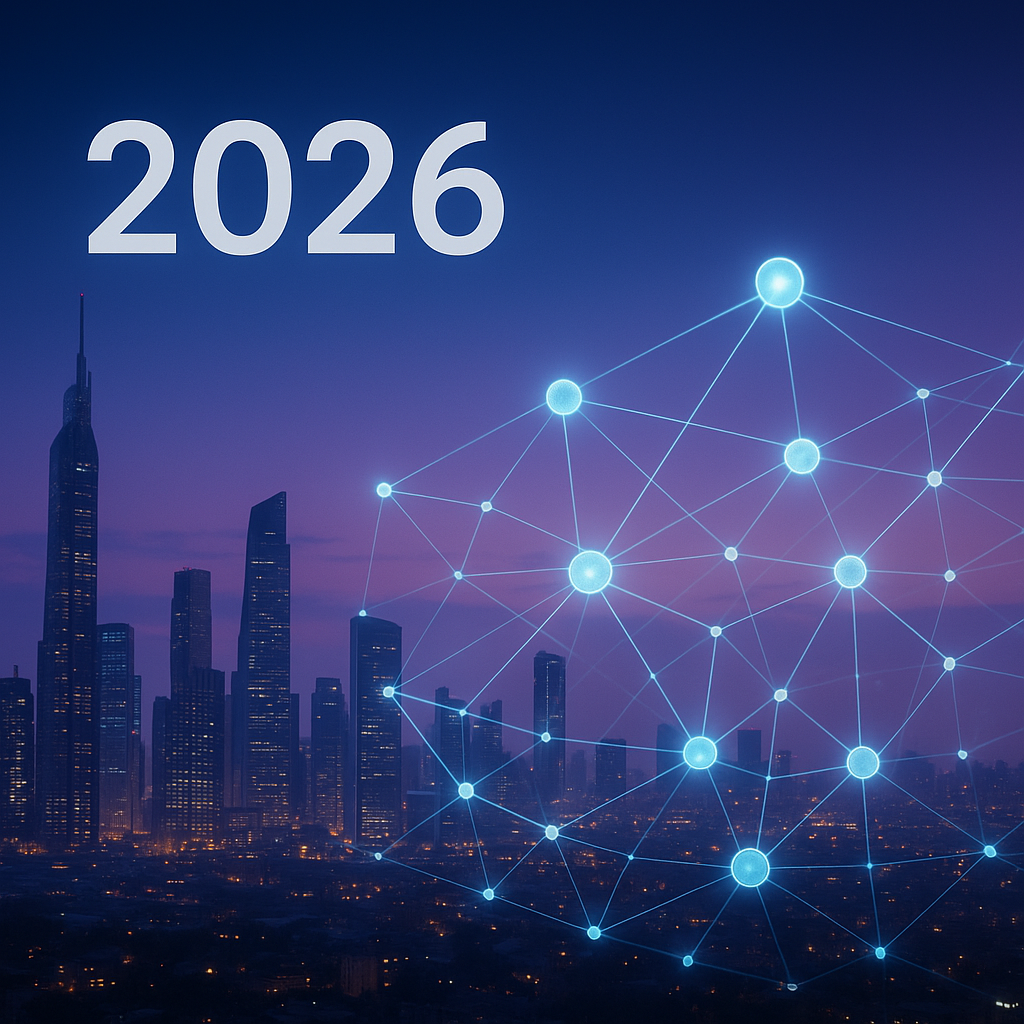
In a bustling fintech conference center in Singapore during early 2026, a striking realization emerged among attendees: blockchain technology is no longer confined to cryptocurrencies or speculative finance. Instead, it has quietly permeated multiple layers of global digital infrastructure, reshaping trust mechanisms in sectors as diverse as supply chain management, healthcare, and digital identity. According to Statista data, the global blockchain market is expected to surpass $35 billion in 2026, reflecting a near 30% compound annual growth rate since 2023. This widespread adoption underscores blockchain’s evolution from a niche technology to a foundational component underpinning transparency and security in digital ecosystems.
Yet, this transformation is not without its challenges. The debate over blockchain’s environmental footprint, scalability, and governance models intensifies as enterprises and governments grapple with integrating decentralized ledgers at scale. Meanwhile, visionary leaders, including Duolingo’s Luis von Ahn, have called for reimagining digital trust beyond blockchain’s current paradigms, sparking vigorous discourse within the tech community. This article explores blockchain’s journey, its current state in 2026, and what lies ahead in this evolving narrative.
“Blockchain’s promise lies not just in decentralization but in redefining how trust is established across borders and industries.” — Industry Analyst, TheOmniBuzz
From Bitcoin to Enterprise Integration: Charting Blockchain’s Trajectory
The origin story of blockchain technology is well known: birthed by the Bitcoin whitepaper in 2008, blockchain introduced a decentralized, immutable ledger designed to support peer-to-peer digital cash. Early enthusiasm centered on cryptocurrencies, but by 2015, enterprises began experimenting with permissioned blockchains for business applications.
Several key milestones shaped blockchain’s trajectory:
- 2015-2017: Emergence of Ethereum and smart contracts enabled programmable, trustless agreements, expanding blockchain use cases beyond simple transactions.
- 2018-2020: Corporate consortia such as Hyperledger and R3 Corda fostered blockchain adoption in finance, supply chains, and healthcare, focusing on privacy and compliance.
- 2021-2023: The rise of decentralized finance (DeFi) and non-fungible tokens (NFTs) sparked mainstream interest but also volatility and regulatory scrutiny.
- 2024-2026: Integration with Web3 technologies, identity frameworks, and cross-chain interoperability has matured, driving enterprise and public sector deployments.
The technology’s evolution reflects a shift from speculative use to pragmatic solutions addressing real-world problems of trust, data integrity, and transparency. This shift is vividly illustrated in sectors like supply chain, where blockchain has become instrumental in fighting counterfeit goods and ensuring provenance.
“Blockchain’s journey from a cryptocurrency novelty to a backbone of digital trust reveals its adaptability and persistent relevance.” — TheOmniBuzz Editorial Board
Core Mechanisms and Metrics: Understanding Blockchain’s Technical Maturation
At its heart, blockchain is a distributed ledger maintained by a network of nodes, employing consensus algorithms to validate transactions and ensure immutability. Over the past three years, improvements in consensus mechanisms have significantly increased throughput and reduced energy consumption.
Key technical evolutions include:
- Proof of Stake (PoS) Dominance: By 2026, PoS and its variants such as Proof of History (PoH) and Delegated Proof of Stake (DPoS) have largely supplanted energy-intensive Proof of Work (PoW) systems, reducing blockchain energy consumption by over 85% compared to 2020 levels, according to industry estimates.
- Layer 2 Scaling Solutions: Technologies like rollups, sidechains, and sharding have enabled major blockchains such as Ethereum and Solana to achieve transaction speeds exceeding 100,000 TPS under optimal conditions.
- Cross-Chain Interoperability: Protocols such as Polkadot, Cosmos, and LayerZero facilitate seamless communication and asset transfers between disparate blockchain networks, fostering a more integrated Web3 ecosystem.
Furthermore, the integration of zero-knowledge proofs and homomorphic encryption has enhanced privacy without sacrificing transparency, critical for enterprise adoption in regulated industries.
Despite these advances, challenges persist. Network congestion during peak demand, complexity of smart contract security, and governance disputes occasionally disrupt operations. Nevertheless, blockchain’s technical maturity in 2026 is unprecedented, positioning it as a reliable infrastructure layer.
2026 Landscape: Blockchain's Role in Digital Identity, Finance, and Supply Chains
Blockchain’s practical applications have proliferated dramatically this year. Digital identity has emerged as a flagship use case, with governments and private entities leveraging decentralized identifiers (DIDs) to empower citizens and customers with sovereign control over personal data. Projects like Estonia’s e-Residency 2.0 and India's revamped Aadhaar system now incorporate blockchain to enhance security and auditability.
In finance, decentralized finance (DeFi) protocols have matured, achieving $150 billion in total value locked (TVL) by mid-2026, according to DeFiLlama, reflecting more robust risk management frameworks and regulatory compliance. Traditional financial institutions increasingly integrate blockchain-based settlement and custody services to reduce counterparty risk and improve transparency.
Supply chains also continue to benefit from blockchain’s immutable record-keeping. Major retailers and manufacturers including Walmart, Maersk, and Samsung employ blockchain-based traceability systems to combat fraud and ensure ethical sourcing. These implementations have reduced product recalls by 22% and improved inventory turnover rates by 16% year-over-year, according to industry reports.
- Healthcare: Blockchain facilitates secure sharing of electronic health records, improving patient outcomes through interoperability without compromising privacy.
- Energy: Peer-to-peer energy trading platforms leverage blockchain for transparent, real-time settlements in decentralized grids.
- Public Sector: Transparent voting systems and land registries utilize blockchain to enhance trust and reduce corruption.
Such developments highlight blockchain’s transition from experimental to indispensable in many sectors. For a deeper dive into blockchain’s foundational role in digital trust, readers can explore this detailed analysis from TheOmniBuzz.
Industry Voices and the Blockchain Paradox
Despite blockchain’s advances, debates about its future intensify. Luis von Ahn, co-founder of Duolingo, recently sparked controversy by advocating to “delete the blockchain” and rethink digital trust models altogether. His argument centers on blockchain’s scalability limitations and inefficiencies hindering broader adoption. Von Ahn proposes alternative cryptographic frameworks that could deliver trust without the overheads of current blockchains.
Industry leaders offer varied perspectives:
- Optimists: Emphasize blockchain’s unparalleled ability to democratize trust and eliminate intermediaries.
- Realists: Acknowledge blockchain’s strengths but caution against viewing it as a panacea for all digital trust problems.
- Critics: Highlight environmental, governance, and usability hurdles that hamper mainstream integration.
These divergent views fuel innovation and critical reassessment, ensuring the technology evolves responsibly. TheOmniBuzz has covered this debate extensively, particularly in this feature piece that contextualizes the challenges and visionary alternatives proposed.
“The future of blockchain depends not on dogmatic adherence but on adaptability and openness to new trust paradigms.” — Blockchain Policy Expert, TheOmniBuzz
Looking Ahead: What to Watch in Blockchain’s Next Chapter
As 2026 advances, several trends warrant close attention. First, the continued integration of artificial intelligence (AI) with blockchain promises to unlock new efficiencies in automated contract execution, fraud detection, and data analytics. AI-powered oracles are becoming more sophisticated, providing trusted real-world data feeds to blockchain applications.
Second, regulatory clarity worldwide is gradually improving. While the US, EU, and Asia have adopted varied stances, recent multilateral efforts aim to harmonize standards around digital assets, privacy, and consumer protection, reducing uncertainty for innovators and investors.
Third, the evolution of hybrid blockchain architectures—blending public and private elements—will likely accelerate. Such models balance transparency with confidentiality, catering to enterprise needs without sacrificing decentralization principles.
Finally, emerging Web3 identity frameworks and decentralized autonomous organizations (DAOs) are poised to redefine governance, ownership, and community participation in unprecedented ways.
- Watch for breakthroughs in quantum-resistant cryptography to future-proof blockchains against emerging threats.
- Monitor major corporate and sovereign blockchain consortia for collaborative innovation and standards setting.
- Assess how blockchain integrates with metaverse platforms as digital economies and virtual societies expand.
Blockchain’s trajectory remains dynamic and complex, but its foundational role in shaping digital trust and transparency is indisputable. Stakeholders must balance enthusiasm with critical scrutiny to harness blockchain’s full potential responsibly.
For more insights on blockchain’s foundational role in innovation, consult this comprehensive article by TheOmniBuzz editorial team.