
Unpacking the Surge: AI and Micro-Moments in Ecommerce Today
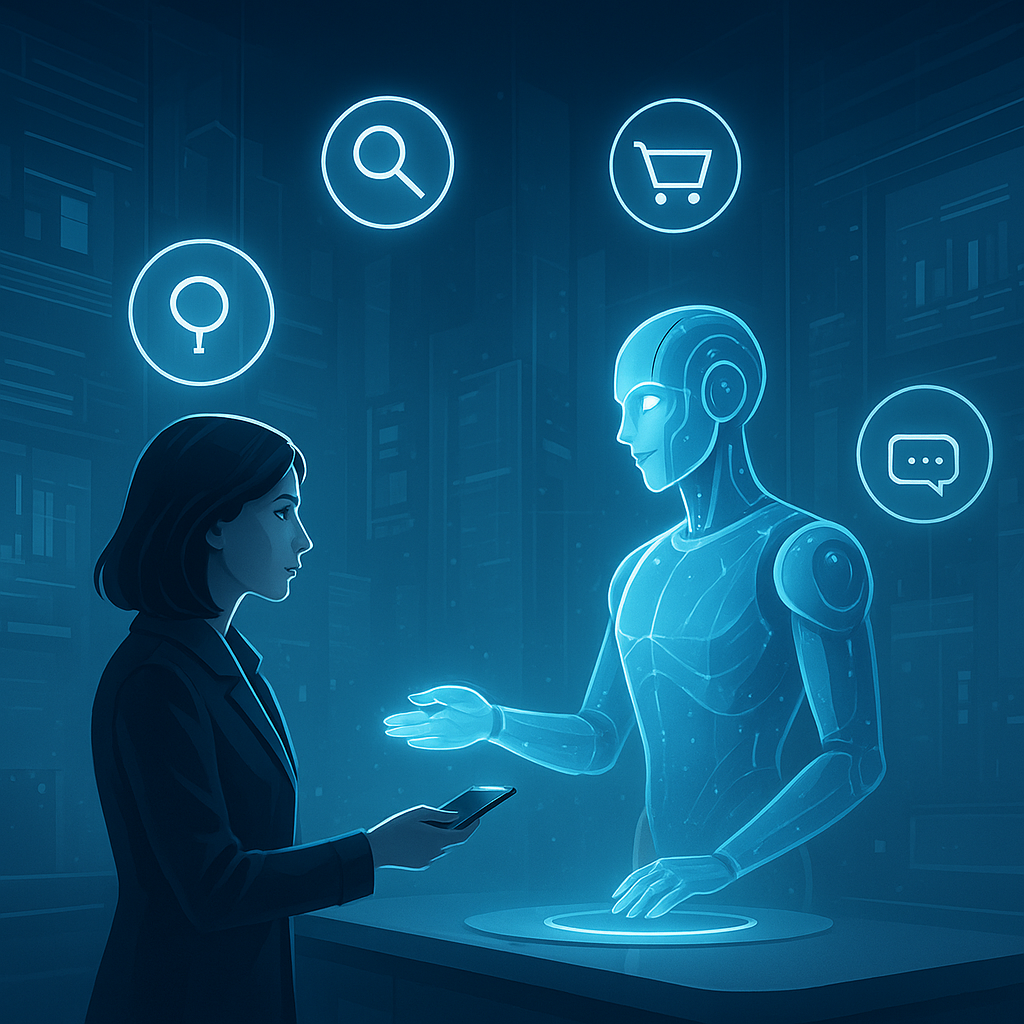
Imagine a consumer standing in a mall, smartphone in hand, comparing product prices, scanning reviews, and making an instant purchase—all before moving to the next store. This scene, commonplace yet transformative, epitomizes the latest wave sweeping ecommerce in 2026. The convergence of advanced artificial intelligence (AI) technologies and the exploitation of micro-moments—those tiny, intent-rich consumer interactions lasting seconds—has shifted how brands engage customers. According to recent industry reports, over 68% of online transactions in the U.S. now occur within micro-moment windows, driven by AI-powered personalized recommendations and real-time decisioning.
Retailers who mastered traditional digital storefronts are now compelled to innovate beyond simple web presence. The era of static product catalogs is fading. Instead, dynamic, AI-driven experiences that anticipate consumer intent and deliver tailored content in milliseconds are becoming the norm. This trend is fueled by the proliferation of mobile devices, ultra-fast 5G connectivity, and the rise of voice and visual search technologies, all converging to redefine the customer journey.
“The future of ecommerce is not just about selling products online; it’s about capturing fleeting consumer intent in real time and responding instantly with hyper-personalized offers,” says Dr. Elaine Fischer, Chief Innovation Officer at RetailNext Labs.
Tracing the Path: How Ecommerce Arrived at This Pivotal Moment
To fully grasp the seismic shifts of 2026, it’s essential to revisit ecommerce’s evolutionary trajectory. The late 2010s marked a period dominated by platform-centric growth—Shopify, Amazon, and Alibaba emerged as titans, leveraging scale and logistics to capture global market share. The early 2020s introduced AI-powered chatbots and recommendation engines, pioneering personalized experiences but largely reactive and siloed.
Mid-decade, the integration of SaaS solutions radically democratized access to ecommerce capabilities. Merchants could now deploy sophisticated tools without heavy IT overhead, accelerating innovation cycles. This phase also saw the rise of omnichannel approaches, where physical and digital retail blurred, creating seamless experiences across touchpoints.
The real inflection point came with the harnessing of AI to interpret micro-moments—those split-second windows where consumers seek answers or make decisions. Advances in real-time data analytics, combined with AI models capable of predicting intent, allowed brands to serve contextually relevant content precisely when and where it mattered.
According to a 2025 Gartner study, “Brands that leveraged AI-based micro-moment marketing saw a 40% lift in conversion rates and a 25% increase in average order value compared to traditional ecommerce strategies.”
The Mechanics of the New Ecommerce Paradigm: Data, AI, and Consumer Behavior
At the heart of this transformation lies a sophisticated data ecosystem. Ecommerce platforms have shifted from merely collecting transactional data to aggregating behavioral, contextual, and psychographic data points. AI models analyze these multi-dimensional datasets to segment consumers dynamically and personalize experiences at scale.
Key technologies driving these capabilities include:
- Real-Time Behavioral Analytics: Tools that capture consumer interactions across devices and channels, enabling split-second insights into intent.
- Natural Language Processing (NLP): Facilitates voice and chat-based commerce, interpreting nuanced consumer queries to deliver precise results.
- Computer Vision: Powers visual search and augmented reality (AR) try-ons, enhancing product discovery.
- Predictive AI Models: Forecast purchase likelihood and recommend next-best actions, optimizing inventory and marketing spends.
For instance, a shopper searching for running shoes via voice command on a smart speaker might immediately receive personalized recommendations based on prior activity, weather conditions, and local stock availability. This level of responsiveness requires seamless integration of AI with inventory management, CRM, and marketing automation systems.
Comparative data from Statista highlights that AI-driven ecommerce experiences now generate 35% more repeat purchases and have reduced cart abandonment by 22% across leading retailers. These figures underscore the growing reliance on AI as a revenue-generating asset rather than a cost center.
2026 Milestones: What’s New and Noteworthy in Ecommerce
Several developments in 2026 have propelled ecommerce into uncharted territory. First, the widespread adoption of decentralized identity frameworks has empowered consumers with greater control over their data, ushering in a new era of privacy-conscious personalization. This shift aligns with stringent global regulations enacted since 2024, compelling retailers to balance personalization with transparency and consent.
Second, the fusion of ecommerce with immersive technologies like AR and mixed reality (MR) has become mainstream. Major platforms have integrated virtual storefronts where customers can explore products interactively from home. According to industry analytics, over 42% of online shoppers engage with AR features before purchasing, up from just 15% in 2023.
Third, the rise of AI-driven SaaS platforms tailored for ecommerce has accelerated innovation cycles. These platforms offer modular, scalable solutions that handle everything from dynamic pricing to customer service automation. This trend is profoundly shaping how small and medium-sized enterprises (SMEs) compete, leveling the playing field against industry giants.
Additionally, sustainability has emerged as a critical factor affecting ecommerce strategies. Brands incorporating AI to optimize supply chains, reduce returns, and promote circular commerce models are gaining competitive advantage as consumers increasingly prioritize eco-conscious shopping.
These shifts resonate strongly with insights from the recent TheOmniBuzz article on How SaaS Is Revolutionizing eCommerce and Defining Digital Commerce’s Future and complement themes explored in How No-Code Tools Are Revolutionizing eCommerce and SaaS Growth.
Voices from the Field: Industry Leaders Weigh In
Leading experts and executives underscore the necessity of embracing AI and micro-moment strategies to stay relevant. Jennifer Lee, CEO of NextGen Retail Solutions, notes, “Brands ignoring micro-moment marketing risk obsolescence. Customers expect brands to meet their needs instantly, intuitively, and across all devices.”
Meanwhile, data privacy advocates caution against overreach. Privacy-first AI solutions, often leveraging federated learning, are gaining traction as companies seek to respect user data while delivering personalized experiences. This balance is shaping product roadmaps across the sector.
Executives from SaaS providers emphasize the modular approach to ecommerce technology stacks, allowing businesses to integrate AI capabilities incrementally. This flexibility is crucial for managing costs and complexity, particularly for SMEs.
“The democratization of AI via SaaS platforms means even niche brands can compete on personalization and real-time marketing,” explains Arjun Patel, CTO at ShopStream AI.
Looking Ahead: What Ecommerce Stakeholders Must Watch
The trajectory is clear: ecommerce will continue to entwine deeper with AI, micro-moment marketing, and immersive experiences. However, several critical factors will influence the pace and shape of this evolution.
- Regulatory Landscape: Emerging data privacy laws worldwide may constrain data usage but also drive innovation in privacy-preserving AI techniques.
- Consumer Expectations: As shoppers grow accustomed to frictionless, contextually aware experiences, tolerance for latency or irrelevant content will diminish.
- Technology Integration: Seamless interoperability among AI, SaaS, supply chain, and payment systems will be essential to unlock full potential.
- Sustainability Pressures: Environmental concerns will increasingly factor into purchasing decisions, compelling ecommerce players to optimize logistics and product lifecycles.
Merchants and platform providers should prioritize flexible, AI-powered infrastructures that can adapt quickly to these dynamics. Investments in real-time data intelligence and ethical AI practices will distinguish winners from laggards.
For a detailed exploration of strategies to build and scale online stores in this environment, readers may refer to TheOmniBuzz’s Unlocking eCommerce Success: A Complete Guide to Building and Scaling Online Stores.
Case Study: How LumaFit Harnessed AI to Capture Micro-Moments
LumaFit, a mid-sized athletic wear brand, exemplifies the new ecommerce paradigm. In early 2026, the company integrated an AI-driven SaaS platform to analyze customer behavior in real time. By tapping into micro-moment data, LumaFit personalized product recommendations not only based on browsing history but also contextual factors such as local weather, fitness trends, and social media activity.
The results were striking. Within six months, LumaFit reported a 38% increase in conversion rates and a 45% reduction in cart abandonment. Their AI-powered chatbot, capable of seamless voice and text interactions, handled 70% of customer inquiries without human intervention, improving satisfaction scores significantly.
Furthermore, LumaFit’s supply chain was optimized using AI forecasts, reducing overstock by 22% and minimizing returns. The brand’s commitment to sustainability, communicated transparently through AI-curated content, resonated with their core demographic.
“Our investment in AI and micro-moment targeting transformed how we connect with customers, turning fleeting interactions into lasting relationships,” states CEO Maria Gonzalez.
LumaFit’s success underscores the tangible benefits of embracing AI and micro-moment strategies, as detailed in recent analyses of ecommerce’s digital revolution.
Conclusion: Embracing the AI-Powered Micro-Moment Economy
Ecommerce in 2026 is not merely a channel but a dynamic ecosystem shaped by AI, real-time data, and the fragmentation of consumer attention into micro-moments. Retailers who harness these forces will unlock unprecedented engagement and revenue growth.
The interplay of technology, consumer behavior, and regulatory frameworks creates both opportunities and challenges. Navigating this complex landscape demands agility, innovation, and a customer-centric ethos grounded in ethical data use.
As this article has shown, understanding and acting upon AI-enabled micro-moments is no longer optional; it is imperative for ecommerce success in this new decade.