
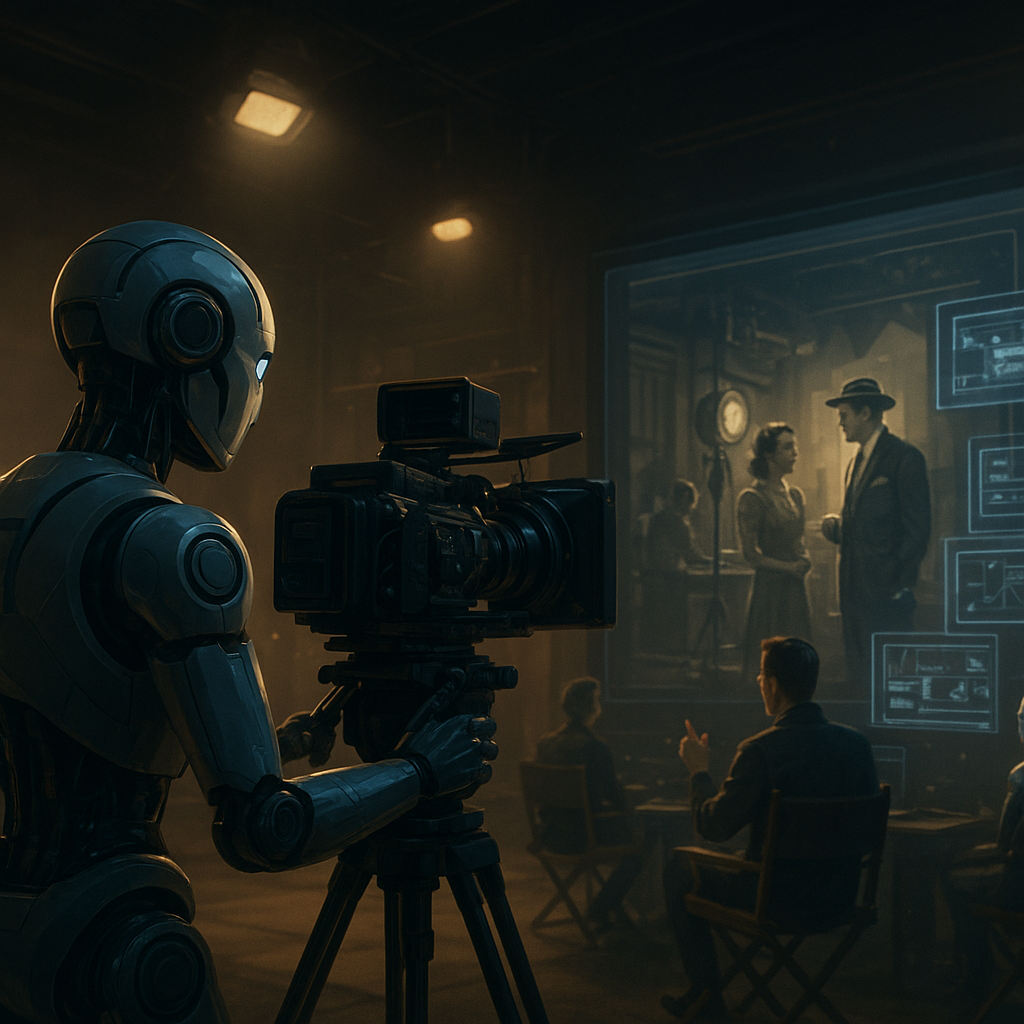
The Cinematic Shift: A New Era Opens with a Single Frame
In 2026, the movie industry stands at a crossroads unlike any before. Picture this: a film that took less than two months to produce, partially created by artificial intelligence, streamed globally to tens of millions within hours of release. This scenario, once unthinkable, is becoming increasingly commonplace. The traditional Hollywood studio system, long the gatekeeper of cinematic art, is contending with a tidal wave powered by streaming giants and AI technologies. The way movies are made, distributed, and consumed is undergoing a profound transformation, reshaping storytelling and industry economics.
Stats from industry trackers reveal that in 2025, over 70% of global movie revenues came from streaming platforms rather than theatrical releases, a milestone signaling the new dominant distribution channel. The pandemic era accelerated this shift, but the underlying technological and consumer behavior changes have solidified it. As a result, filmmakers, studios, and audiences alike are adapting to a landscape where immediacy, personalization, and innovation are paramount.
“The future of cinema isn’t just about the big screen anymore; it’s about how technology democratizes storytelling and connects to audiences in real time,” says Helena Marquez, a leading producer at a top streaming studio.
Tracing the Roots: From Silver Screens to Screens of All Sizes
Understanding today’s movie industry upheaval requires revisiting the past century of cinematic evolution. The golden age of Hollywood established the studio system as the dominant force, producing grand spectacles for theatrical release. For decades, movie theaters were the cultural epicenter of film consumption, and box office numbers dictated success.
However, the advent of home video in the 1980s began to chip away at this dominance, followed by DVDs in the 1990s and early 2000s. The real game-changer came with broadband internet and smartphones, enabling streaming services to flourish. Netflix, Amazon Prime, Disney+, and others pioneered direct-to-consumer models, bypassing traditional distribution bottlenecks.
Simultaneously, digital filmmaking tools became more affordable and sophisticated. Independent filmmakers gained access to technology that was once exclusive to big studios. This democratization has led to a surge in diverse voices and experimental formats. The industry also saw the rise of franchise blockbusters engineered for theatrical spectacles and streaming originals designed for binge-watching culture, creating a bifurcated ecosystem.
“Cinema’s history is a story of adaptation. Today, we’re just witnessing the latest chapter where content meets cutting-edge tech,” notes film historian Dr. Marcus Li.
Data-Driven Disruption: AI and Streaming Redefining Production and Distribution
The core engines driving the movie revolution in 2026 are the rise of streaming platforms and the integration of artificial intelligence in film production. These forces have created new paradigms in how movies are conceived, produced, marketed, and consumed.
Streaming platforms now control an estimated 65% of global film content expenditure, according to recent industry reports. This financial muscle allows them to fund diverse projects ranging from blockbuster franchises to niche genre films. Their direct access to audience data enables precise targeting and personalized recommendations, significantly increasing viewer engagement and retention.
On the production side, AI technologies have moved beyond simple editing assistance to more complex roles like script analysis, casting suggestions, and even generating visual effects or supplementary content. Machine learning algorithms analyze vast datasets of audience preferences and box office trends to guide creative decisions, reducing financial risks.
Here are key ways AI and streaming reshape the industry:
- Automated Scriptwriting: Tools help writers by generating dialogue, plot outlines, or alternative endings, accelerating development cycles.
- Virtual Production: Real-time rendering and AI-driven visual effects allow more immersive and cost-effective filmmaking, as seen in recent major productions.
- Personalized Content Delivery: Streaming platforms tailor movie selections and trailers based on individual viewer behavior, enhancing user satisfaction.
- Dynamic Marketing: AI-driven campaigns optimize ad spend by predicting which segments are most likely to convert into viewers.
- Global Reach and Diversity: Streaming services leverage AI for translation and localization, enabling films to resonate with audiences worldwide.
These innovations are causing a fundamental shift in risk management and creative experimentation. Studios and streaming platforms increasingly collaborate with tech companies to harness AI’s potential, creating hybrid models of filmmaking.
2026 Snapshot: What’s New and Next in Movies
The current year has seen several milestones that underscore the ongoing transformation. First, the box office rebound has been uneven globally. While some markets like China and parts of Europe have returned to near pre-pandemic attendance, North American theaters still capture less than 60% of their 2019 revenue. Streaming services have capitalized on this by investing heavily in exclusive content premieres.
In April 2026, the release of "Eclipse Protocol," a sci-fi thriller co-produced by a major streaming platform and a Silicon Valley AI firm, exemplified new industry trends. The film integrated AI-generated scenes that adapted in real-time to viewer feedback during its premiere week, an unprecedented experiment in interactive storytelling. This release sparked intense discussions about the future role of AI as a creative partner rather than just a tool.
Moreover, genre experimentation has flourished. Horror and sci-fi films designed for virtual reality and augmented reality experiences are gaining traction. These immersive formats invite viewers to step inside narratives, blurring traditional boundaries between audience and story.
Financially, the global film market is projected to reach over $220 billion by the end of 2026, with streaming accounting for nearly 75% of revenues, according to industry forecasts. This shift is prompting legacy studios to reevaluate their strategies, often resulting in mergers, acquisitions, or strategic partnerships with technology firms.
For a broader perspective on these trends, readers can explore Movies in 2026: Evolution, Trends, and the Future of Cinema and The Cinematic Renaissance: How Movies Are Transforming Storytelling and Industry Dynamics.
Voices from the Frontlines: Industry Experts Weigh In
Industry leaders and creatives are navigating this new terrain with a mix of enthusiasm and caution. The integration of AI into creative processes, while promising efficiency and innovation, raises questions about artistic integrity and employment.
Director Ava Chen, known for blending technology with storytelling, explains:
“AI is a powerful collaborator, not a replacement. It frees us from routine tasks and opens new avenues for creativity, but the human vision remains central.”
Meanwhile, executives from major studios emphasize the strategic necessity of embracing technology to stay competitive. Jonathan Meyers, CEO of a leading streaming company, states:
“Our investment in AI-driven analytics and production tools isn’t just about cost savings. It’s about delivering stories that resonate deeply in an increasingly fragmented market.”
At the same time, some filmmakers express concerns about over-reliance on data-driven formulas potentially homogenizing content. Balancing innovation with artistic risk-taking is a key tension shaping current industry debates.
Additionally, the rise of decentralized financing models, such as blockchain-based film funding and NFTs tied to movie assets, is gaining traction among independent creators, offering new ways to engage fans and monetize projects.
Looking Ahead: What Movie Enthusiasts and Industry Players Should Expect
The trajectory of movies through 2026 and beyond suggests a future where technology and creativity intertwine more deeply than ever. Here are essential takeaways for stakeholders:
- Hybrid Release Models Will Dominate: Simultaneous streaming and theatrical releases will become standard, offering consumers choice and maximizing revenue streams.
- AI as a Creative Partner: Expect more productions where AI influences casting, editing, and even narrative structure, enhancing but not replacing human input.
- Immersive Storytelling Expands: Augmented and virtual reality films will grow, creating participatory experiences that redefine audience engagement.
- Diversity and Inclusion Will Intensify: Streaming’s global reach enables stories from underrepresented communities to find wider audiences, reshaping cultural narratives.
- Data Privacy and Ethics Will be Central: With AI and personalized content comes scrutiny over data use, necessitating transparent policies and ethical standards.
For those interested in how movies influence broader cultural and commercial landscapes, TheOmniBuzz’s article How Movies Shape Culture and Commerce: What You Need to Know offers valuable insights.
In essence, the movie industry’s future will be defined by a synergy of human creativity and technological innovation, providing richer, more accessible entertainment experiences. Both creators and audiences stand to benefit from this evolving ecosystem, provided the balance between art and algorithm is carefully maintained.