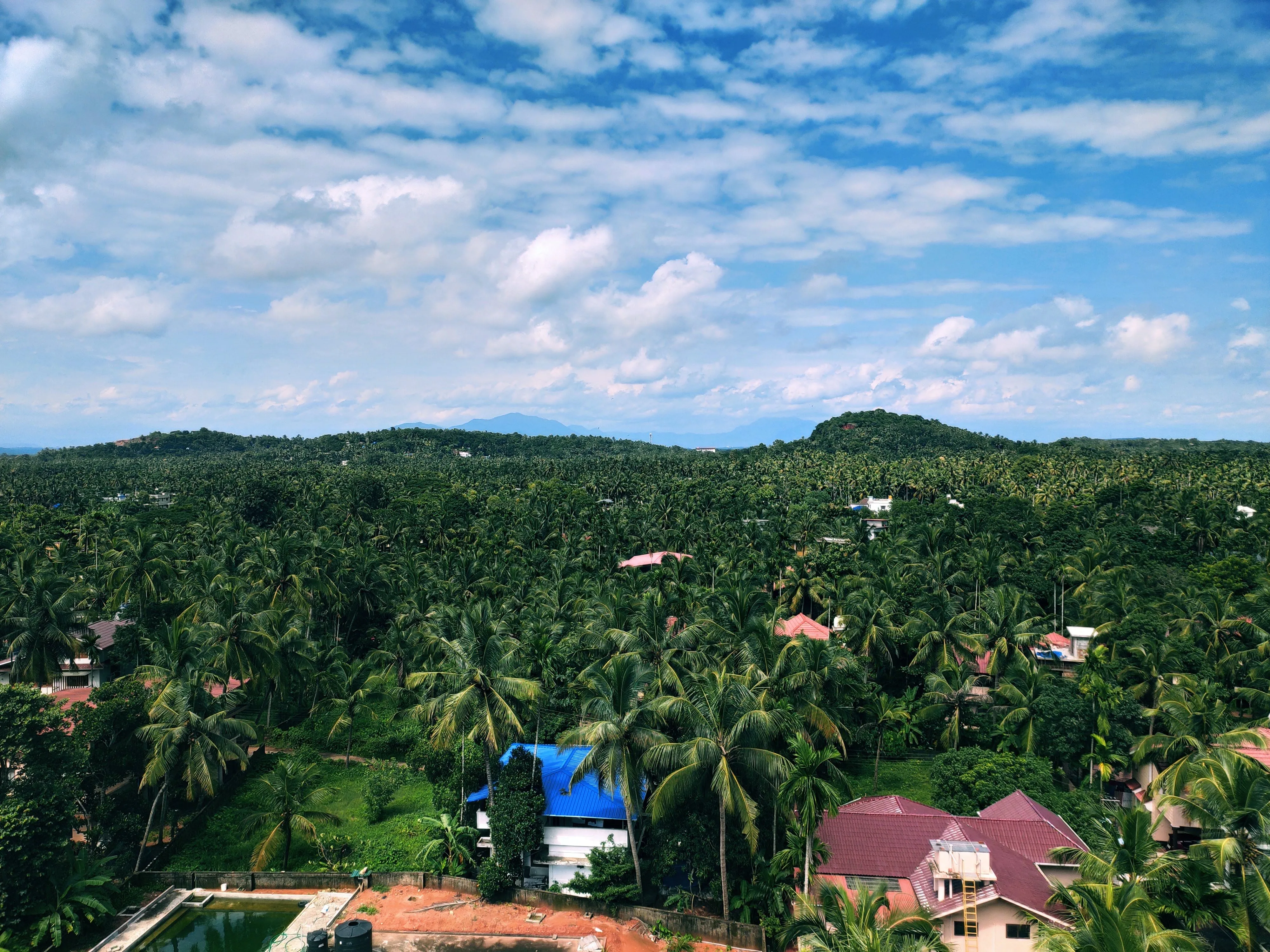
Planning a journey to India’s southwestern coast often starts with a single question: when should you actually go? Timing your trip well makes the difference between smoothly floating along quiet backwaters or sitting through torrential downpours with limited transport options. Booking a customized Kerala tour package at the right moment ensures you get the ideal balance of good weather, accommodation choices, and reasonable rates.
The Peak Season Shift: October to March
Winter brings cooler temperatures and low humidity, making late autumn through early spring the most popular time for travelers. Coastal areas stay comfortable, while hill stations like Munnar drop down to crisp evenings perfect for sightseeing.
Because demand spikes sharply during these months, resort prices tend to double, and popular houseboat routes along Alleppey get congested quickly. If you want to travel during this window, reserve your arrangements three to four months ahead. Waiting until the last minute usually leaves you with mid-tier accommodations at premium prices or inconvenient flight schedules into Kochi or Trivandrum.
Monsoon Magic: June to September
Southwest monsoons hit the coast in June, bringing continuous heavy rainfall that lasts through August. While beach activities shut down and watersports pause, monsoon season offers distinct advantages for specific travel styles.
- Ayurvedic Treatments: Traditional wellness retreats consider the monsoon optimal for treatments due to higher atmospheric humidity, which opens skin pores and accelerates recovery.
- Waterfall Views: Cascades like Athirappilly and Meenmutty run at maximum capacity, creating stunning views across the Western Ghats.
- Lower Costs: Stays drop their prices significantly, offering boutique heritage properties at a fraction of their peak rates.
A secondary monsoon, the North-East monsoon, brings brief afternoon showers in October and November, but it rarely disrupts full-day itineraries.
Shoulder Months: April and May
Spring brings rising temperatures, often reaching 35°C (95°F) along the coast. Humidity can make middle-of-the-day outdoor exploration challenging. However, if your focus is wildlife spotting or hill station retreats, this period works surprisingly well.
Wayanad, Vagamon, and Munnar remain considerably cooler than the plains. Periyar National Park experiences lower water levels, drawing elephants, gaurs, and native birds toward the shores of Periyar Lake, making boat safaris far more rewarding.
Practical Budgeting and Transport Logistics
Fixing your budget requires looking beyond initial resort rates. Transportation across the state adds up quickly depending on your route choice.
- Train Routes: The coastal railway offers scenic, inexpensive travel between major hubs like Ernakulam, Alleppey, and Varkala.
- Private Vehicles: Hiring a dedicated car and driver remains the standard choice for covering mountain routes to Munnar and Thekkady, where public buses run infrequently.
- Houseboat Booking Tip: Day cruises are often better value than overnight stays. Overnight boats anchor by 5:30 PM due to local fishing regulations, meaning you spend most of your time docked at the shoreline rather than cruising.
Realities of Local Festivities and Holidays
Travelers often overlook local calendar events when planning their trips. The festival season adds immense cultural value, but it impacts road travel and accommodation availability.
Thrissur Pooram, usually occurring in April or May, draws massive crowds, filling hotels for miles around. During Onam (August or September), state-wide celebrations feature traditional feast meals (Sadhya) and famous snake boat races in Aranmula and Punnamada. Transport fills fast, and main highways experience heavy delays. Checking the Malayalam calendar before finalizing dates helps you either join the celebrations intentionally or bypass the congestion entirely.
Common Planning Overlooks
First-time visitors often try to cram too much into a single week. Attempting to see Kovalam, Alleppey, Munnar, Wayanad, and Bekal in seven days means spending most of your holiday inside a vehicle on narrow, winding two-lane highways.
A realistic seven-day itinerary focuses on two main regions:
- Central Circuit: Fort Kochi, Munnar, Thekkady, and the Alleppey backwaters.
- Southern Coast: Trivandrum, Varkala cliff beaches, Kovalam, and Poovar island.
Giving each destination two nights lets you experience early morning mist in the tea plantations or late afternoon beach sunsets without rushing to meet your driver.
Final Thoughts on Timing Your Trip
Picking the right season comes down to what you expect from your time off. Peak winter days give you clear skies and easy sightseeing, while monsoon months deliver quiet greenery and solitude at better rates. Map out your non-negotiables—whether that means mountain hiking, beach relaxation, or wellness retreats—and align your booking window accordingly. Safe travels!