The Electric Surge: A New Dawn for Automotive Mobility
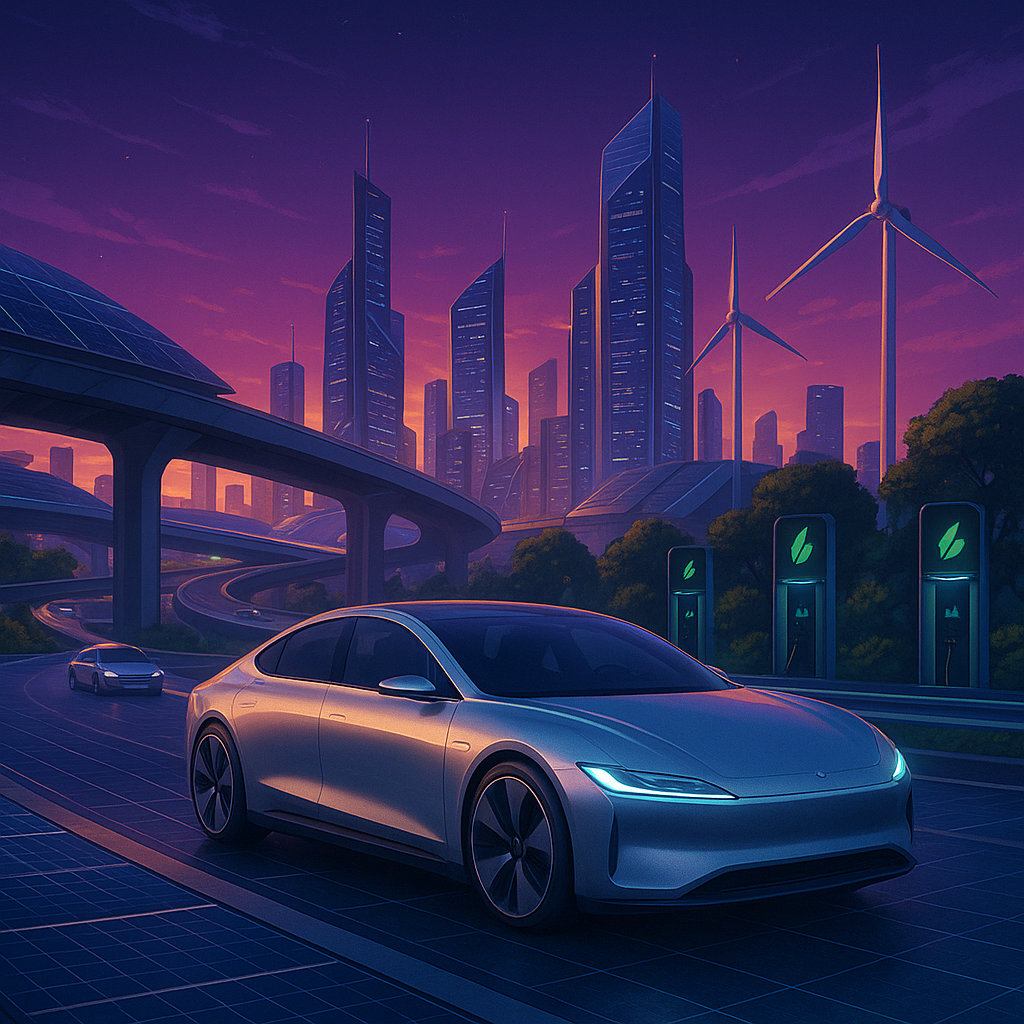
In the midst of a global energy crisis ignited by persistent oil shocks, the automotive world in 2026 is undergoing a profound transformation. Cities once choked by smog and fossil fuel emissions are witnessing an unprecedented shift towards electric vehicles (EVs), catalyzed by both environmental urgency and technological breakthroughs. The streets of international metropolises now teem with sleek EV models from established manufacturers and innovative startups alike, signaling not just a trend but a tectonic shift in transportation paradigms.
Notably, the resurgence of electric cars following the oil shock of 2026 has reignited public and investor interest. This resurgence, detailed in our previous coverage Oil Shock Sparks Electric Cars’ Swift Resurgence in 2026, highlights how fluctuating oil markets have accelerated consumer adoption of electric mobility solutions. The intersection of geopolitical instability and climate change awareness has created fertile ground for EVs to thrive, challenging legacy automotive frameworks and infrastructure.
"The oil shock was a wake-up call that accelerated the inevitable transition to electric vehicles, forcing automakers to rethink product strategies and governments to rethink infrastructure investments," says Dr. Helena Mertz, an automotive analyst with GreenTech Insights.
From Combustion Engines to Electric Revolutions: A Historical Perspective
The evolution of cars from internal combustion engines (ICE) to electric propulsion is not a sudden phenomenon but the culmination of over a century of innovation and societal change. The early 20th century saw gasoline-powered vehicles dominate due to their range and fueling convenience. However, environmental concerns and technological advances in battery chemistry gradually paved the way for electric alternatives.
Early attempts at electrification faced limitations due to battery weight, cost, and charging infrastructure. The breakthrough came with the lithium-ion battery revolution in the 2010s and 2020s, which dramatically improved energy density and charging times. Governments worldwide introduced aggressive emissions regulations and subsidies, incentivizing EV adoption.
Industry giants like Tesla set benchmarks for performance and consumer appeal, while traditional automakers such as Volkswagen, Toyota, and General Motors pivoted aggressively towards electrification to retain relevance. This history contextualizes today’s automotive landscape, where electric cars are no longer niche but mainstream.
Key Data and Trends Defining 2026’s Automotive Market
The data underpinning 2026’s automotive market reveals compelling insights into the ongoing transition. According to industry estimates, EVs now represent over 45% of new vehicle sales globally, a figure that has nearly doubled since 2023. China remains the largest EV market, accounting for 50% of global sales, followed by Europe and North America.
Battery costs have dropped below $80 per kWh, enabling more affordable EV models across various segments. Charging infrastructure has expanded rapidly, with over 2.5 million public charging points worldwide, supported by smart grids integrating renewable energy sources.
- Global EV Sales Growth: CAGR of 30% from 2023 to 2026
- Average EV Range: Increased to 400 miles per charge
- Charging Speed: Ultra-fast chargers now delivering 80% charge in under 15 minutes
- Market Share: EVs surpassing 45% of new vehicle registrations globally
Meanwhile, the traditional ICE market is contracting, with many countries announcing bans on new fossil fuel vehicle sales by 2030. The rise of electric SUVs and pickup trucks, segments previously dominated by gasoline models, indicates growing consumer acceptance of electric utility vehicles.
Automotive strategist Carlos Ramirez notes, "The convergence of improved battery tech, infrastructure, and regulatory support has created a tipping point for electric cars. The market now demands not just sustainability but performance and convenience on par with combustion vehicles."
2026 Developments: Innovations and Industry Shifts
The automotive industry in 2026 is marked by rapid innovation and strategic realignments. Advances in solid-state batteries promise even greater energy density and safety, with commercial models anticipated by late 2027. Companies are also investing heavily in vehicle-to-grid (V2G) technology, allowing EVs to support grid stability by feeding power back during peak demand.
Autonomous driving capabilities continue to mature, with Level 3 and Level 4 autonomous functions becoming standard in many mid-to-high-end vehicles. These features enhance safety and convenience, contributing to broader shifts in urban mobility patterns.
Supply chain resilience remains a critical focus. The semiconductor shortage of recent years has eased, but raw material sourcing for batteries—especially lithium, cobalt, and nickel—faces environmental and geopolitical challenges. This has spurred investments in recycling technologies and alternative chemistries.
- Solid-State Battery Commercialization: Expected market entry by 2027
- Vehicle-to-Grid Integration: Pilot programs in North America and Europe
- Autonomous Driving Features: Increasing adoption of Level 3 and 4 vehicles
- Supply Chain Initiatives: Focus on sustainable and ethical raw material sourcing
Notably, our recent analysis Cars in 2026: Innovations, Industry Shifts, and Future Roadmaps elaborates on how these developments are reshaping competitive dynamics and consumer expectations in the automotive sector.
Expert Insights and Industry Impact
Industry experts highlight how the rapid electrification trend is redefining traditional automotive ecosystems. Legacy automakers are transforming into software-driven mobility providers, emphasizing digital user experiences, connected services, and sustainable supply chains.
Environmental groups praise the decline of fossil fuel vehicles but caution against complacency. The entire lifecycle emissions of EVs, including battery production and recycling, must be managed to ensure genuine sustainability gains. Governments are responding with stricter regulations and incentives targeting circular economy principles.
Insurance and financing models are adapting to new risk profiles associated with electric and autonomous vehicles. Additionally, urban planners are integrating EV charging infrastructure into smart city designs, anticipating significant shifts in traffic patterns and energy demand.
Elena Fischer, a mobility policy expert, emphasizes, "The transition to electric cars is not just a technological shift but a systemic change involving policies, consumer behavior, and urban infrastructure. Collaboration across sectors is essential for a sustainable future."
What Lies Ahead: Future Outlook and Strategic Takeaways
Looking beyond 2026, the trajectory of electric cars suggests continued acceleration. Experts forecast EVs will exceed 70% of new car sales globally by 2030, driven by improving technology, cost parity with ICE vehicles, and expanding charging networks.
However, challenges remain. Grid capacity must be upgraded to accommodate rising electricity demand, as outlined in our related coverage Electric Cars Are Booming — But the Grid Isn't Ready. Policy frameworks need to evolve to support sustainable raw material supply and recycling. Consumer education and equitable access to charging infrastructure will be vital to ensure inclusive adoption.
- EV Market Penetration: Targeting 70%+ new sales by 2030
- Grid Modernization: Smart grids and renewable integration critical
- Material Sustainability: Emphasis on recycling and ethical sourcing
- Urban Planning: Integration of EV infrastructure into city designs
For automakers, the imperative is clear: innovate rapidly, embrace sustainability, and deliver seamless user experiences. For consumers, the benefits include lower operational costs, reduced emissions, and access to advanced mobility technologies. The road ahead is complex but promising, as electric cars reshape how we think about transportation and environmental stewardship.
Summarizing the outlook, industry veteran Mark Chen states, "Electric cars are no longer an alternative; they are becoming the backbone of future mobility. The pace of change demands agility and vision from all stakeholders."