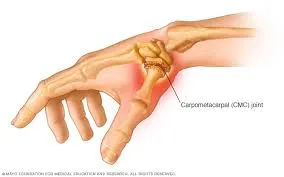
Carpal tunnel syndrome occurs when the median nerve, which runs through a narrow passage in the wrist, becomes compressed. This can cause numbness, tingling, pain and weakness in the hand, affecting everyday activities such as typing, driving, holding objects and sleeping comfortably. While mild symptoms may improve with non-surgical treatments, persistent or severe symptoms may require further medical evaluation.
Understanding when Carpal tunnel release surgery may be necessary can help you make an informed decision about your treatment options and protect your long-term hand function.
What Are the Common Symptoms of Carpal Tunnel Syndrome?
Symptoms often develop gradually and may become more noticeable over time. They typically affect the thumb, index finger, middle finger and part of the ring finger.
Common warning signs include:
- Numbness or tingling in the fingers, particularly at night.
- Pain that travels from the wrist towards the hand or forearm.
- Weak grip strength or difficulty holding small objects.
- Frequently dropping items due to reduced sensation.
- Difficulty with activities requiring precise finger movements.
- Persistent symptoms that interfere with sleep or daily routines.
If these symptoms continue or become progressively worse, consult a qualified healthcare professional. Early assessment can help determine the severity of nerve compression and whether treatment is needed.
When Is Surgery Necessary?
Surgery may be recommended when symptoms do not improve with conservative treatment or when there is evidence of significant nerve compression. Treatment decisions depend on symptom severity, examination findings and the effect on everyday activities.
Your healthcare provider may consider surgery if wrist splints, activity modifications, medication or other recommended treatments have not provided sufficient relief. Persistent numbness, worsening weakness and muscle wasting near the base of the thumb can indicate more advanced nerve compression.
In these circumstances, Carpal tunnel release surgery may be considered to reduce pressure on the median nerve and help prevent further nerve damage. A clinician may recommend nerve conduction studies or other assessments to evaluate the condition.
It is important not to delay medical evaluation if you experience increasing weakness or constant numbness, as prolonged nerve compression can limit recovery.
How Does Carpal Tunnel Release Surgery Work?
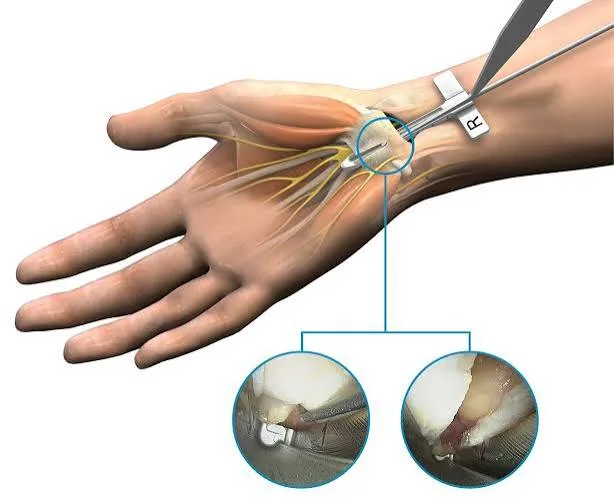
The procedure aims to create more space for the median nerve by cutting the transverse carpal ligament, which forms part of the roof of the carpal tunnel. Relieving this pressure may improve symptoms and hand function.
There are two common surgical approaches:
Open Surgery
The surgeon makes a small incision in the palm near the wrist to access and divide the ligament. This allows direct visual access to the affected area.
Endoscopic Surgery
The surgeon makes one or two small incisions and uses a thin instrument with a camera to view the area and divide the ligament.
Both techniques aim to relieve pressure on the median nerve. The most appropriate approach depends on your condition, medical history and the surgeon's assessment. The procedure is commonly performed on an outpatient basis, although arrangements may vary.
As with any surgery, potential risks include infection, bleeding, scar tenderness, stiffness and nerve injury. Your surgeon can explain the benefits and risks relevant to your situation.
What Is Recovery Like After Surgery?
Recovery varies depending on the severity of nerve compression, the surgical technique and your overall health. Many patients can begin gentle finger movements soon after surgery, following their surgeon's instructions.
The First Few Days
Some soreness, swelling and tenderness around the incision are expected. Keeping your hand elevated and following wound-care instructions can help manage these symptoms. Avoid heavy lifting and forceful gripping.
The First Few Weeks
Light activities may gradually become easier as the incision heals. Your healthcare provider will advise you when to resume typing, driving, work and other everyday tasks. Hand exercises or therapy may be recommended to maintain movement and rebuild function.
Long-Term Recovery
Tingling and nighttime symptoms may improve relatively early, but sensation, grip strength and muscle function can take weeks or months to recover. People with longstanding or severe nerve compression may experience incomplete improvement.
Follow-up appointments help monitor healing and identify any complications. Contact your healthcare provider if you develop increasing redness, discharge, severe pain or unexpected swelling.
Can You Avoid Surgery?
Not everyone with carpal tunnel syndrome needs an operation. Depending on the severity of symptoms, non-surgical options may include wearing a wrist splint at night, modifying repetitive activities and receiving clinician-recommended treatment.
These measures may help manage mild or moderate symptoms, but they may not be sufficient when nerve compression is severe or progressive. A professional assessment can help determine whether conservative care remains appropriate or whether surgery should be considered.
Conclusion
Carpal tunnel syndrome can interfere with sleep, work and everyday hand movements. Persistent numbness, worsening weakness or symptoms that do not respond to conservative treatment are important reasons to seek medical evaluation.
Carpal tunnel release surgery can relieve pressure on the median nerve, but the right treatment depends on your symptoms and individual circumstances. Understanding the procedure, potential risks and recovery expectations can help you approach treatment with greater confidence.
Take the Next Step Towards Better Hand Function
If wrist pain, tingling or numbness is affecting your daily activities, consider seeking a professional evaluation to understand your treatment options. Peak Rejuvenation offers a starting point for exploring care related to your health and wellness needs. Contact the team to discuss your concerns and determine whether its available services are appropriate for your situation.
Early assessment can help you understand the cause of your symptoms and make informed decisions about the next steps in your care.