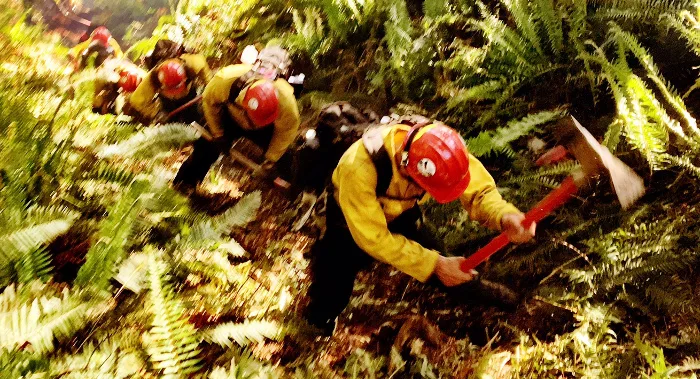
Wildland firefighting in the United States presents challenges unlike those found in many other parts of the world. Crews may move from dense timber to open grasslands in a single shift, work steep mountain slopes, or support prescribed burns that protect communities long before wildfire season begins. Those realities have shaped the evolution of fire suppression tools, making durability, versatility, and dependable field performance far more important than appearance or novelty.
Time spent learning from firefighters, prescribed burn practitioners, and land managers revealed a consistent theme. The most respected forest fire suppression equipment is rarely judged by marketing claims. It earns confidence by performing reliably through demanding conditions, year after year, while adapting to the wide variety of landscapes found across the United States.
American Wildfire Conditions Demand Different Tools
No two wildfire environments are exactly alike. Firefighters in California may work through chaparral and oak woodlands, while crews in the Pacific Northwest navigate dense forests and heavy ground fuels. Across the Great Plains, fast-moving grass fires create an entirely different set of operational challenges.
These changing conditions explain why American forest fire fighting tools have evolved with an emphasis on adaptability. Equipment that performs well in only one environment has limited value when wildfire response often requires crews to transition quickly between different fuel types, terrain, and suppression tactics.
Professionals often point out that versatility is not simply a convenience. It becomes a practical advantage when every pound carried and every minute spent on the fireline matters.
Field Experience Shapes Better Equipment
Catalog descriptions can explain dimensions, materials, and specifications, but they cannot fully describe how equipment feels after an entire day on the fireline.
Experienced firefighters evaluate tools differently. Balance matters because it reduces fatigue. Ergonomic designs improve control during repetitive work. Durable construction helps equipment remain dependable after repeated exposure to dirt, rocks, heat, and changing weather.
Experiences like this reveal a broader industry pattern. The most trusted equipment is usually shaped by continuous feedback from the people who rely on it rather than short-term market trends.
That practical approach has influenced generations of American wildfire tool development.
Modern Wildfire Work Extends Beyond Fire Suppression
Many people associate wildfire equipment only with emergency response. Today's reality is much broader.
Modern forest fire suppression equipment supports a wide range of land management activities, including:
- Prescribed burning
- Hazardous fuel reduction
- Defensible space projects
- Habitat restoration
- Vegetation management
- Mop-up operations
This expanded role has changed expectations for equipment. Firefighters and land managers increasingly prefer tools capable of supporting multiple assignments without compromising durability or ease of use.
Viewed from a broader perspective, wildfire equipment has evolved alongside wildfire management itself. Prevention and landscape resilience now receive just as much attention as suppression.
Long-Term Reliability Builds Operational Confidence
Initial purchase price naturally receives attention during procurement, yet experienced organizations often evaluate equipment through a different lens.
Reliable tools remain in service longer, require fewer replacements, and contribute to more predictable maintenance budgets. Those advantages become increasingly valuable for agencies, contractors, and property owners responsible for preparing for multiple wildfire seasons.
Many assume stronger equipment simply means using heavier materials. In practice, thoughtful engineering often delivers greater value by balancing strength, portability, and operator comfort.
Professionals notice those differences quickly because small design improvements accumulate over hundreds of hours in the field.
The Next Generation of Wildland Fire Tools
Wildfire seasons continue growing longer across much of the United States. At the same time, prescribed burning, fuel reduction, and community protection programs continue expanding.
These changes are influencing the next generation of fire suppression tools. Designers are placing greater emphasis on modular systems, replaceable wear components, improved ergonomics, and equipment capable of serving multiple operational roles.
Over time, one trend has become increasingly clear. Innovation in wildfire equipment is becoming less about adding complexity and more about solving practical problems that firefighters encounter every day.
Built Around the Realities of the American Fireline
Looking across today's wildfire landscape, one conclusion stands out. American wildland fire tools have evolved in response to uniquely demanding environments, diverse ecosystems, and decades of operational experience. Their development reflects the practical needs of firefighters working in conditions where reliability, efficiency, and adaptability directly influence performance.
The best forest fire fighting tools are not defined by impressive specifications alone. They are shaped by the realities of the American fireline, where equipment must perform consistently across changing terrain, varied fuel types, and long operational periods. That practical foundation continues to guide the evolution of wildfire tools as the challenges facing firefighters continue to change.