
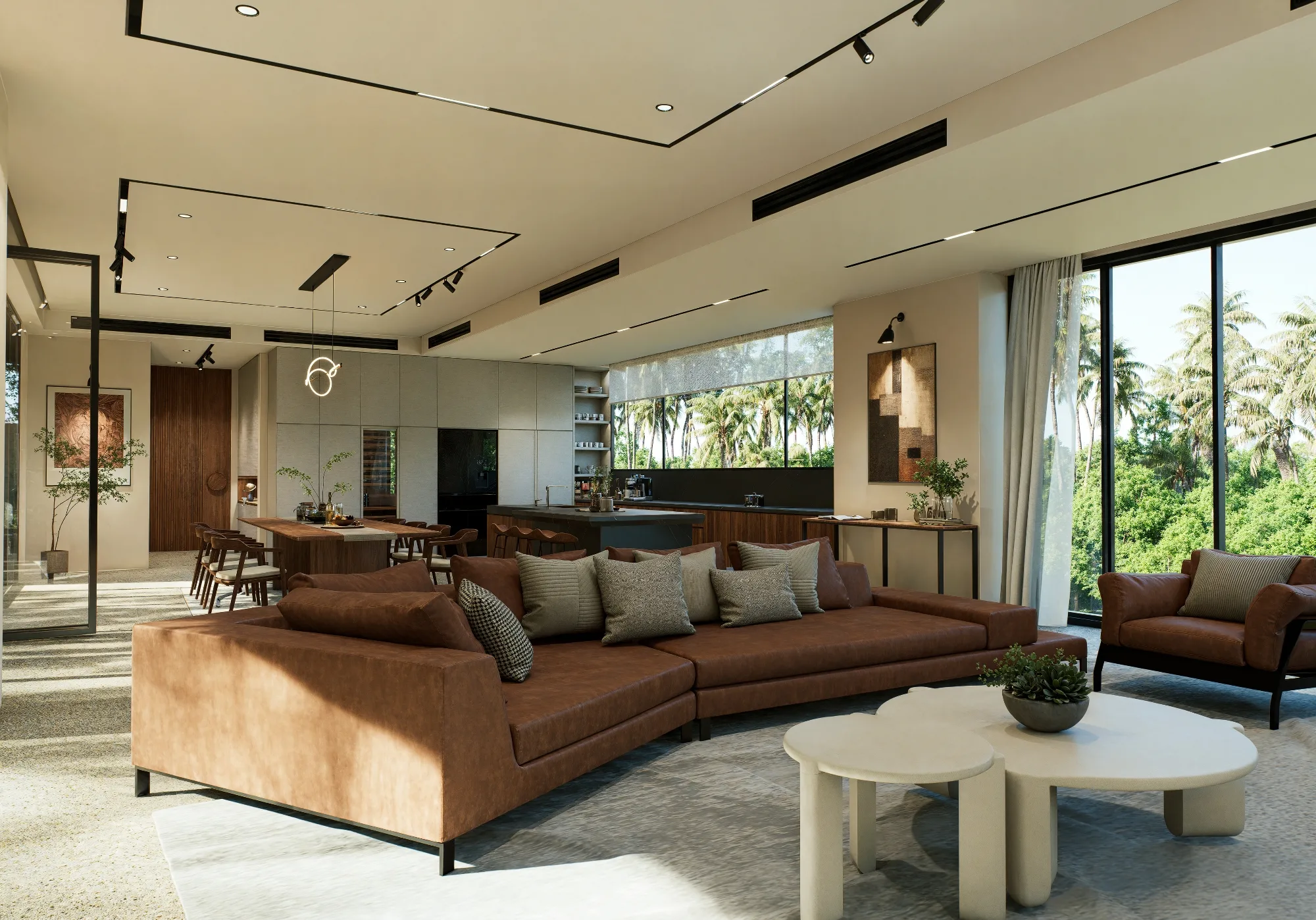
A property's appeal depends on more than its location, floor area or view. The way its rooms are arranged, the quality of its finishes and the ease with which people can use the space all influence how the property is experienced.
In Dubai's diverse residential market, homeowners and property investors increasingly need to think carefully about how interiors support everyday living. A well-planned apartment can feel more spacious without changing its footprint, while a villa can become more practical through improved storage, lighting and room layouts.
An interior design company in Dubai can help identify these opportunities and develop a design plan that suits the property's purpose, whether it is intended for personal use, long-term rental or resale.
Space Planning Makes a Difference
One of the most useful ways to improve a property is to reconsider how its available space is used. A large room does not automatically feel comfortable, and a small apartment does not have to feel cramped.
Furniture that is too large can obstruct movement, while poorly positioned lighting may leave important areas dark. Limited storage can also make an otherwise attractive home appear cluttered.
Thoughtful space planning addresses these problems before decorative choices are made. Designers consider circulation routes, furniture proportions, natural light and the relationship between adjoining rooms.
In a compact apartment, a carefully planned dining area or a wall of integrated storage may provide more practical value than adding unnecessary decorative features. In a villa, the arrangement of formal and family living areas can help accommodate different activities without creating conflicts between them.
These decisions improve how the property functions while creating a more coherent visual appearance.
Choose Materials for Long-Term Use
Materials contribute significantly to the character and maintenance needs of an interior. However, the most expensive option is not always the most appropriate.
Natural stone can provide a distinctive finish, while quality porcelain tiles may offer a practical alternative in areas that experience frequent use. Timber brings warmth, but the correct finish and maintenance routine depend on where it is installed.
Upholstery, cabinetry hardware, kitchen surfaces and bathroom fittings also deserve attention. Products should be selected according to the room's conditions, expected wear and available maintenance budget.
For rental properties, durability and ease of replacement may be especially important. For a family home, comfort and personal preference may carry greater weight.
The objective is to create a balanced specification that supports the property's intended use rather than spending heavily on finishes that do not improve the experience.
Lighting Can Change How a Room Feels
Lighting is often treated as a final decorative decision, but it should be considered early in the design process.
A successful lighting plan combines general illumination with task lighting and selected accent features. In a kitchen, work surfaces need suitable lighting for everyday preparation. In a living room, layered sources can support reading, entertaining and relaxed evenings.
Natural light matters too. Window treatments, furniture placement and reflective surfaces influence how daylight moves through a room. In Dubai, where sunlight can be strong, the design should consider glare, privacy and the way different materials respond to changing light.
Well-planned lighting can make a room feel more comfortable and help architectural details, artwork and furniture appear more balanced.
Personalisation Without Overdesign
A property should have a clear identity, but excessive decoration can make a space less flexible. This is particularly relevant when owners want their interiors to appeal to different people or accommodate changing needs.
Neutral foundations, considered colour accents and well-proportioned furniture can create a strong visual direction without making every element compete for attention.
Amanda D’souza, Founder and Principal Designer of Euphoria Interiors, approaches design by understanding the people who will use a space and the role each room plays in their lives. This client-focused process allows the design to reflect personal preferences while keeping functionality in view.
For homeowners, personalisation might mean incorporating artwork collected during travel, planning a dedicated majlis or creating a reading corner. For an investment property, it may mean choosing a restrained palette and durable finishes that suit the intended tenant profile.
The best decisions depend on the property's purpose and the people it needs to serve.
Why Professional Planning Matters
Interior design involves several connected decisions. Furniture dimensions affect circulation, lighting positions influence ceiling details, and joinery measurements depend on the final layout and selected appliances.
When these decisions are made separately, the result can be expensive adjustments during execution. Professional planning helps coordinate them before work begins.
A design proposal may include layout drawings, material selections, visualisations and specifications, depending on the agreed service. These documents give homeowners and contractors a shared reference for understanding the intended outcome.
Before appointing a studio, review its completed projects, discuss the proposed scope and ask how changes will be managed. It is also important to clarify which services are included in the fee and which costs will be charged separately.
For those comparing potential providers, Euphoria Interiors' guide to the top interior design companies in Dubai offers a useful starting point for researching firms and considering their respective strengths.
Consider the Property's Future
A design that works today should also allow for reasonable changes in the future. A guest bedroom might eventually become a home office, while a growing family may need additional storage or a more flexible living arrangement.
Adaptable furniture, well-positioned electrical outlets and sensible storage planning can make these transitions easier. Selecting durable materials and avoiding unnecessary structural changes may also help control future maintenance and renovation requirements.
For investment properties, owners should consider the expectations of their target occupants rather than assuming that every luxury feature will deliver a financial return. Design improvements can support presentation and usability, but property value and rental performance also depend on location, market conditions, building quality and demand.
A clear understanding of these factors helps keep design decisions realistic.
Value Comes From Better Decisions
Thoughtful interior design can improve the way a property looks, feels and functions. Its greatest contribution often comes from a series of practical decisions rather than one dramatic feature.
A more efficient layout, comfortable lighting, durable materials and carefully selected furniture can make everyday life easier while giving the property a coherent identity.
For Dubai homeowners and property investors, working with a suitable interior design company in Dubai can help turn these considerations into a structured plan. By starting with the property's purpose and making informed choices, it becomes easier to create interiors that remain useful and appealing over time.
Euphoria Interiors is a Dubai-based design studio led by Amanda D’souza, Founder and Principal Designer. The studio creates residential and commercial interiors with an emphasis on thoughtful planning, client requirements and practical design decisions.