
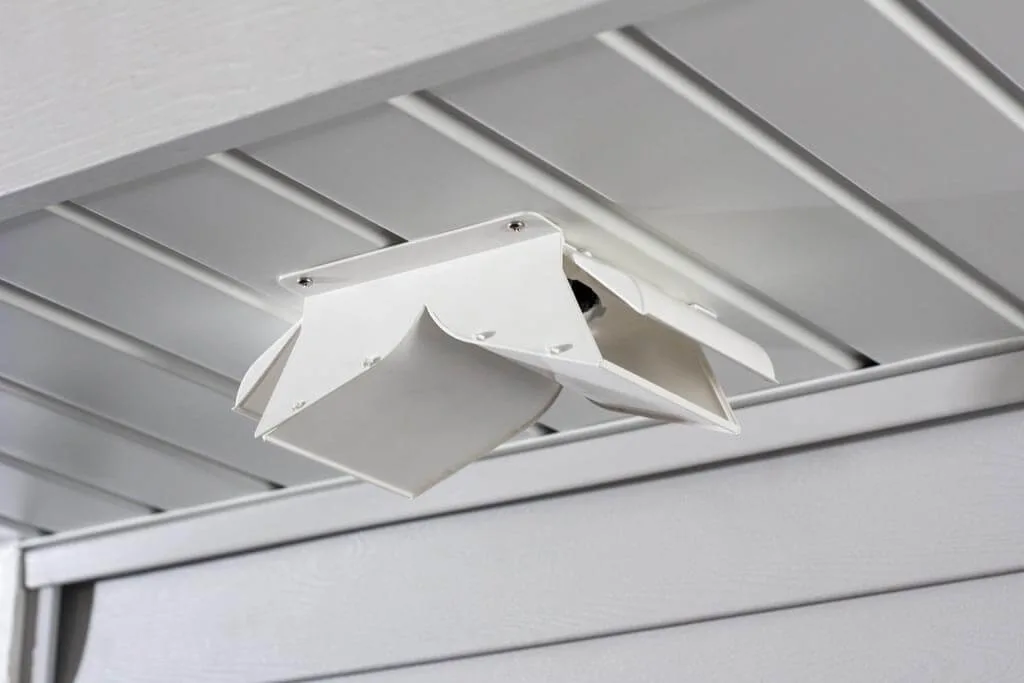
Your home depends on good airflow in many places, even in areas you rarely think about. One of those overlooked parts is the soffit vent cover. It may seem like a simple piece attached beneath the roof overhang, but it plays an important role in keeping your attic healthy, your home comfortable, and unwanted pests outside.
Many homeowners focus on roofing, insulation, or air conditioning while ignoring ventilation. That is a bit like buying an expensive car but forgetting to change the oil. Every part works together, and when one small component fails, the whole system can suffer.
Whether you are building a new home, replacing damaged vents, or simply learning about home maintenance, understanding how soffit vent covers work can help you make smarter decisions. In this guide, you'll discover why they matter, the different types available, how to choose the right one, common mistakes to avoid, and simple maintenance tips that can extend the life of your home's ventilation system.
What Is a soffit vent cover?
A soffit vent cover is a protective panel installed underneath the roof's overhang, known as the soffit. These covers allow fresh outside air to enter the attic while blocking insects, birds, rodents, leaves, and other debris.
Think of your attic like your lungs. Fresh air needs to flow in while stale, warm air flows out. Without that exchange, moisture and heat build up, creating problems that can spread throughout your home.
The vent cover acts like a screen on a window. You still get airflow, but unwanted visitors stay outside where they belong.
Why Proper Attic Ventilation Matters
Attics naturally become warmer than the rest of the home because heat rises. During summer, temperatures can climb dramatically, while winter can create moisture from indoor air that escapes upward.
Without proper ventilation, several problems may develop.
Excess Heat
Heat trapped in the attic can make your cooling system work much harder. Your air conditioner may run longer, increasing energy costs.
Moisture Problems
Warm, moist air can condense when it meets cooler surfaces. Over time, this moisture encourages mold growth, wood rot, and damaged insulation.
Roof Damage
Constant heat and moisture can shorten the lifespan of roofing materials. Even quality shingles can wear out faster if ventilation is poor.
Poor Indoor Comfort
A poorly ventilated attic can make upper floors feel hotter and less comfortable during warm weather.
How Soffit Vent Covers Work
The system is surprisingly simple.
Fresh outdoor air enters through the soffit vents located under the roof edge. As warm air rises inside the attic, it naturally moves upward and exits through roof vents or ridge vents.
This creates continuous airflow without requiring fans in many homes.
Imagine opening two windows on opposite sides of a room. Air naturally moves through the space, keeping it fresher. Your attic works in much the same way.
The vent cover ensures that air keeps moving while preventing dirt, insects, and nesting animals from entering.
Different Types of Soffit Vent Covers
Not every home uses the same design. Several options are available depending on the construction style and ventilation needs.
Continuous Soffit Vents
These run along long sections of the roof edge.
Advantages include:
- Even airflow across the attic
- Modern appearance
- Efficient ventilation
- Suitable for larger homes
Individual Vent Panels
These are separate vent pieces installed at intervals.
Benefits include:
- Easier replacement
- Lower initial cost
- Good for smaller projects
- Simple installation
Round Soffit Vents
Round vents are commonly used when adding ventilation to existing soffits.
Homeowners often choose them because they:
- Fit into drilled openings
- Install quickly
- Blend well with many soffit materials
Rectangular Vents
These provide larger airflow through fewer openings.
They are commonly selected during remodeling projects or new construction.
Common Materials Used
The material affects durability, appearance, and maintenance.
Aluminum
Aluminum remains one of the most popular choices because it:
- Resists rust
- Lasts many years
- Handles changing weather well
- Requires little maintenance
Plastic
Plastic covers are affordable and lightweight.
Advantages include:
- Easy installation
- Corrosion resistance
- Budget-friendly pricing
- Variety of colors
Steel
Steel offers excellent strength but usually includes protective coatings to prevent rust.
It works well in areas where durability is especially important.
Signs Your Soffit Vent Covers Need Attention
Like any exterior component, vent covers eventually wear out.
Watch for these warning signs.
Visible Cracks
Damaged covers allow insects and debris to enter.
Rust
Metal vents showing corrosion may eventually weaken.
Loose Panels
Movement during storms can loosen fasteners.
Bird or Insect Activity
If birds or insects frequently gather near vents, the protective screen may be damaged.
Dirt Blocking Openings
Heavy dust, leaves, or spider webs can reduce airflow.
Benefits of Installing Quality Vent Covers
A good vent cover does much more than simply cover an opening.
Better Airflow
Proper ventilation helps regulate attic temperature throughout the year.
Lower Energy Costs
When the attic stays cooler, your cooling system doesn't need to work as hard.
Longer Roof Life
Reducing trapped heat helps roofing materials last longer.
Less Moisture
Good airflow removes humid air before it creates condensation.
Improved Indoor Comfort
Balanced attic temperatures help keep living spaces more comfortable.
Pest Protection
Small screens prevent birds, insects, squirrels, and rodents from entering.
Choosing the Right Soffit Vent Cover
Several factors should guide your decision.
Material Quality
Choose materials designed for your local weather conditions.
Airflow Capacity
Too little airflow limits ventilation. Too much without proper roof exhaust may reduce efficiency.
Balance is key.
Screen Design
Fine mesh blocks insects while still allowing air movement.
Durability
A slightly higher investment today often means fewer repairs later.
Appearance
Choose a style that matches your home's exterior for a clean, finished look.
Installation Tips
Many homeowners install soffit dryer vent covers themselves, while others prefer professional installation.
If you tackle the project yourself:
- Measure carefully before purchasing.
- Follow manufacturer instructions.
- Keep vent openings free of insulation.
- Secure each cover firmly.
- Check that air can flow freely.
Incorrect installation can reduce ventilation instead of improving it.
Simple Maintenance
Fortunately, soffit vent covers require very little attention.
A few simple habits can keep them working for years.
Inspect Twice a Year
Walk around your home in spring and fall.
Look for:
- Cracks
- Rust
- Loose covers
- Animal damage
Clean Away Debris
Remove leaves, cobwebs, and dirt using a soft brush or gentle stream of water.
Avoid pressure washers that may damage screens.
Check After Storms
Strong winds can loosen vent covers or push debris into openings.
A quick inspection after severe weather helps catch problems early.
Common Mistakes Homeowners Make
Many ventilation problems happen because of simple oversights.
Blocking Vents With Insulation
Insulation should never completely cover soffit openings.
Blocking airflow defeats the entire ventilation system.
Ignoring Small Damage
Tiny cracks can become larger over time.
Replacing one inexpensive cover today may prevent much costlier repairs later.
Choosing Appearance Over Performance
A vent that looks attractive but restricts airflow may create ventilation issues.
Both function and appearance matter.
Skipping Routine Cleaning
Even a quality vent cannot perform well if debris blocks the openings.
How Soffit Vent Covers Help Throughout the Year
These small components provide benefits during every season.
Spring
Fresh airflow helps remove winter moisture.
Summer
Ventilation reduces attic heat buildup, making cooling more efficient.
Autumn
Screens help keep falling leaves outside.
Winter
Continuous airflow helps reduce moisture accumulation that may otherwise damage insulation and wood framing.
The Connection Between Roof Vents and Soffit Vents
Soffit vents are only one half of the ventilation system.
Fresh air enters through the soffit.
Warm air exits through roof vents.
Without both working together, airflow becomes limited.
Imagine drinking through a straw while covering the top with your finger. Air cannot move properly because one end is blocked.
The same principle applies to attic ventilation.
Understanding the Role of a dryer vent soffit cover
Some homes route dryer exhaust through the soffit instead of an exterior wall. In those situations, a dryer vent soffit cover helps direct moist air outside while helping reduce the chance of debris or pests entering the duct when the dryer is not running. Because dryer exhaust contains warm air, moisture, and lint, this type of cover should always be paired with regular vent cleaning to maintain safe and efficient operation.
Why Quality Matters
Cheap vent covers may save money initially, but they often wear out sooner.
Better products typically provide:
- Stronger construction
- Improved airflow
- Better resistance to weather
- Longer service life
- Reduced maintenance
A dependable product can continue protecting your home for many years.
Companies like Vent Vision recognize that even small ventilation components contribute to the overall health of a home. Choosing reliable products and inspecting them regularly helps avoid larger repair bills down the road.
Final Thoughts
A soffit vent cover may not be the most noticeable feature of your home, but it quietly performs an important job every day. By allowing fresh air into the attic while keeping out pests and debris, it supports healthier airflow, protects roofing materials, reduces moisture, and improves overall comfort. Regular inspections, occasional cleaning, and choosing durable materials can help these simple covers last for many years. Whether you are upgrading an older home or maintaining a newer one, paying attention to this often-overlooked component is a smart investment. With quality products from trusted brands such as Vent Vision and a little routine care, your home's ventilation system can continue working efficiently while helping protect one of your biggest investments.
Frequently Asked Questions
1. How often should soffit vent covers be cleaned?
Most homes benefit from cleaning them at least twice a year, especially after seasons with heavy pollen, falling leaves, or storms.
2. Can damaged soffit vent covers cause moisture problems?
Yes. Broken or blocked vents reduce airflow, allowing moisture to build up in the attic, which may lead to mold or wood damage over time.
3. Are plastic or aluminum vent covers better?
Both work well, but aluminum generally lasts longer and handles harsh weather more effectively, while plastic offers a more affordable option.
4. Can insects enter through soffit vents?
They can if the screen is damaged or missing. Regular inspections help ensure the protective mesh remains intact.
5. Is replacing a soffit vent cover a difficult project?
Many homeowners can replace individual covers using basic tools, but larger ventilation upgrades may be better handled by an experienced installer.