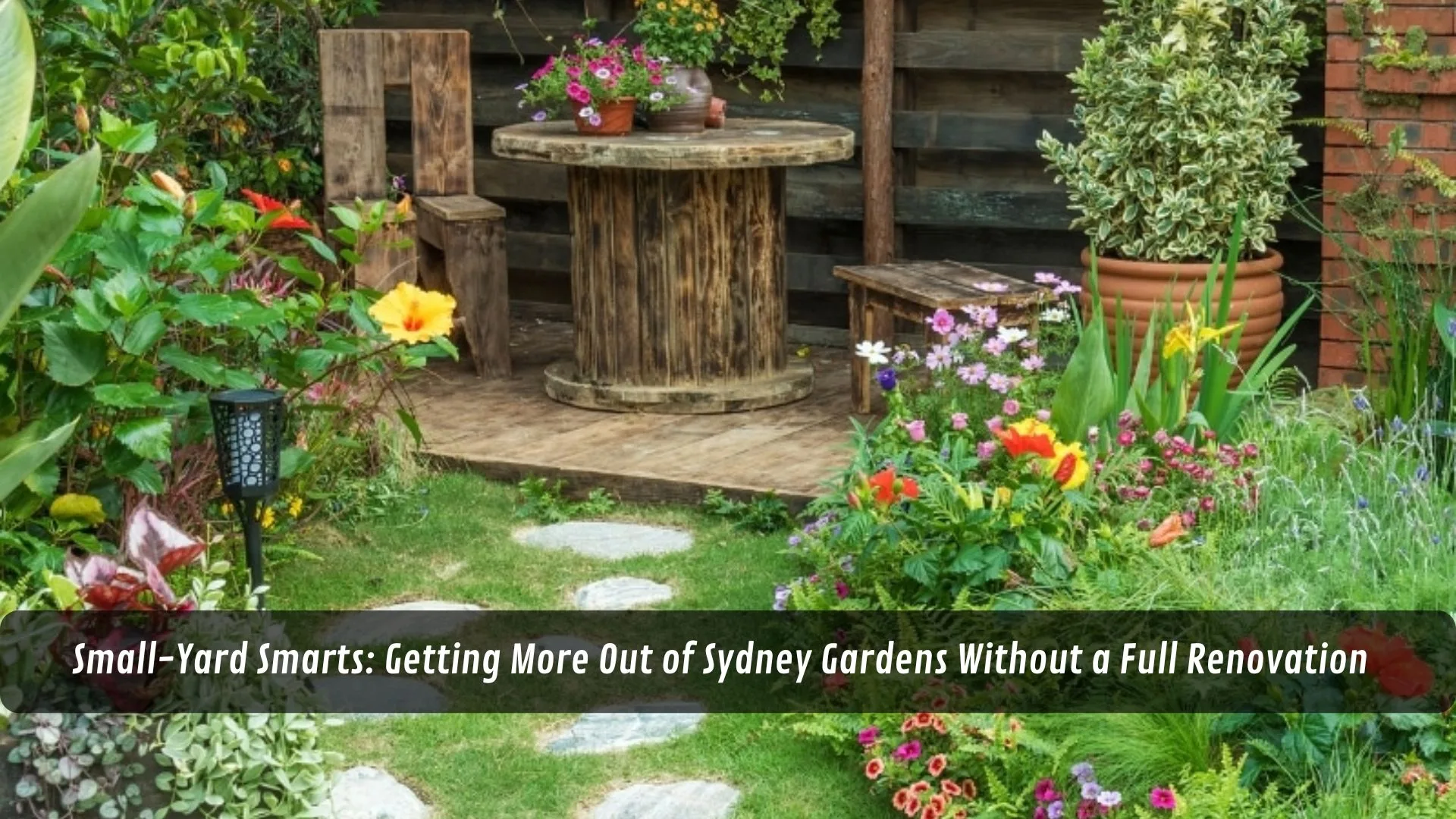
Sydney blocks keep shrinking, yet expectations around usable outdoor space are only growing. Families still want a spot for a barbecue, somewhere to hide the bins, maybe even a raised vegie patch the kids can raid for cherry tomatoes. The trick is squeezing genuine function and a dash of personality into the tight footprint most suburban lots now offer.
Why Compact Blocks Still Deserve Real Design
A courtyard or pocket-sized lawn can feel like a token gesture if the layout isn’t intentional. Good design turns that postage-stamp patch into a multipurpose zone that changes with the seasons and your routine. Professional crews who specialise in garden services start by mapping wind paths, sun angles and the pinch points created by fences or neighbouring walls. That planning phase often reveals “dead corners” that can anchor storage screens, small water features or even a slimline vertical herb garden.
Sydney’s climate helps. Winter lows are rarely punishing, and summer heat can be tempered with light-coloured paving that bounces glare away from living areas. That makes it easier to design all-year spaces rather than a lawn that bakes in January and sits unused for six months.
Common stumbling blocks
– Over-planting: cramming in too many shrubs creates airflow problems and makes pest outbreaks harder to spot.
– Choosing the wrong hardscape colours: dark pavers can trap heat against the house.
– Ignoring drainage: even small sites need a plan for those sudden east-coast lows.
Correcting any one of these mistakes after the fact is rarely cheap, which is why a proper design brief up-front pays for itself.
Strategic Tweaks That Stretch Space
Large-scale makeovers aren’t the only path to improvement. Incremental swaps can steadily shift a cramped yard into something that feels deliberate.
- Layered Lighting – low-volt uplights under feature plants add depth after sunset, making a small garden read bigger through contrast and shadow.
- Movable Furniture – fortnightly reshuffles stop wear tracks in turf and keep soil under pots from compacting.
- Dual-Purpose Structures – a pergola that doubles as a clothes-drying zone keeps lines off the lawn without resorting to a rotary hoist.
Homeowners hunting for bigger changes often start with a full plan, then stage it across pay-packets. A helpful explainer on phasing work without the usual headaches is this guide to backyard redesign in Sydney. Spacing projects keeps budgets intact and lets you live with each tweak before locking in the next.
When minor becomes major
Adding a single raised bed can trigger related upgrades—irrigation loops, sleeper edging and surface levelling. Mapping those flow-on effects now avoids nasty surprises once the first shovel hits the soil.
Quick comparison of low-impact upgradesUpgrade IdeaAverage DisruptionOngoing UpkeepWho It SuitsReplace tired turf with drought-tolerant buffaloWeekend of prep, two weeks light useSeasonal feed, deep water in heatwavesFamilies with active kidsSwap mixed pot collection for a single statement troughHalf-day labourTop-up soil yearlyApartment courtyardsAdd bench seating over existing retaining wallOne-day carpentryTimber oil each springEntertainers short on floor spaceSmall wins compound. A tidier vista from the kitchen window encourages regular trimming; less clutter underfoot means fewer tripping hazards when hosting friends after dark. Momentum builds.
Choosing Plants That Behave
Not every shrub labelled “compact” stays that way. Lilly pilly hedges can surge past gutter height in five seasons if you forget the secateurs. Sydney gardeners juggling work and school runs should lean on slower growers such as westringia ‘Grey Box’ or dwarf forms of banksia. Pair them with evergreen groundcovers—myoporum or native violet—so the picture looks composed even when summer annuals fade.
Water use also matters. The metropolitan watering guidelines haven’t bitten hard since the tail end of the millennium drought, but restrictions return every few years. Installing drippers below mulch limits evaporation and keeps foliage dry, cutting fungal risk.
Soil—the overlooked asset
Clay pockets along the Parramatta River corridor need gypsum and organics to loosen their grip; sandier zones near the coast crave compost that holds moisture. Spend on soil first and plant choices broaden dramatically.
Low-Maintenance Doesn’t Mean Featureless
Many owners translate “low-maintenance” as “pave the lot,” then complain when summer glare pushes them indoors. Texture and microclimate fix that. A strip of river stones under the tap doubles as splash drain and visual break. A single stainless cable strung overhead can support a deciduous grape that throws heavy shade by February yet drops leaves for winter light.
The Department of Planning’s current targets encourage permeable surfaces to cut storm-water surge. Permeable pavers over a crushed-rock base meet that brief and still support outdoor furniture. For a deeper dive into water-wise approaches, skim the NSW Environment water-efficient gardening guidelines.
Where to Next
Compact blocks are here to stay, but a tiny yard needn’t feel disposable. Treat it as a flexible outdoor room, nudge the hardscape into pulling double duty and select plants that won’t outgrow the brief. A small sequence of smart moves often delivers more liveable square metres than a single headline renovation—and usually with less mess, fewer council forms and more money left for the house itself.