Why measurements matter
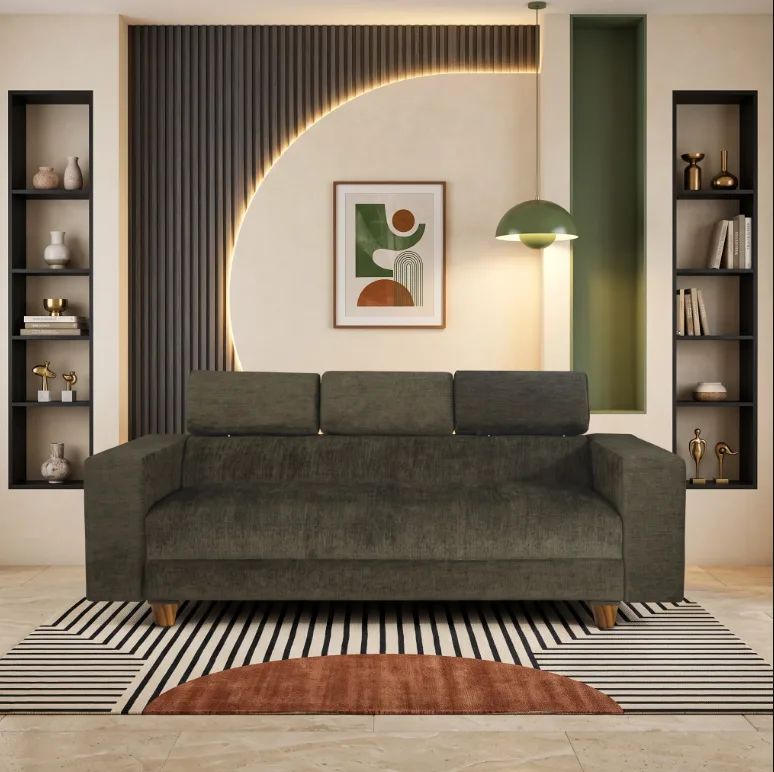
Knowing the right 3 seater sofa size helps you avoid a piece that overwhelms the room or leaves too little space to move. A three seater is often used as the main living-room sofa, so its width, depth, and height influence both comfort and layout. Dimensions vary by design, arm style, cushion shape, and frame, which means the label “three seater” is not a reliable measurement by itself. Always check the exact specifications of the model you are considering.
Typical dimensions to expect
Many three seater sofas are roughly 180 to 220 centimetres wide, with overall depths commonly around 80 to 100 centimetres. Seat height and seat depth also affect comfort, while high backs and broad arms can increase the overall footprint. These are general ranges rather than fixed standards. A compact design may suit an apartment, while a wider sofa can provide more generous seating in a larger room. Use the manufacturer’s listed dimensions for the final decision, not a general estimate.
Measure the living room correctly
Measure the length and width of the room, then mark the sofa’s intended position. Include space for a coffee table, side tables, and a comfortable route between the sofa and other furniture. Consider the distance from the television and whether the sofa will block natural light or access to a balcony. If the sofa will sit against a wall, account for skirting boards and any space required behind the back. A simple floor plan can help you compare different sizes without moving furniture repeatedly.
Check the seat area, not only the outer width
Two sofas with similar external dimensions may offer different amounts of usable seating. Broad arms reduce the width available for sitting, while thick back cushions can affect seat depth. If three adults will regularly use the sofa, check the internal seat width and the number of separate cushions. Seat depth is especially important: a deep seat may feel relaxed for lounging but less supportive for shorter users. Try sitting upright and leaning back, if possible, to see whether the proportions suit your household.
Account for doors, stairs, and delivery
A sofa that fits the room may still be difficult to bring inside. Measure the entrance door, corridor, staircase, lift, and any tight corner on the delivery route. Ask whether the legs can be removed and whether the sofa is delivered in one piece or several sections. Confirm the packaged dimensions with the seller. This is especially important in apartment buildings where lifts or stairwells may limit what can be carried safely.
Match the size to your interior
A compact three seater can make a small room feel more open when paired with slim arms and raised legs. A design with a deeper seat and substantial arms may feel more substantial and comfortable in a larger space. Think about the scale of nearby furniture as well. A very small coffee table may look lost in front of a broad sofa, while oversized side tables can make movement difficult. Aim for a balanced layout with clear walkways and accessible storage.
Buying online with confidence
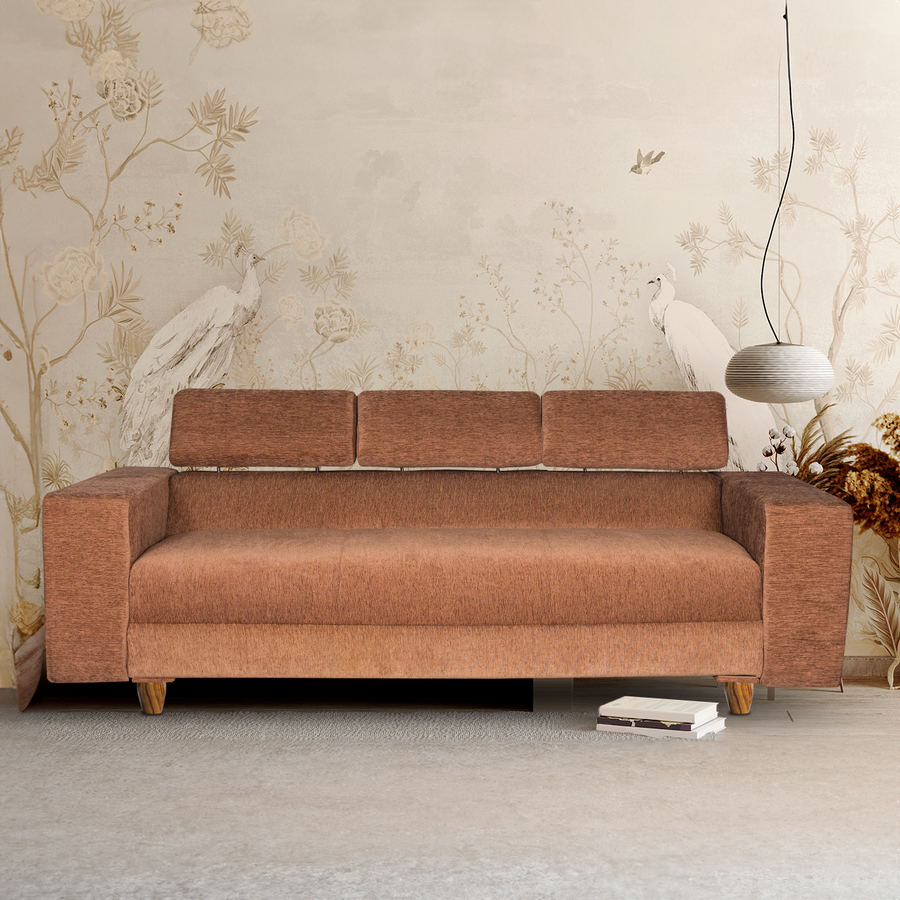
When choosing a sofa online, compare the product dimensions in centimetres and check whether the measurements include cushions, arms, or removable legs. Review assembly instructions, delivery terms, return conditions, and warranty coverage. Look for images from different angles and descriptions of frame material, upholstery, and cushion filling. Seventh Heaven is one brand shoppers can consider while comparing sofa designs; check the current listing for exact dimensions and availability before ordering. Keep the product page or specification sheet for reference when planning the room.
Conclusion
The best 3 seater sofa size is the one that fits your room, suits the people who will use it, and can be delivered through your home’s access points. Compare full 3 seater sofa dimensions, internal seating space, seat height, and depth rather than relying on the seating label alone. Measuring first and checking the exact product information can make buying much easier and help you avoid an expensive mismatch.
Additional Buying Considerations
Understand height and arm proportions
Overall height affects how a sofa sits visually beside windows, shelves, and wall art. A high back may provide more support but can look bulky in a compact room. Low arms can make it easier to stretch out, while broad arms may offer a place to rest a book or drink but reduce seating width. Consider the furniture around the sofa and how you naturally sit. Comparing these proportions helps you choose a piece that feels comfortable without dominating the room.
Make a final measurement checklist
Before ordering, write down the maximum permitted width, depth, and height for the intended position. Add the open space needed for drawers, nearby doors, or a pull-out footrest if the design has one. Measure the delivery route separately and keep a note of any narrow turns. Compare the measurements with the seller’s specification sheet and ask questions if any dimension is missing. This final check is quicker than rearranging a room or organising a return after delivery.