Workplace wellness is becoming one of the most important priorities for modern organizations. Businesses are focusing more on employee health, engagement, and productivity as they work to create stronger and healthier workplace cultures. Companies that support employee wellbeing often experience better collaboration, reduced absenteeism, and higher employee satisfaction.
Modern employees expect workplaces that encourage healthy habits and support both physical and mental wellbeing. As a result, organizations are investing in digital wellness technologies that make employee engagement more interactive and accessible.
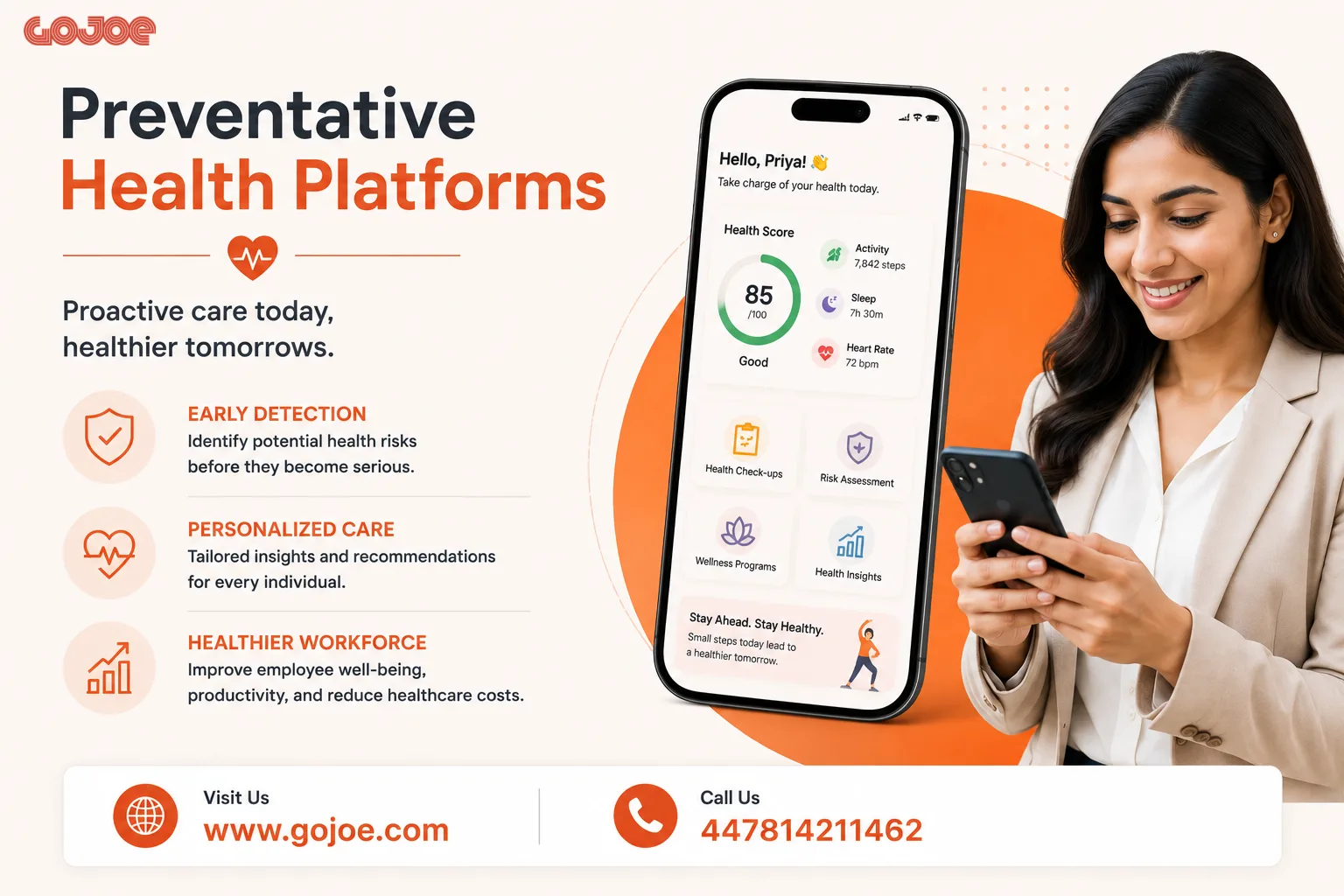
Companies adopting preventative health platforms are now able to support proactive wellness strategies that focus on maintaining healthier habits before health-related issues arise. These solutions encourage employees to stay active, manage stress effectively, and participate in engaging wellness activities that improve overall workplace wellbeing.
Why Preventative Wellness Matters
Preventative wellness strategies help businesses focus on long-term employee health instead of reacting to problems after they occur. Organizations that encourage healthy routines often experience stronger employee engagement and improved workplace morale.
Some major benefits include:
- Better employee productivity
- Reduced workplace stress
- Increased participation in wellness activities
- Lower absenteeism rates
- Improved employee retention
- Stronger company culture
Healthy employees are generally more motivated and engaged in their daily responsibilities.
Features of Modern Wellness Solutions
Today’s wellness technologies include interactive tools that help employees stay connected and motivated.
Fitness and Activity Tracking
Employees can monitor movement goals, daily steps, and fitness progress through mobile-friendly applications.
Mental Wellness Support
Stress management resources, mindfulness exercises, and wellbeing tracking systems support employee mental health.
Gamification and Rewards
Leaderboards, achievement badges, and rewards systems make wellness activities more engaging and enjoyable.
Team-Based Activities
Collaborative wellness challenges improve communication and strengthen workplace relationships.
Technology and Workplace Engagement
Digital wellness technology has transformed how businesses approach employee wellbeing. Mobile accessibility allows employees to participate in wellness activities from anywhere, making these solutions ideal for remote and hybrid workplaces.
Organizations can also track participation and engagement levels through analytics and reporting tools to improve future wellness strategies.
Improving Employee Participation
Employee participation is one of the most important factors in creating successful wellness programs. Businesses that offer engaging and interactive wellness experiences often achieve stronger long-term involvement from employees.
Many organizations are now implementing employee engagement apps to improve communication, encourage participation, and strengthen workplace relationships. These applications help employees stay connected through team activities, rewards systems, social interaction tools, and collaborative wellness challenges.
Interactive engagement solutions also help organizations create more enjoyable workplace experiences while improving employee motivation.
Creating a Strong Wellness Culture
A successful workplace wellness culture focuses on consistency, inclusivity, and long-term engagement. Employees are more likely to participate when wellness programs feel rewarding and easy to access.
Businesses can improve wellness participation by:
- Offering regular wellness challenges
- Recognizing employee achievements
- Encouraging leadership involvement
- Supporting work-life balance
- Promoting both physical and mental wellbeing
Organizations that prioritize wellness often create healthier and more productive workplaces.
Conclusion
Employee wellness and engagement continue to play a major role in modern business success. Companies that invest in proactive wellness strategies and digital engagement tools can improve employee satisfaction, productivity, and workplace culture.
As workplace expectations continue evolving, wellness technology and engagement-focused solutions will remain essential for building healthier, more connected organizations.
FAQs
What are preventative health platforms?
Preventative health platforms are digital wellness solutions designed to encourage healthier habits and proactive employee wellbeing through wellness activities, fitness tracking, and mental health support.
Why are employee engagement apps important?
Employee engagement apps help organizations improve participation, teamwork, communication, and workplace morale through interactive wellness activities and recognition systems.
How do wellness platforms support workplace culture?
They encourage healthier lifestyles, improve collaboration, and create more engaging work environments for employees.
Can remote teams use wellness platforms?
Yes, modern wellness solutions are designed for remote, hybrid, and office-based employees with mobile-friendly accessibility.
What features should businesses look for in wellness apps?
Businesses should look for activity tracking, gamification tools, rewards systems, team challenges, mental wellness support, and analytics features.