Walk down any grocery or beverage aisle today, and you will notice a massive shift in how products look. The standard square sticker stuck to the front of a bottle is rapidly becoming a relic of the past. Brands now face intense competition for consumer attention, meaning they only have a fraction of a second to make an impression. To stand out, companies are utilising the full geometry of their containers. Wrapping a bottle from cap to base in vibrant, high-definition graphics allows for a dramatic storytelling canvas that simply cannot be achieved with traditional flat methods.
The Engineering Behind Full-Body Contoured Wrapping
The magic of full-body wrapping lies in specialised polymer films that react to controlled temperature zones. Specialised shrink sleeve manufacturers design these films using materials like PVC or PETG, printing the graphics in reverse on the inside of a clear tube. When passed through a specialised steam or electric tunnel, the film shrinks uniformly, tightly conforming to the unique curves, contours, and indentations of the container. This approach accommodates highly complex bottle designs, from hourglass beverage containers to ergonomic household cleaner handles, without causing ugly wrinkles or distortion in the text and imagery.
Sourcing Technical Expertise in High-Volume Manufacturing Hubs
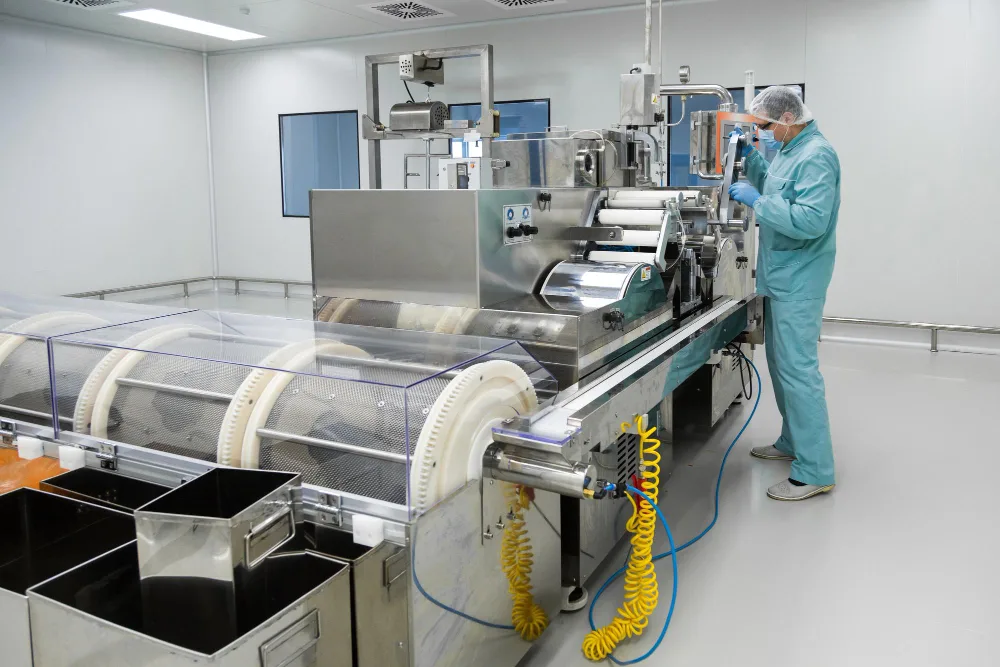
Implementing a full-body wrap production line requires precise calibration between the film quality and the machinery running it. For businesses operating distribution networks across northern India, staying close to the technical source is an operational necessity. Working with experienced heat shrink sleeve manufacturers in Delhi NCR gives production managers the ability to run rapid prototyping tests, adjust material thickness, and verify friction coefficients on the factory floor. Local access minimises supply chain disruptions and allows fast-moving consumer goods brands to launch seasonal promotional packaging without waiting months for imported components.
Beyond Aesthetics: Adding Value with Structural Security
While the visual impact is undeniable, this method provides significant functional benefits to the physical container. The tight plastic wrap acts as a protective shield, reinforcing glass bottles against micro-cracks and reducing breakage during bumpy transits. Furthermore, it easily integrates tamper-evident features. By extending the wrap over the cap with a perforated line, brands create a built-in safety seal. Customers immediately know if a bottle has been opened, which builds immense trust in sectors like dairy, juice production, and over-the-counter wellness goods.
Optimising the Packaging Stream with Jainytic
Transitioning to advanced container wraps requires a partner who understands the fine balance between material expansion and design registration. Jainytic delivers high-grade film solutions specifically calibrated to perform on high-speed automated application machinery. By combining precision printing with top-tier material selection, we help brands across Delhi NCR turn standard bottles into striking, multi-dimensional billboards. Our technical support team ensures that the transition from initial digital artwork to the final shrunk container is smooth, minimising waste and maximising aesthetic impact.
FAQ
- What are the primary materials used for contoured bottle wraps? Ans: The most common materials are PVC and PETG. PVC is cost-effective and easy to control during low-to-medium production runs, while PETG offers higher clarity, greater shrink percentages, and excellent recyclability for premium containers.
- How do you prevent graphics from distorting during the shrinking process? Ans: Experienced manufacturers utilise specialised pre-distortion software during the prepress stage. This software skews the artwork in reverse so that when the film shrinks around a curved surface, the image compresses into its perfectly proportioned final shape.
- Can these wraps handle damp or refrigerated storage conditions? Ans: Yes, because the graphics are printed on the inside of the moisture-resistant plastic film, the artwork is completely protected from external friction, humidity, ice buckets, and condensation during transport and refrigeration.