It’s 2 a.m. A figure steps over a fence at the back of a warehouse. The camera records everything. But nobody’s watching. By the time someone reviews the footage the next morning, the damage is done.
For years, that’s how most security cameras worked. They were great at telling you what happened. They were much less useful at telling you what was happening. Intelligent cameras are changing that.
Recording Isn’t the Same as Responding
Traditional cameras are passive. They capture video and store it. If something goes wrong, someone reviews footage later.
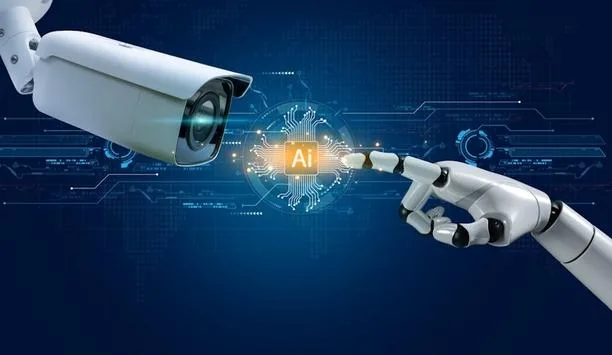
Intelligent cameras analyze what they see as it happens. Using AI, they can tell the difference between a person, a vehicle, and an animal. They can spot unusual behavior and send an alert right away. That turns a camera from a witness into an early warning system.
The Faster Response Chain
Speed in security isn’t one big leap. It’s a chain of small steps, and each one can be shortened.
- Detection: the camera notices something unusual
- Alert: the right person is notified immediately
- Verification: someone checks live video to confirm the threat
- Action: a guard, supervisor, or authority responds
- Review: the incident is documented with video evidence
Intelligent cameras help at every link. They detect sooner, alert faster, and give responders the context to act with confidence.
What These Cameras Can Detect
Modern systems are trained to recognize behaviors and events that matter to security teams. Common examples include:
- Someone entering a restricted area
- A fence or perimeter being crossed
- People loitering near sensitive spots
- Objects left behind
- Vehicles in places they shouldn’t be
- Crowds forming unexpectedly
Some systems also use audio analysis to identify unusual sounds. Capabilities vary by product, so businesses should confirm what a system really offers
Fewer False Alarms, Faster Reactions
Here’s a problem every security team knows. Basic motion detection triggers constantly. Wind, shadows, small animals, passing headlights. Operators drown in alerts and start ignoring them. That’s called alert fatigue, and it’s dangerous.
AI helps by filtering out the noise. Vendors often claim reductions of up to 90 percent in false alarms compared with simple motion sensors. Real results depend on setup, so treat big numbers carefully. One buyer’s guide describes a large rollout where careful zone tuning and behavior analytics cut nightly alerts from about 4,800 to around 420 without replacing any cameras. The lesson is useful. Good tuning matters as much as good hardware.
Processing at the Edge
Many intelligent cameras analyze video on the device itself. This is called edge processing. Because less data has to travel across the network, alerts can arrive faster, and systems keep working even when connections are weak.
Some businesses combine edge analysis with cloud tools for storage, search, and remote access. Most modern setups use a blend of both.
Smarter Alerts, Not Just More Alerts
A good alert doesn’t just say “motion detected.” It says who or what was seen, where, and when, often with a short video clip. That context helps staff decide quickly whether to ignore, monitor, or respond.
Some platforms also support automated workflows. For example, an alert can notify a supervisor, light up a zone, play a warning message, or open an incident record. Standard steps save time and reduce mistakes under pressure.
Working Together With Other Systems
Intelligent cameras work best when they’re connected. Linking them with access control, alarms, and monitoring software builds a fuller picture.
Fire and life safety fit into this too. A properly installed fire alarm system Riyadh businesses depend on can work alongside camera analytics, giving security teams visual confirmation during an emergency and helping them guide people to safety. Cameras can also support investigations afterward by showing how events unfolded.
Real-World Uses
Different businesses benefit in different ways:
- Warehouses and logistics sites protect perimeters and loading docks
- Retail stores detect theft and manage crowds
- Offices monitor entrances and after-hours activity
- Hospitals and schools improve safety in public areas
- Industrial sites watch restricted zones and safety rules
- Parking areas track vehicles and unusual activity
Across the region, companies planning upgrades often review fire alarm system KSA options at the same time as camera analytics, so detection, verification, and emergency response all work together
What Businesses Should Consider
Intelligent cameras aren’t plug-and-play magic. A few planning questions help:
- What threats matter most to our site?
- Do the cameras work well in our lighting and weather?
- Can the system connect with our existing software?
- Who receives alerts, and who responds?
- How are false alarms handled?
- How long is footage stored, and who can see it?
Training staff matters just as much as buying equipment. A fast alert is useless if nobody knows what to do with it.
Honest Limits
Intelligent cameras still make mistakes. They can miss events or flag harmless ones, especially with poor lighting, bad camera angles, or unusual conditions. Human judgment remains essential.
Privacy needs care too. Businesses should be clear about what is monitored, follow local regulations, and protect stored footage. Trust matters to employees, customers, and the public.
Many statistics about savings and accuracy come from vendors. They’re helpful signals, but test any system on your own site before relying on them.
Final Thoughts
Security threats don’t wait for someone to review the tape. The faster a business can notice, verify, and respond, the smaller the damage tends to be.
Intelligent cameras help by turning raw video into timely, useful information. Combined with good planning, trained people, and connected systems, they give businesses a real chance to stop problems early, instead of explaining them later