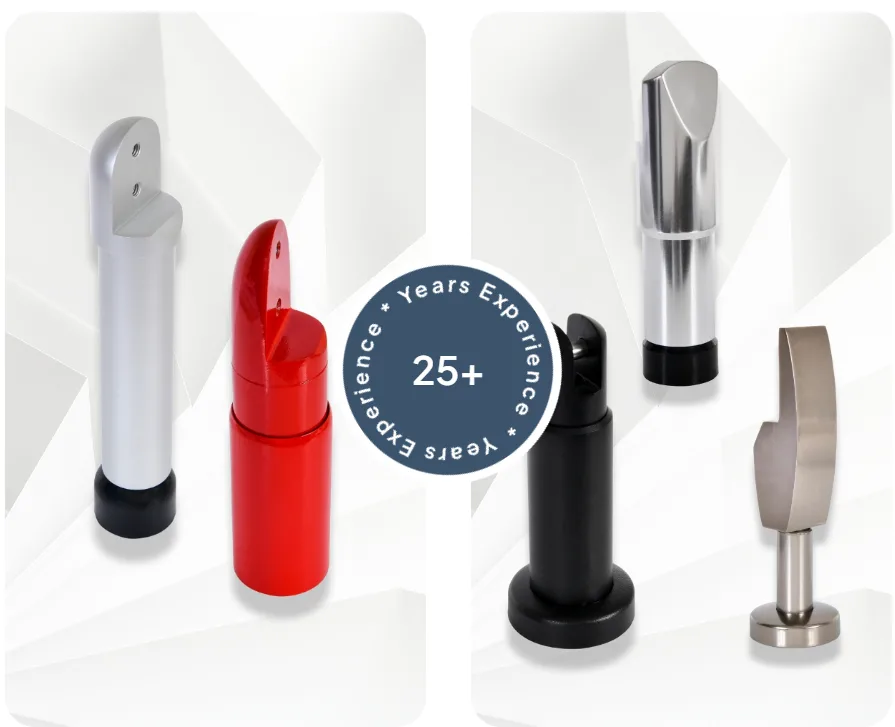
When you shop for toilet cubicle hardware, one question comes up again and again: which material should I pick? Aluminium, stainless steel and nylon all look fine on a product page. But in a damp, busy washroom, they behave very differently.
In this article, we compare the three in simple words. By the end, you will know which material suits your project and what to ask a toilet cubicle accessories supplier in India before you place an order.
Why the Material Matters?
A washroom is one of the toughest places for any fitting. Water sits on the floor, steam fills the air, cleaning chemicals are used daily, and hundreds of people pull doors open and shut.
The wrong material can lead to:
• Rust and stains on hinges and legs
• Latches that crack or snap
• Doors that sag after a few months
• Extra spending on repairs and replacements
The right material avoids all of this. That is why choosing it carefully works as well as choosing the cubicle
panels themselves.
Aluminium Toilet Cubicle Hardware
Aluminium is one of the most popular choices for toilet partition hardware, and it is easy to see why.
What is good about it
• It is light, so doors and panels are easy to handle and install.
• It does not rust like plain iron or steel.
• It has a clean, modern look.
• It is usually priced lower than stainless steel.
What to keep in mind
• It is softer than stainless steel, so it can scratch or dent under very rough use.
• Quality varies. Thicker, well-finished aluminium lasts much longer than thin, cheap parts.
Best for: offices, schools, restaurants, showrooms and other places with regular but not extreme use.
Stainless Steel Toilet Cubicle Hardware
Stainless steel is the heavy-duty option. You will often see it in airports, malls, hospitals and busy public washrooms.
What is good about it
• It is very strong and handles heavy, daily use.
• It resists corrosion well, which suits wet areas.
• It stays looking good for a long time with simple cleaning.
What to keep in mind
• It costs more than aluminium or nylon.
• It is heavier, which can matter for doors and fixing points.
• Not all stainless steel is the same. Grades such as 304 are common, and 316 is often preferred in coastal or chemical-heavy areas. Ask your supplier which grade they are offering.
Best for: high-traffic public washrooms, hospitals, malls, railway stations and industrial sites.
Nylon Toilet Cubicle Hardware
Nylon is a plastic material that many suppliers offer as a budget-friendly choice for toilet cubicle fittings.
What is good about it
• It never rusts because it contains no metal.
• It is light and low in cost.
• It works well in humid places.
What to keep in mind
• It is not as strong as metal, so it may wear out sooner in heavy-use areas.
• Over time, it can lose strength or fade, especially if the quality is low.
Best for: light-use washrooms, temporary setups and projects with a tight budget.
Side-by-Side Comparison
Here is a quick way to compare the three:
Strength Rust resistance Weight Cost Best for
- Aluminium Good Very good Light Medium Offices, schools
- Stainless Steel Excellent Very good Heavy Higher Busy public places
- Nylon Moderate Does not rust Very light Lower Light use, tight budgets
How to Pick the Right One
Ask yourself these four simple questions.
1. How busy will the washroom be? A washroom used by a few people a day can use aluminium or nylon. A washroom used by hundreds should lean towards stainless steel or strong aluminium.
2. What is your budget? Think about the full cost, not just the price today. Stronger hardware often saves money on repairs later.
3. Is the washroom very wet or near the coast? In very humid or coastal places, ask about corrosion resistance and stainless steel grade or finish.
4. How long do you want it to last? If you want a fit-and-forget solution for many years, invest in better material from the start.
Questions to Ask Your Supplier
When you speak to cubicle hardware suppliers in India, keep this list handy:
• What exactly is each part made of?
• What is the finish, and is it suited to wet areas?
• What grade of stainless steel or quality of aluminium do you use?
• Can I see a sample or a detailed specification?
• Do all the parts (legs, hinges, latches) work together?
• Can you supply my full quantity and deliver to my city?
A good supplier will answer these clearly and without hesitation.
Frequently Asked Questions
- Which is the best material for bathroom partition hardware?
There is no single best material. Stainless steel is strongest for heavy use, aluminium is a smart all-rounder, and nylon suits light use on a budget.
- Is aluminium better than stainless steel for toilet cubicles?
Not always. Aluminium is lighter and more affordable, while stainless steel is tougher. The right choice depends on how busy the washroom is.
- Does nylon cubicle hardware last long?
Good-quality nylon can last well in light-use areas. In very busy washrooms, metal hardware usually lasts longer.
Final Thoughts
Choosing between aluminium, stainless steel and nylon is not about finding the one perfect material. It is about matching the material to your washroom, your budget and your timeline.
If you are looking for aluminium legs, hinges and latches, visit toiletcubiclehardware.com to see the range and send an enquiry for your project.