In today’s fast-paced industrial environment, efficiency in material handling can be the difference between profit and loss, success and stagnation. As the backbone of automated transportation and logistics, conveyor belts are central to this efficiency. Yet not all conveyor belts are created equal—especially when it comes to transporting inclined, bulky, or unstable materials. This is where the Cleated Conveyor Belt stands out, transforming the way businesses move materials across factory floors, production lines, and even harsh outdoor environments.
At Shanghai Puteken Transmission System Co., Ltd., we understand that every material handling challenge is unique. That’s why our range of Cleated Conveyor Belts is designed with innovation at its core, helping manufacturers, processors, and distributors achieve unparalleled control, speed, and safety when conveying products. From moving agricultural produce up steep gradients to automating waste management, the cleated conveyor belt is the unsung hero improving throughput, reducing manual labor, and minimizing loss.
1. Understanding the Cleated Conveyor Belt
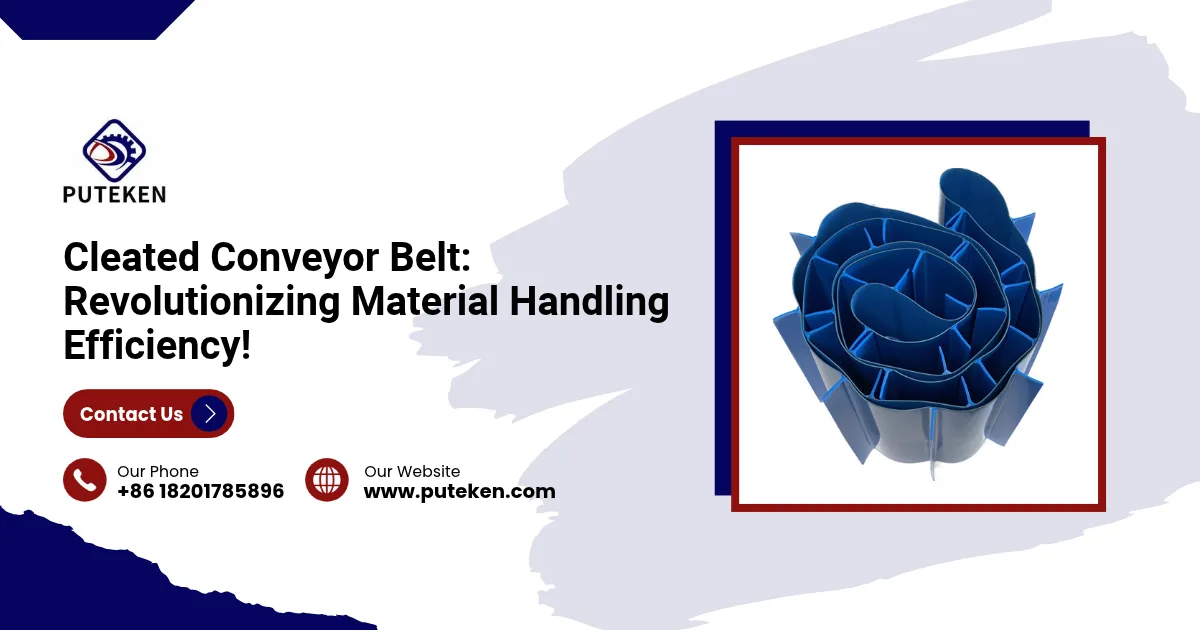
A Cleated Conveyor Belt is a conveyor belt fitted with vertical cleats or barriers—usually made from rubber, PVC, or specialized polymers—attached perpendicular to the belt’s running direction. These cleats are designed to provide resistance and support for materials, preventing slippage as the belt moves at an incline or through dynamic handling conditions.
What makes cleated belts special?
- Positive control: Cleats “catch” the product, holding it in place even on steep inclines.
- Versatile design: Available in a variety of cleat heights, shapes, and spacings.
- Enhanced capacity: Allows for higher conveyance angles and increased throughput.
Typical industries that deploy cleated conveyor belts include agriculture, mining, food processing, packaging, recycling, manufacturing, and many more.
2. The Engineering Principles Behind Cleated Conveyor Belts
How They Work
The principle behind a Cleated Conveyor Belt is remarkably simple yet highly effective. Unlike flat belts—which can allow materials to slide backward under gravity or bounce with vibration—a cleated belt uses mechanical “steps.” Each cleat acts as a barrier, increasing friction and providing physical support as materials move forward. The result is safe, reliable elevation and transport, even for bulk or irregular items.
Key Engineering Elements:
- Belt substrate: Typically durable rubber, PVC, or thermoplastic elastomers.
- Cleats: Fixed or molded into the substrate, available in various profiles (T-cleat, V-cleat, L-cleat, fishbone, etc.).
- Backing and reinforcement: Multiple plies for enhanced tensile strength, flexibility, and resistance to impact.
Tailoring for Your Needs
Shanghai Puteken Transmission System Co., Ltd. manufactures cleated conveyor belts to client specifications—varying cleat height, angle, material, and spacing in accordance with the weight, shape, and traveling angle of the products you need to move.
3. Key Benefits of Cleated Conveyor Belts
A Cleated Conveyor Belt doesn’t just move materials—it solves problems, increases productivity, and minimizes waste. Here’s why:
a. Steep Incline Handling
- Move materials up angles of up to 45 degrees or more, reducing the need for elevators or secondary handling equipment.
b. Spillage and Slip Prevention
- Cleats keep material from sliding or rolling back—especially crucial with granular, powder, or irregular items.
c. Improved Throughput
- Greater load capacity means more material can be moved per cycle, boosting productivity.
Also Read: Cleated Conveyor Belt: The Ultimate Solution for Steep Incline Conveying!
d. Reduced Product Loss
- Materials stay on the belt, with less falling or scattering—saving money and reducing cleanup.
e. Enhanced Versatility
- Transport bulk items, bagged goods, sharp or abrasive products, and even fragile materials with the right cleat design.
f. Labor Savings
- Cut down on manual lifting, scooping, or stacking with automated vertical movement.
g. Space Optimization
- Conveying at steeper angles lets you use vertical space more efficiently, freeing up floor area for other operations.
4. Real-World Applications: Where Cleated Conveyor Belts Excel
a. Agriculture and Food Processing
- Potato, carrot, and grain elevators: Carry produce from ground level into washers, sorters, or storage.
- Snack and bakery lines: Move chips, cookies, or granulated sugar up to packaging machines.
- Meat and seafood: Non-stick or easy-clean cleats for handling cuts or fillets.
b. Mining and Aggregates
- Ore and mineral transport: Move crushed stone or sand up steep inclines to crushers or silos.
- Coal plants: Carrying loose, abrasive material reliably even in high-dust conditions.
c. Waste and Recycling
- Scrap metal: Cleated belts handle jagged edges and heavy weights.
- Plastics and paper: Efficiently transport shredded or baled materials between process stages.
d. Packaging and Logistics
- Bagged goods: Secure elevation and sorting for fertilizer, rice, flour, or pellets.
- Parcel handling: Special cleats for moving packages up chutes or through automated lines.
e. Manufacturing
- Parts feeding: Cleats prevent slip when devices or small assemblies are moved between machines.
- Chemical industries: Corrosion-resistant cleats for transferring powders or pellets.
f. Construction and Quarrying
- Soil and gravel transport: Cleated conveyor belts tackle uneven, sticky materials on challenging terrain.
5. Cleat Types and Belt Construction: Choosing the Right Configuration
The true power of the Cleated Conveyor Belt comes from precise configuration:
a. Cleat Profiles
- T-cleats: Standard straight cleats, ideal for most bulk handling.
- V-cleats: Prevent lateral shifting; good for wet or rolling materials.
- L-cleats: Angled for low-profile, shallow angle conveyance.
- Multi-chevrons/fishbone: For fine powders or mixed material.
- Sidewalls: Combine with cleats to “cup” material for ultimate retention.
b. Cleat Material
- Rubber: High flexibility, impact resistance.
- PVC: Lightweight, chemical resistant, economical.
- TPU/TPE: Food-grade, oil-resistant, easy to sanitize.
c. Configuration by Application
- Spacing: Closely spaced cleats for finer control of granular flows; wider for bulkier materials.
- Height: Higher cleats for steeper inclines or larger objects.
- Thickness of base belt: Dictates load capacity and impact tolerance.
Shanghai Puteken Transmission System Co., Ltd. works directly with clients to design every aspect for fit and performance.
6. Customization and Innovation at Shanghai Puteken Transmission System Co., Ltd.
No two conveyor lines are the same. Our engineering team offers:
- Bespoke cleat design: From traditional to fully custom shapes and materials.
- Variable spacing and size: For special products or multi-stage transport.
- Food-safe hygienic belts: Certified for direct contact with edibles.
- Abrasion and chemical-resistant properties: For harsh industry environments.
- Antistatic and flame-retardant options: For safety-critical sites.
- Easy-clean and modular belts: Designed for quick swap-outs and minimal downtime.
We help you match your cleated conveyor belt to exact operational, safety, and compliance needs.
7. Installation, Operation, and Maintenance Best Practices
To maximize the ROI and operational reliability of your Cleated Conveyor Belt:
Installation Tips
- Always use manufacturer-provided guidance for pulley sizing, tensioning, and cleat orientation.
- Avoid sharp bends that may damage or stress cleats.
- Ensure all fasteners, guides, and transfers are clean and correctly adjusted to prevent catching or “plucking” cleats.
Operation Guidelines
- Monitor belt alignment—improper tracking causes edge wear and stress.
- Avoid overloading the belt beyond rated capacity.
- Schedule regular visual inspections for worn cleats, torn joins, or delamination.
Maintenance & Troubleshooting
- Clean belts regularly—especially in food or sticky material applications.
- Replace worn or damaged cleats promptly to avoid product loss or jams.
- Use only compatible cleaning agents for specialty belts (food, chemical, etc.).
- Keep spares on hand for quick changeouts in critical lines.
With proper care, a cleated conveyor belt from Shanghai Puteken Transmission System Co., Ltd. delivers years of service.
As industrial operations expand and complexity increases, the demand for smarter, more efficient material handling only grows. The Cleated Conveyor Belt is the proven answer for tackling inclines, fragile or irregular loads, and high-throughput environments. By minimizing product loss, increasing capacity, and supporting automation, it truly revolutionizes efficiency across industries.
Frequently Asked Questions (FAQ)
Q1: What are the most common cleat heights, and how do I choose?
A: Common heights range from 25–100 mm. Selection depends on the loading angle, material size, and weight. Our engineers will help determine the optimal cleat profile for your needs.
Q2: Can cleated conveyor belts be used in washdown or food-safe environments?
A: Absolutely. Food-grade materials and easy-clean designs—certified to FDA/EU standards—are available for all cleated belt types.
Q3: How often should I inspect or replace a cleated conveyor belt?
A: Inspection frequency depends on load, material abrasiveness, and operational hours—typically every few months, with replacement as needed for visible wear, torn cleats, or substrate damage.
Q4: Are cleated belts more expensive than flat belts?
A: Initial cost is slightly higher, but operational savings from reduced loss, higher throughput, and less manual labor quickly offset this investment.
Q5: What is the maximum incline a cleated conveyor belt can handle?
A: With the right cleat design, angles up to 45° or more are possible, compared to just 18° for most flat belts.
Q6: What about transporting sticky materials?
A: Specialized cleats and surface coatings can be specified to handle even the stickiest substances.
Q7: Can I retrofit a flat conveyor with cleated belts?
A: Often yes, but some systems need adjustments to pulleys, guards, or guides. Our team provides full retrofit consulting.
Q8: What customization options are available?
A: Cleat material, height, spacing, belt width and length, anti-static properties, and more. Shanghai Puteken offers extensive custom engineering.
Q9: How do I order or consult for a cleated conveyor belt?
A: Contact Shanghai Puteken Transmission System Co., Ltd.—our experts will review your process and recommend the best-fit solution.
Q10: Do you serve international clients?
A: Yes! We supply cleated conveyor belts and provide technical support worldwide.