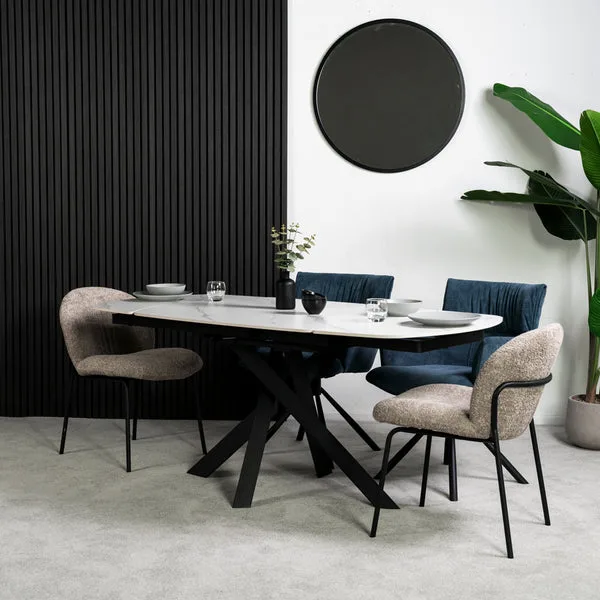
A dining table is more than a surface for serving meals. It provides a central place for family conversations, homework, celebrations, and entertaining guests. Because it serves so many purposes, choosing the right table can have a significant impact on the comfort and appearance of your home.
However, the variety of available shapes, sizes, materials, and finishes can make the decision challenging. Understanding your space, budget, and lifestyle will help you select from the available dining tables and find one that looks attractive and remains practical over time.
Start with Your Space and Household Needs
Before comparing styles, determine how much space you have available. Measure the dining area carefully, including the clearance required for chairs and movement around the table.
Where possible, allow around 90 cm between the table edge and nearby walls or furniture. This is a useful general guideline rather than a strict rule, and tighter spaces may require a more compact arrangement.
Think about the number of people who normally use the table. A couple living in a small apartment may prefer a compact four-seater, whereas a larger family may need a six-seater or an extendable design.
Your habits matter as well. If you frequently invite friends over for dinner, a larger or extendable table may be more useful than a design intended exclusively for everyday meals.
Planning around your actual requirements helps prevent unnecessary spending and makes better use of the available room.
Choose a Shape That Complements Your Room
Different table shapes suit different spaces.
Rectangular dining tables are versatile and work particularly well in longer rooms. They can accommodate several diners and are often easy to position against a wall when additional floor space is needed.
Round tables are well suited to smaller square dining areas. Their shape can make conversations feel more inclusive, although the available tabletop area and leg arrangement should be considered carefully.
Square tables can create a balanced appearance in compact rooms, particularly when the dining area has a symmetrical layout.
Oval tables offer a softer visual profile while providing seating along their length. They can be an attractive option for households that want the capacity of a rectangular table without prominent corners.
The best shape is one that allows people to sit comfortably and move around the room without obstruction.
Compare Materials and Finishes
The material of a dining table influences its appearance, durability, maintenance requirements, and cost.
Wooden dining tables remain popular because they suit many interior styles. Natural wood grains can add warmth to a room, while darker finishes may create a more formal appearance.
Wood-effect tables can offer a similar visual style and may suit buyers working within a particular budget. The construction and surface finish should be checked to understand how well a product will withstand everyday use.
Glass tables can help a room feel open because they allow more light to pass through the dining area. However, fingerprints and smudges may be more noticeable.
Ceramic and other hard-surface finishes may appeal to people who want a contemporary appearance and straightforward cleaning. Always review the manufacturer's guidance regarding heat, impact, and cleaning products.
When comparing materials, consider who will use the table, how frequently it will be used, and how much maintenance fits your lifestyle.
Coordinate Your Dining Table with Existing Furniture
Your dining table should complement the other furniture in the room rather than compete with it.
If your home features natural wood, consider a table with a similar tone or a contrasting finish that creates deliberate visual interest. In a contemporary interior, metal details and clean lines can create a cohesive appearance.
The chairs are particularly important. Ensure they are compatible with the table's height and provide adequate legroom. Upholstered chairs can make long meals more comfortable, while wooden or moulded chairs may suit a simpler, more minimal setting.
Lighting also affects the finished look. A pendant light positioned appropriately above the table can help define the dining area, particularly in an open-plan home.
Avoid filling the room with too many decorative accessories. A clear tabletop and sufficient circulation space can make even a modest dining room feel considered and inviting.
Balance Quality with Your Budget
A sensible budget should account for more than the purchase price. Delivery, assembly, suitable chairs, and any necessary protective accessories can increase the overall cost.
Prioritise the features you will use most frequently. For example, an extendable mechanism may be worthwhile if you regularly host guests, whereas a fixed table could be a simpler choice for a household with consistent seating needs.
When comparing products, look at construction quality, stability, dimensions, warranty information, and care requirements. A lower initial price is not necessarily the best value if the table does not suit your needs or requires replacement sooner than expected.
Exploring a furniture outlet can be one way to investigate furniture options while keeping an eye on your budget. Check the details of individual products, including availability, condition, and applicable delivery arrangements, before purchasing.
Think About Everyday Practicality
A dining table must work well in everyday life, not just look impressive in photographs.
Families with children may prefer rounded corners and surfaces that are easy to clean. People who use the table for remote working or hobbies may need a larger surface area.
If your dining space doubles as a walkway, ensure the table does not obstruct access to other rooms. In smaller homes, an extendable table can provide additional capacity when required without permanently occupying extra space.
Make a Confident Choice
The right dining table combines comfort, functionality, style, and value. Start with accurate measurements, select a suitable shape, compare materials, and assess how the table will support your everyday routine.
By approaching the decision methodically, you can find a dining table that complements your home, fits your budget, and creates a welcoming setting for years of shared meals and memorable occasions.