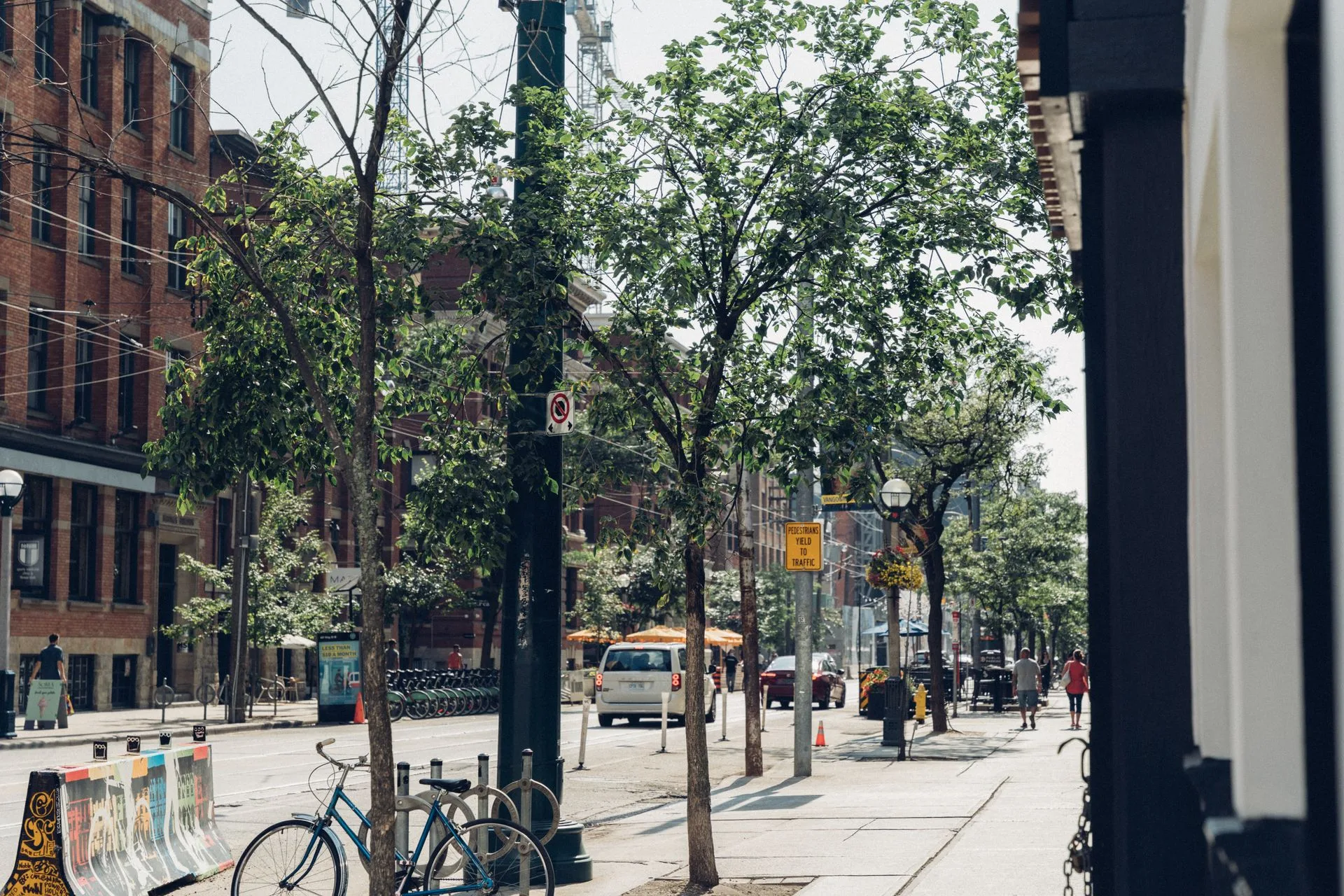
How much time do you spend driving to complete basic errands, and how would your life change if you didn't have to? For many older adults, this question touches on a fundamental quality-of-life issue. Walkable communities, where essential services and social spaces are accessible on foot, offer a practical solution that extends independence, improves health, and creates a stronger sense of belonging. As the population ages, understanding how neighborhood design impacts seniors becomes increasingly important for urban planners, healthcare providers, and families making decisions about where their loved ones should live.
Access to Daily Necessities Without Relying on Driving
One of the most immediate benefits of walkable communities is the ability to reach grocery stores, pharmacies, and medical offices without depending on a car. Older adults who no longer drive safely, or who prefer not to drive at night or in unfamiliar conditions, maintain their autonomy when shops and services are within reasonable walking distance. Walking to the store for groceries, for example, becomes a regular activity rather than a chore requiring a ride from a family member or a costly taxi service. This direct access reduces both the stress of asking others for help and the expense of relying on ride services for routine tasks.
The convenience extends beyond just reaching destinations. When destinations are walkable, older adults can run multiple errands in one trip, stopping at the pharmacy after the grocery store or visiting a nearby coffee shop to meet a friend. This efficiency makes daily life feel less fragmented and burdensome. Additionally, knowing that essential services are accessible on foot removes a significant source of anxiety for seniors who worry about burdening their families or losing independence as they age. The psychological benefit of self-sufficiency in managing one's own errands remains considerable and should not be underestimated.
Improved Physical Health Through Routine Movement
Regular walking is one of the most effective forms of exercise for older adults, offering cardiovascular benefits without the joint strain of high-impact activities. When neighborhoods are designed to encourage walking, seniors naturally incorporate more physical activity into their day simply by going about their routine. A study published by the American Heart Association has noted the cardiovascular and mental health benefits of consistent, moderate-intensity walking for aging populations. The key difference in walkable communities is that this exercise happens as part of daily life, not as a separate task requiring motivation or special arrangements.
Beyond cardiovascular health, regular walking strengthens muscles and improves balance and flexibility, which are crucial for preventing falls and maintaining mobility. Older adults in walkable neighborhoods report higher levels of physical activity compared to their counterparts in car-dependent areas, even when comparing people of similar ages and health status. The natural integration of movement into everyday activities means that older adults are more likely to sustain the habit long-term, since it does not feel like deliberate exercise. This consistent physical activity helps older adults maintain the strength and stability necessary to remain independent in their homes and communities for longer.
Social Connection and Mental Well-being
Walkable communities create opportunities for informal social interaction that car-dependent neighborhoods often lack. A walk to the store becomes a chance to greet neighbors, chat with people at a park bench, or strike up a conversation at a local coffee shop. These unplanned social encounters are vital for older adults' mental health and sense of belonging. Social isolation is a documented health risk for seniors, associated with depression, cognitive decline, and shorter lifespans, so the built-in social opportunities of walkable neighborhoods address a serious public health concern.
The presence of benches, parks, and public gathering spaces in walkable communities encourages older adults to spend time outdoors and connect with their neighbors. These spaces provide natural meeting points where seniors can interact with others their age, younger generations, and community members they might not otherwise encounter. For older adults who are retired or living alone, these casual social connections prevent loneliness and foster a genuine sense of community. Communities designed with pedestrian access in mind, such as Addington Place of Sparta, help residents stay engaged in daily activities and social routines that support overall well-being. A neighborhood where residents know each other by name, and where shared public spaces are alive with activity, is one where older adults feel valued and included rather than isolated.
Maintaining Independence and Quality of Life
The ability to handle personal business without requiring assistance from family members or paid caregivers preserves the dignity and autonomy that many older adults value highly. When older adults can walk to the doctor's office, the library, or a friend's house, they retain control over their schedule and activities. This independence extends far beyond the practical convenience of completing errands, shaping how older adults perceive themselves and their place in the community. A senior who can independently manage daily tasks maintains confidence and self-worth, whereas one who must repeatedly ask for help or arrange transportation may experience a gradual loss of agency.
Walkable communities also make aging in place a more realistic option for many people. Rather than moving to senior housing or facilities, older adults can remain in their long-standing homes and familiar neighborhoods, where they have established social connections and memories. This stability is profoundly important for mental and emotional well-being. When neighborhoods support independent living through accessible design and proximate services, older adults have more choices about how and where they spend their later decades. The ability to age in one's own community, surrounded by familiar faces and places, represents a significant quality-of-life advantage that extends life satisfaction and overall happiness.
Community Design Features That Support Walkability
Effective walkable communities share certain design characteristics that make walking safe, convenient, and enjoyable for older adults. Wide, well-maintained sidewalks with minimal obstacles, frequent crosswalks with adequate crossing time, and accessible curb cuts allow seniors to navigate on foot without fear of tripping or being struck by vehicles. Benches placed at intervals along walking routes provide rest stops for those with limited stamina or joint conditions. Good lighting ensures that older adults can walk safely during early morning and evening hours, and street trees provide shade on hot days, making longer walks more comfortable.
Mixed-use zoning, which places residential areas near shops, offices, and services, is essential for true walkability. This design approach means that older adults do not have to travel far to reach what they need, and the variety of destinations encourages regular walking. Public transportation that is frequent, affordable, and accessible complements walkable neighborhoods by providing a backup option for longer trips or bad weather. When communities prioritize these design features, they signal that older adults are valued members whose needs matter. The investment in walkable infrastructure benefits not only seniors but entire communities, as these features improve quality of life for people of all ages and abilities.
Conclusion
Walkable communities represent an evidence-based approach to supporting older adults' independence, health, and social well-being. By placing essential services within reasonable walking distance, designing safe and attractive public spaces, and prioritizing pedestrian access, communities can significantly improve quality of life for their aging residents. The benefits extend to reduced dependence on family caregivers, better physical health outcomes, and stronger social connections that combat loneliness and depression. As populations continue to age globally, the design of neighborhoods will become an increasingly important factor in how well older adults thrive. Communities that commit to walkability are investing not only in the current generation of seniors but in the future well-being of all their residents.