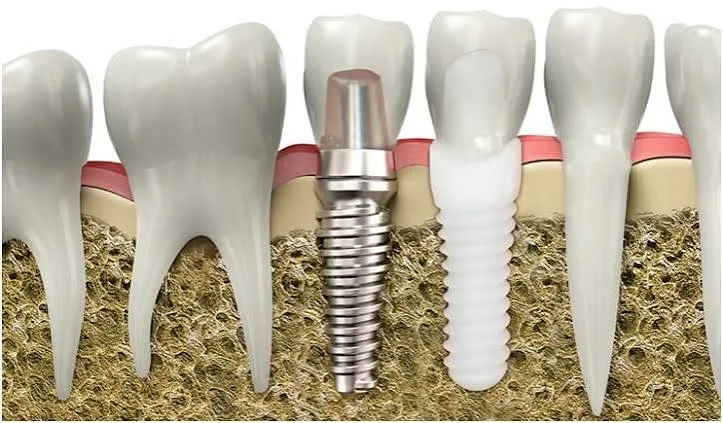
Losing a tooth can affect more than the appearance of your smile. It may change the way you chew, influence your confidence and create difficulties with everyday activities. Modern restorative dentistry offers several ways to replace missing teeth, allowing patients to regain comfort and function. For people who prefer a metal-free approach to dental care, ceramic implant options provide an alternative worth exploring.
At Munro Hall Clinic, dental treatment combines modern techniques with a holistic approach that considers both oral health and individual wellbeing. Choosing the right replacement involves understanding the available materials, the treatment process and the long-term care required to maintain healthy teeth and gums.
What Are Zirconia Dental Implants?
Zirconia dental implants are made from zirconium dioxide, a high-strength ceramic material used in restorative dentistry. Unlike conventional titanium implants, these implants contain no metal and have a naturally white appearance. They are designed to support replacement teeth by providing a stable foundation within the jawbone.
Once the implant integrates with the surrounding bone, a carefully designed crown can be attached to restore the missing tooth. The aim is to create a replacement that looks natural, feels comfortable and supports everyday activities such as speaking and chewing.
This option may appeal to patients who prefer ceramic dental materials or want to discuss a metal-free approach with their dentist. However, suitability depends on several factors, including bone health, gum condition, bite alignment and the position of the missing tooth.
Why Consider a Metal-Free Tooth Replacement?
The materials used in dental treatment matter to many people, particularly those interested in holistic dentistry. Ceramic implants offer several features that may make them suitable for selected patients.
Natural appearance: Zirconia has a white colour that can complement the surrounding teeth and gum tissue. This can be especially appealing when replacing a visible front tooth, where appearance is an important consideration.
Metal-free composition: Patients who prefer to avoid metal in dental restorations may appreciate the ceramic construction. Anyone concerned about a possible metal sensitivity should discuss their medical and dental history with a qualified clinician before choosing a treatment.
Biocompatibility: Zirconia is generally well tolerated by oral tissues. As with any implant material, individual outcomes vary, and careful planning is necessary to support healthy healing.
Everyday function: Dental implants can provide a fixed foundation for replacement teeth, helping restore chewing ability and maintain a more complete smile. Their success also depends on good oral hygiene, appropriate placement and regular professional monitoring.
Although these benefits are encouraging, ceramic implants are not automatically the best option for everyone. Titanium implants have a longer history of clinical use, so your dentist should explain the available evidence and the advantages and limitations of each material.
Who May Be Suitable for Ceramic Implants?
A person with one or more missing teeth may be a candidate for implant treatment, provided their oral health and general circumstances support the procedure. Healthy gums, sufficient jawbone and a manageable bite are important considerations.
People who prefer metal-free restorative materials may wish to explore ceramic alternatives during a consultation. Patients with previous implant complications, gum disease, reduced bone volume or certain medical conditions may need additional assessment before treatment can proceed.
A thorough examination helps determine whether an implant is appropriate. Your dentist may evaluate your teeth and gums, review your dental history and use diagnostic imaging when necessary to understand the structure of your jawbone.
In some cases, preparatory treatment may be recommended before implant placement. This could include managing gum disease or discussing bone grafting where there is insufficient bone to support an implant securely. A personalised treatment plan ensures that the decision is based on clinical needs rather than appearance or material preference alone.
Understanding the Treatment Process
Dental implant treatment usually takes place over several stages. During the initial consultation, the dentist assesses your oral health, discusses your expectations and explains the available replacement options.
If an implant is suitable, the next stage involves placing it into the jawbone using a carefully planned surgical procedure. A healing period follows, allowing the implant to integrate with the bone. The length of this period varies according to the individual and the treatment required.
Once healing and stability have been assessed, a custom-made crown can be fitted to complete the restoration. The dentist checks the fit, appearance and bite to help ensure that the replacement tooth works comfortably alongside your natural teeth.
Patients should understand that treatment is not always completed in a single appointment. Healing times, additional procedures and individual circumstances can influence the overall schedule. Following aftercare instructions and attending review appointments are important parts of the process.
Caring for Your Implants Over Time
Good oral hygiene remains essential after implant treatment. Although the replacement tooth cannot develop decay in the same way as a natural tooth, the surrounding gums and supporting bone can still be affected by inflammation and infection.
Brush twice daily with a suitable toothbrush and clean carefully around the implant and gumline. Your dentist or hygienist can recommend appropriate interdental brushes or other cleaning aids for your restoration.
Regular dental examinations and professional cleaning help identify potential problems early. Smoking, uncontrolled gum disease and inconsistent oral hygiene may increase the risk of complications, so discussing these factors with your dental team is worthwhile.
It is also important to remember that no implant can be guaranteed to last for a particular number of years. Longevity depends on the implant system, placement, oral health, maintenance and individual circumstances. A long-term care plan helps protect your investment and supports the health of the surrounding tissues.
Conclusion: Explore a Metal-Free Approach to Restoring Your Smile
Replacing a missing tooth can help restore chewing function, improve appearance and prevent some of the difficulties associated with gaps in the teeth. Ceramic implant treatment offers a metal-free option for patients seeking a restorative solution that aligns with their material preferences and oral health needs.
The most suitable treatment depends on a careful assessment of your teeth, gums, jawbone and personal goals. Understanding the benefits, limitations, costs and maintenance requirements will help you make an informed decision.