Can ABS Be Recycled?
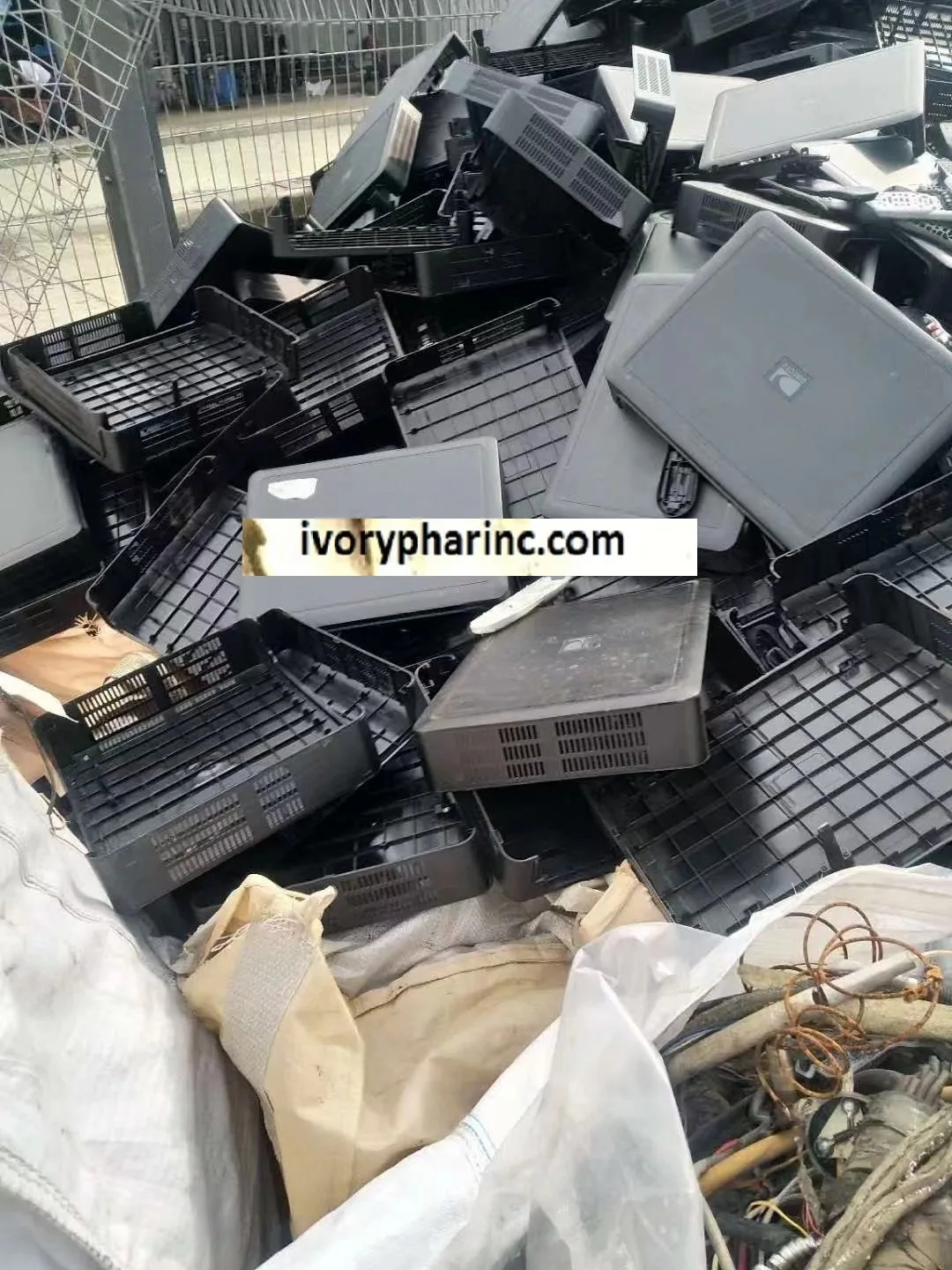
Yes! Acrylonitrile Butadiene Styrene (ABS) is one of the most valuable engineering plastics that can be successfully recycled and reused in a wide range of manufacturing applications. Recycled Acrylonitrile Butadiene Styrene (rABS) is produced from both post-consumer recycled (PCR) and post-industrial recycled (PIR) ABS waste.
Through advanced sorting, shredding, washing, and reprocessing techniques, discarded ABS materials are transformed into high-quality recycled pellets or regrind that retain many of the characteristics of virgin ABS.
Recycled ABS scrap continues to deliver excellent impact strength, toughness, dimensional stability, and heat resistance, making it an environmentally responsible and cost-effective alternative to virgin resin. Today, rABS is widely used across the automotive, electronics, appliance, construction, and consumer goods industries, helping manufacturers reduce production costs while supporting sustainability initiatives and circular economy goals.
Key Properties of Recycled ABS
Physical Properties of Recycled ABS
Recycled ABS typically has a density ranging from 1.03 to 1.07 g/cm³, depending on the formulation and recycled content. It offers excellent dimensional stability, low moisture absorption, and outstanding surface finish, making it suitable for precision-molded components.
Depending on the intended application, recycled ABS is available in several grades, including:
- General-purpose ABS
- High-impact ABS
- Flame-retardant ABS
- Electroplating grades
- Injection molding grades
- Extrusion grades
These various grades allow manufacturers to choose the most appropriate material for their production requirements while maintaining consistent quality and performance.
Mechanical Properties of Recycled ABS
One of the biggest advantages of recycled ABS is its ability to retain strong mechanical performance after recycling. High-quality rABS provides excellent:
- Impact resistance
- Tensile strength
- Rigidity
- Toughness
- Fatigue resistance
- Dimensional stability
The unique composition of ABS contributes to these properties:
- Acrylonitrile provides chemical resistance and heat stability.
- Butadiene delivers exceptional impact strength and flexibility.
- Styrene contributes rigidity, surface finish, and ease of processing.
Modern recycling methods help preserve these characteristics, allowing recycled scrap ABS to perform similarly to virgin material in many industrial applications.
Chemical Properties of Recycled ABS
Recycled ABS offers good resistance to many chemicals commonly encountered during normal service conditions, including:
- Diluted acids
- Alkalis
- Oils
- Greases
- Salt solutions
However, ABS can be affected by strong organic solvents such as acetone, ketones, esters, and certain chlorinated hydrocarbons. Like virgin ABS, recycled ABS is naturally combustible, although flame-retardant additives can significantly improve fire performance for electrical and automotive applications.
With proper stabilization during recycling, rABS also demonstrates good thermal stability and weather resistance for many indoor and semi-outdoor applications.
Common Applications of Recycled ABS
Recycled ABS is commonly supplied as pellets, granules, flakes, or regrind, making it compatible with standard injection molding, extrusion, and thermoforming equipment. Its versatility allows manufacturers to produce high-quality finished products while reducing reliance on virgin plastics.
Automotive Industry
The automotive sector is one of the largest users of recycled ABS because of its excellent balance of strength, weight, and durability.
Common automotive applications include:
- Dashboard components
- Door panels
- Interior trim
- Center consoles
- Pillar covers
- Mirror housings
- Wheel covers
- Air vent assemblies
- Glove compartments
- Seat components
- Instrument panels
- Door handles
- Protective covers
The use of recycled ABS helps vehicle manufacturers reduce weight, improve sustainability, and lower manufacturing costs without sacrificing performance.
Electronics Industry
Recycled scrap ABS has become a preferred material for electronic products because of its excellent electrical insulation properties, dimensional accuracy, and attractive surface finish.
Typical electronic applications include:
- Laptop housings
- Computer monitors
- Keyboard frames
- Television bezels
- Printer components
- Gaming console shells
- Remote controls
- Router housings
- Power tool casings
- Electrical enclosures
- Small appliance housings
Many major electronics manufacturers now incorporate recycled ABS into their products as part of their environmental sustainability commitments.
Consumer Goods
Because scrap ABS combines strength with an attractive appearance, it is widely used in everyday consumer products.
Examples include:
- Luggage shells
- Vacuum cleaner housings
- Toolboxes
- Helmets
- Furniture components
- Kitchen appliance housings
- Storage containers
- Phone cases
- Protective eyewear
- Bicycle accessories
- Sporting equipment
- Toys
- Office products
- Household organizers
Its durability and excellent impact resistance make recycled ABS particularly suitable for products that require long service life.
Benefits of Using Recycled ABS
Environmental Benefits
Recycling ABS provides significant environmental advantages by extending the useful life of plastic materials and reducing dependence on fossil fuel-based virgin resin production.
Key environmental benefits include:
- Reduces plastic waste entering landfills
- Conserves natural resources
- Lowers greenhouse gas emissions
- Reduces energy consumption compared to virgin resin production
- Supports circular economy initiatives
- Promotes responsible waste management
- Helps companies achieve sustainability goals
As environmental regulations become stricter worldwide, recycled ABS plays an increasingly important role in sustainable manufacturing.
Economic Benefits
Recycled ABS offers manufacturers a practical way to reduce production costs while maintaining reliable product performance.
Benefits include:
- Lower raw material costs
- Stable material supply
- Reduced manufacturing expenses
- Improved sustainability credentials
- Compliance with environmental regulations
- Increased market demand for recycled-content products
For many applications, high-quality recycled ABS delivers excellent value without compromising product quality.
Performance Benefits
Advancements in recycling technology have greatly improved the quality and consistency of recycled ABS. Modern processing techniques minimize contamination and preserve the polymer's structural integrity, allowing rABS to achieve performance levels suitable for demanding industrial applications.
Performance can be further enhanced through specialized additives such as:
- Impact modifiers
- UV stabilizers
- Heat stabilizers
- Flame retardants
- Color concentrates
- Processing aids
These enhancements enable recycled ABS to meet the performance requirements of automotive, electrical, industrial, and consumer products.
A Sustainable Choice for Modern Manufacturing
As industries continue to prioritize sustainability, recycled ABS plastic scrap has become an increasingly important engineering material. It combines excellent mechanical performance, reliable processing characteristics, and significant environmental benefits, making it an ideal replacement for virgin ABS in numerous applications.
Whether used in automotive components, electronics, appliances, or consumer products, recycled ABS helps manufacturers reduce costs, lower their environmental footprint, and support a more circular plastics economy. With continuous improvements in recycling technology and material quality, rABS is expected to play an even greater role in the future of sustainable manufacturing.
Website: https://ivorypharinc.com/
Email: [email protected]
#ABSscrap #absplasticscrap #scrapabs #recycledabs