A septic system is one of those essential parts of a home that rarely gets attention until something stops working. Drains may begin to empty slowly, unpleasant smells might appear in the yard, or water could collect around the drain field. These problems can be stressful for homeowners, especially when they happen unexpectedly.
The good news is that many septic issues can be reduced with regular maintenance and a few sensible household habits. Understanding how your system works, knowing when to schedule professional service, and avoiding common mistakes can help you protect your property and prevent unnecessary expenses.
Whether you live in a busy household or a quieter home, taking care of your septic system should be part of your regular property maintenance routine. A little planning today can help you avoid bigger problems in the future.
Why Regular Septic Maintenance Is Important
A septic system treats household wastewater through a combination of settling, bacterial activity, and soil filtration. Wastewater from toilets, sinks, showers, and washing machines enters an underground tank. Inside the tank, heavier solids settle at the bottom, while oils and grease form a floating layer. The remaining liquid flows toward the drain field for further treatment.
Over time, solid waste accumulates inside the tank. If too much builds up, it can interfere with normal operation and potentially move into the drain field. This may cause blockages, poor drainage, or system failure.
Routine maintenance helps remove accumulated waste before it creates serious problems. It also allows a professional to check accessible components and identify concerns that may need attention.
For homeowners, regular service offers several benefits. It can help reduce the likelihood of sewage backups, extend the useful life of system components, and protect the surrounding soil and groundwater. Most importantly, planned maintenance is often easier to manage than an emergency repair.
Warning Signs Your Septic System Needs Attention
Septic systems do not always fail without warning. In many cases, small changes appear before a more serious issue develops. Recognizing these signs can help you arrange professional assistance sooner.
Slow Drains and Plumbing Problems
A slow kitchen sink may simply have a clogged pipe. However, when several sinks, showers, and toilets begin draining slowly at the same time, the problem may involve the main plumbing line or septic system.
Repeated gurgling sounds can also indicate that wastewater is not flowing properly. If basic plumbing maintenance does not resolve the issue, consider arranging a professional inspection.
Persistent Unpleasant Odors
Strong sewage smells near the tank, around the yard, or inside the home should never be ignored. They may indicate a blockage, an overflowing tank, a leak, or another issue affecting the system.
Avoid opening the tank yourself to investigate. Septic tanks can contain dangerous gases, and direct contact with wastewater can expose you to harmful microorganisms.
Standing Water Near the Drain Field
Unexpected wet patches or standing water near the tank or drain field can signal that wastewater is not dispersing as it should. The concern is greater when the ground remains wet during dry weather or when sewage odors are present.
Keep children and pets away from affected areas and contact a qualified septic professional. Adding soil over the wet patch is not a proper solution because it does not address the underlying cause.
Unusual Changes Around the Yard
Grass that grows unusually thick or green above part of the system may indicate excess moisture or nutrients. While this alone does not prove that the septic system is failing, it deserves attention if other warning signs appear.
How Often Should You Schedule Professional Service?
The ideal maintenance schedule depends on your tank's size, the number of people living in the home, water consumption, and the amount of solid waste entering the system.
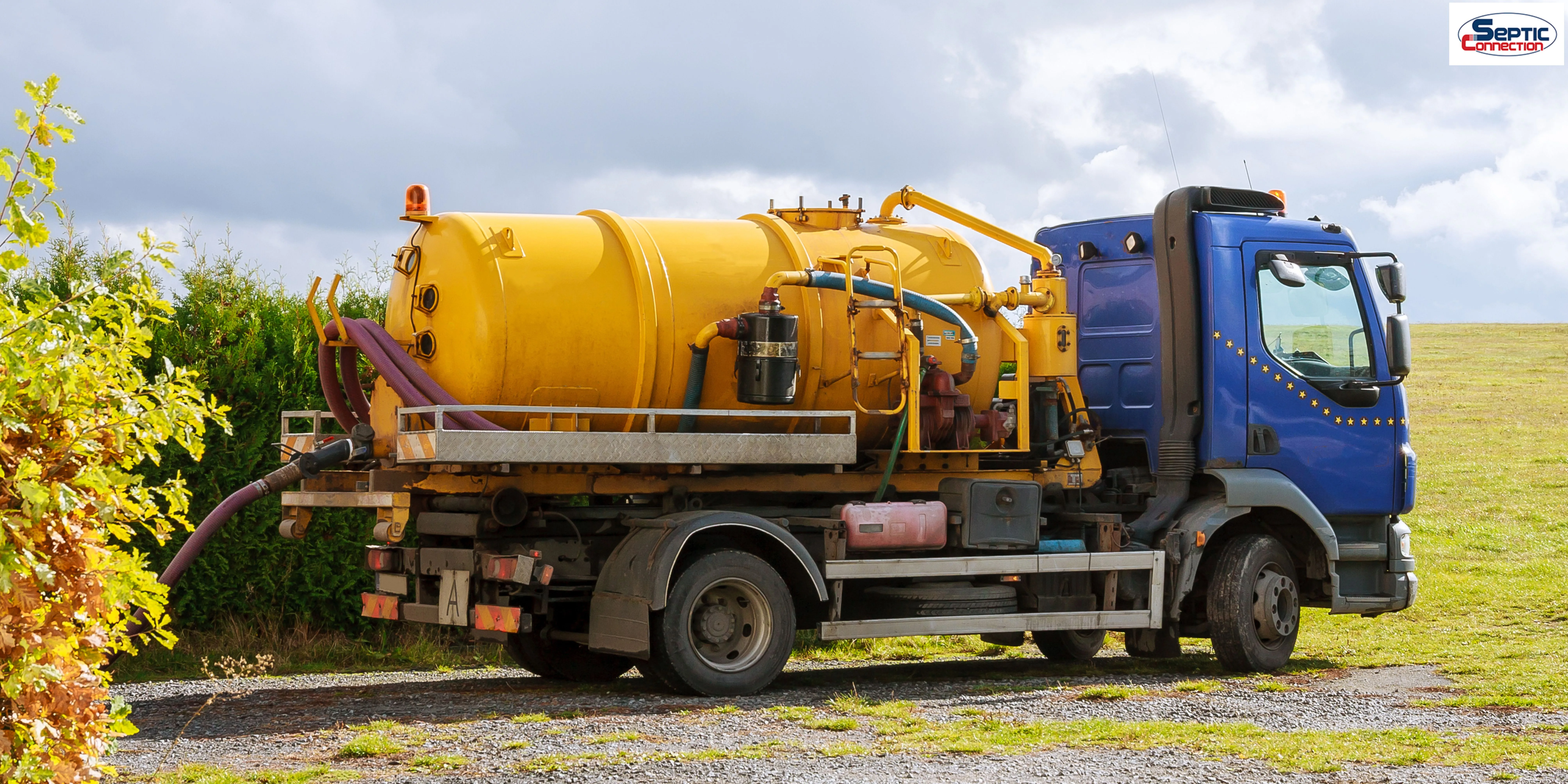
The U.S. Environmental Protection Agency generally recommends having a household septic pumping in Anderson inspected at least every three years. Many household tanks need pumping every three to five years, although some require more frequent service. Your technician can recommend an appropriate schedule based on the system's condition and usage.
Large families often produce more wastewater than smaller households. Frequent laundry loads, leaking plumbing fixtures, and excessive water use can also place additional pressure on a septic system.
If you have recently purchased a property and cannot find previous service records, arrange an inspection to establish the tank's current condition. Keeping track of pumping dates and repairs will make future maintenance easier to plan.
Everyday Habits That Support Better Septic Performance
Professional service is essential, but the way you use your plumbing also affects the system. A few simple habits can help prevent avoidable problems.
Be Mindful of What You Flush
Toilets should receive only human waste and toilet paper. Wipes, sanitary products, paper towels, diapers, and similar materials can cause blockages or increase the amount of waste inside the tank.
Kitchen grease and cooking oil should also stay out of the drain. These substances can contribute to plumbing problems and interfere with normal wastewater treatment.
Avoid pouring paint, solvents, pesticides, or other harmful chemicals into household drains. When disposing of these materials, follow local waste disposal guidelines.
Avoid Sending Too Much Water Into the System
Using large amounts of water over a short period can overwhelm a septic system. Repair leaking faucets and running toilets, choose water-efficient fixtures when practical, and spread laundry loads throughout the week.
These changes help wastewater enter the tank at a manageable rate and give the drain field time to absorb the treated liquid.
Protect the Tank and Drain Field
Do not park vehicles or place heavy equipment over the septic tank or drain field. Excessive weight can damage buried components and compact the soil, affecting its ability to absorb wastewater.
Keep trees with aggressive roots away from underground pipes, and direct roof runoff away from the drain field. Too much surface water can make proper drainage more difficult.
Keep Maintenance Records
Maintain a simple record of inspections, pumping visits, repairs, and professional recommendations. These details can be particularly useful when selling a property or arranging future service.
A documented maintenance history also helps you recognize recurring problems and make better decisions about the system's long-term care.
Choosing Professional Septic Service in Your Area
Finding an experienced service provider is an important part of responsible property ownership. A dependable technician should explain the work being performed, answer your questions, and let you know if additional attention is needed.
When comparing providers, ask about their experience, service procedures, inspection options, and recommendations for future maintenance. Make sure you understand what the quoted price includes and whether any additional work may be necessary.
For homeowners researching septic pumping in Powdersville, choosing a provider who understands the importance of routine maintenance can make managing your system easier. The same approach applies to residents looking for septic pumping, where household needs and system conditions can vary from one property to another.
Septic Connection LLC is a local service provider that homeowners can consider when looking for professional septic care. Whether you need routine maintenance or assistance with a developing problem, clear communication and an appropriate service plan can help you make informed decisions about your property's wastewater system.
Remember that pumping alone does not resolve every septic issue. A damaged tank, blocked pipe, or failing drain field may require separate repairs. Professional evaluation helps identify the right solution instead of relying on guesswork.
Frequently Asked Questions
1. What is the main purpose of septic tank pumping?
Pumping removes accumulated sludge and floating scum from the tank. This helps maintain the tank's capacity and reduces the risk of solids moving into the drain field, where they can cause blockages and damage.
2. Can I tell whether my septic tank is full by looking at the yard?
Not always. Some tanks need pumping without showing obvious symptoms. Slow drains, sewage odors, or wet ground can indicate a problem, but these signs may also have other causes. Regular professional inspections provide a more reliable assessment.
3. Does heavy rain affect a septic system?
Yes. Saturated soil can make it difficult for the drain field to absorb wastewater. During periods of heavy rain, reduce unnecessary water use and avoid driving over the drain field. Contact a professional if sewage surfaces or wastewater backs up into the home.
4. Are household cleaning products safe for septic systems?
Normal household use of cleaning products is generally compatible with a properly maintained system. However, excessive amounts of harsh chemicals and the disposal of hazardous substances through drains can interfere with treatment processes. Follow product directions and avoid pouring chemicals into the system unnecessarily.
5. What should I do if sewage backs up into my home?
Stop using water as much as possible and contact a qualified septic or plumbing professional promptly. Keep children and pets away from contaminated areas, avoid direct contact with sewage, and arrange appropriate cleanup to reduce health risks.
Final Thoughts
A dependable septic system starts with consistent care. Paying attention to warning signs, managing household water use, protecting the drain field, and arranging inspections can help prevent many common problems.
Instead of waiting for a backup or unpleasant odor to appear, make septic maintenance part of your regular home care routine. With timely professional service and responsible everyday habits, you can protect your property, reduce the risk of costly repairs, and support reliable system performance for years to come.