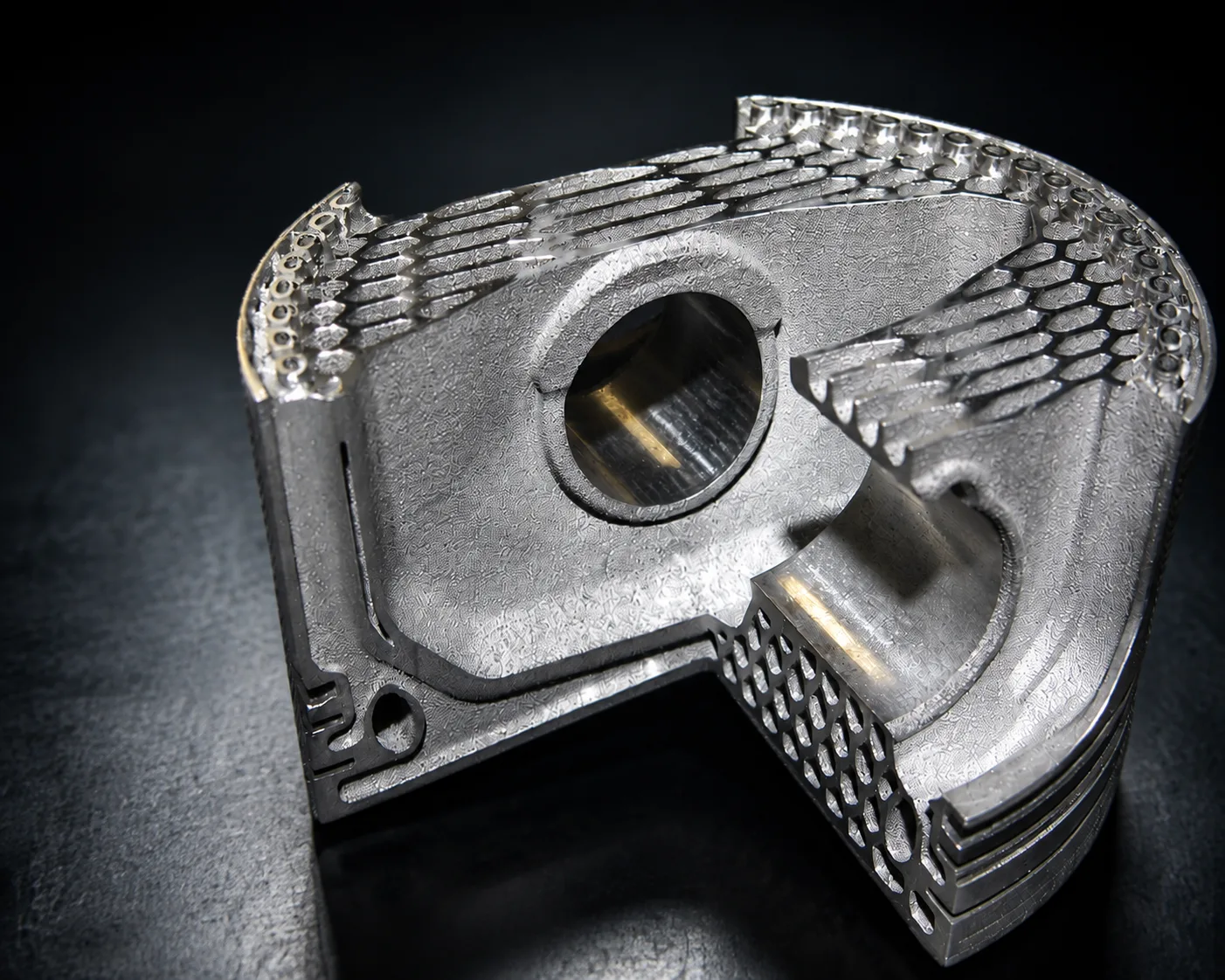
Manufacturing industries are continuously adopting innovative technologies to improve product quality, reduce material waste, and develop complex components more efficiently. Traditional production methods can require extensive machining, specialized tooling, and multiple assembly stages. 3d metal additive manufacturing offers an alternative by building metal components layer by layer from digital designs. This technology enables manufacturers to explore complex geometries, customize products, and produce specialized parts for demanding industrial applications. As material science and printing technologies advance, metal additive manufacturing is becoming an important consideration for businesses seeking greater flexibility and improved manufacturing capabilities.
What Is Metal Additive Manufacturing?
Metal additive manufacturing is a production process that creates three-dimensional metal parts by depositing or consolidating material according to a digital model. Unlike conventional subtractive manufacturing, which removes material from a solid workpiece, additive processes build components through successive layers or controlled material deposition.
Several technologies support this approach, including laser powder bed fusion, electron beam powder bed fusion, directed energy deposition, and binder jetting. Each technology has different operating principles, material requirements, and production capabilities.
The most suitable method depends on factors such as component geometry, material properties, dimensional accuracy, production volume, and final application. Understanding these differences helps manufacturers choose an appropriate process for their engineering requirements.
Key Benefits of Metal Additive Manufacturing
1. Greater Design Freedom
One of the most valuable advantages of metal additive manufacturing is its ability to produce intricate geometries that may be difficult to manufacture using conventional techniques. Internal channels, lightweight lattice structures, and complex component designs can often be created with fewer assembly steps.
This flexibility allows engineers to optimize components for specific performance requirements while developing innovative products that would otherwise be challenging to produce.
2. Improved Material Efficiency
Conventional machining often removes material from a larger workpiece to achieve the desired shape. Additive manufacturing can reduce this material removal by building parts closer to their final geometry.
Although support structures, unused powders, and rejected components can still generate waste, suitable process planning and powder recovery practices may improve material utilization. This is particularly relevant when working with expensive specialty alloys.
3. Faster Prototyping and Development
Product development frequently involves several design revisions before a component reaches its final configuration. Metal additive manufacturing can simplify prototyping by producing physical parts directly from digital models without requiring dedicated tooling for every iteration.
Engineers can evaluate fit, geometry, and functionality before committing to larger production runs. Actual development times depend on design complexity, printing capacity, material availability, and post-processing requirements.
4. Customized Manufacturing
Manufacturers often need components designed for specific operating conditions or customer requirements. Digital manufacturing workflows make it easier to modify designs without creating entirely new molds or tooling.
This capability is useful for specialized industrial equipment, low-volume production, replacement parts, and applications where conventional manufacturing may involve substantial setup costs.
Materials Used in Metal 3D Printing
Material selection plays a major role in determining the performance, durability, and reliability of printed components. Different alloys provide distinct mechanical, thermal, electrical, and chemical properties.
- Aluminum alloys: Suitable for lightweight components where strength-to-weight ratio and thermal performance are important.
- Stainless steel: Offers strength and corrosion resistance for industrial equipment, tooling, and functional components.
- Nickel-based alloys: Used in applications requiring heat resistance, corrosion resistance, or mechanical performance under demanding conditions.
- Copper alloys: Valuable for components requiring electrical or thermal conductivity.
- Tungsten and tantalum: Considered for specialized applications requiring properties such as high density, high-temperature capability, or corrosion resistance, depending on the material and process.
The correct material depends on the component's intended use, manufacturing technology, required properties, and applicable industry standards. Powder characteristics, including particle size distribution, morphology, and chemical composition, can also influence processing consistency and final part quality.
Industries Using Metal Additive Manufacturing
Aerospace and Defense
Aerospace manufacturers use metal additive manufacturing to explore lightweight structures, consolidate assemblies, and produce complex components. Material qualification, inspection, and rigorous testing remain essential for safety-critical applications.
Automotive Manufacturing
Automotive companies use additive processes for rapid prototyping, specialized tooling, design validation, and selected production components. These capabilities can support engineering innovation and reduce reliance on conventional tooling for suitable applications.
Energy and Industrial Equipment
Energy and industrial businesses may benefit from specialized components designed for demanding environments. Additive manufacturing can support complex geometries, customized equipment, and selected replacement parts when material and performance requirements can be met.
Medical Technology
Metal additive manufacturing supports certain medical implants, surgical instruments, and customized devices. These applications require appropriate material validation, biocompatibility assessments, and regulatory compliance.
How to Choose the Right Manufacturing Partner
Selecting a qualified manufacturing partner is important for achieving consistent results. Businesses should evaluate the provider's technical capabilities, material expertise, and quality management procedures before beginning a project.
Consider these factors:
- Technology capabilities: Confirm that the provider offers a process suited to your component's geometry and requirements.
- Material expertise: Review available alloys and their suitability for the intended application.
- Quality assurance: Ask about inspection procedures, material traceability, testing, and relevant certifications.
- Post-processing: Determine whether heat treatment, machining, and surface finishing are available.
- Engineering support: Choose a partner that can help optimize designs and identify potential manufacturing challenges.
A thorough assessment helps businesses manage production risks and select practical manufacturing solutions.
Frequently Asked Questions (FAQs)
1. What is metal additive manufacturing used for?
It is used for prototyping, customized components, complex industrial parts, specialized tooling, and selected end-use products across multiple industries.
2. Which metals can be used in additive manufacturing?
Depending on the technology, materials may include aluminum, stainless steel, nickel-based alloys, copper alloys, titanium, tungsten, and other specialized metals.
3. Is metal additive manufacturing cost-effective?
It can be cost-effective for complex designs, prototypes, customized components, and low-volume production. Overall costs depend on material prices, equipment, production time, finishing, and quality requirements.
4. Are metal 3D-printed components durable?
They can provide excellent mechanical performance when the material, printing parameters, and post-processing are appropriate. Testing is necessary to verify suitability for the intended application.
5. What affects the quality of printed metal parts?
Material composition, powder characteristics, printing parameters, build orientation, defects, and post-processing can all influence final component quality.
Conclusion
Metal additive manufacturing is expanding the possibilities of industrial production through design flexibility, customized manufacturing, and improved material utilization in suitable applications. Understanding printing technologies, material characteristics, and quality requirements helps businesses make informed production decisions. For organizations exploring 3d metal additive manufacturing, working with experienced material suppliers and qualified manufacturing partners can support product innovation, reliable components, and more efficient development processes.