
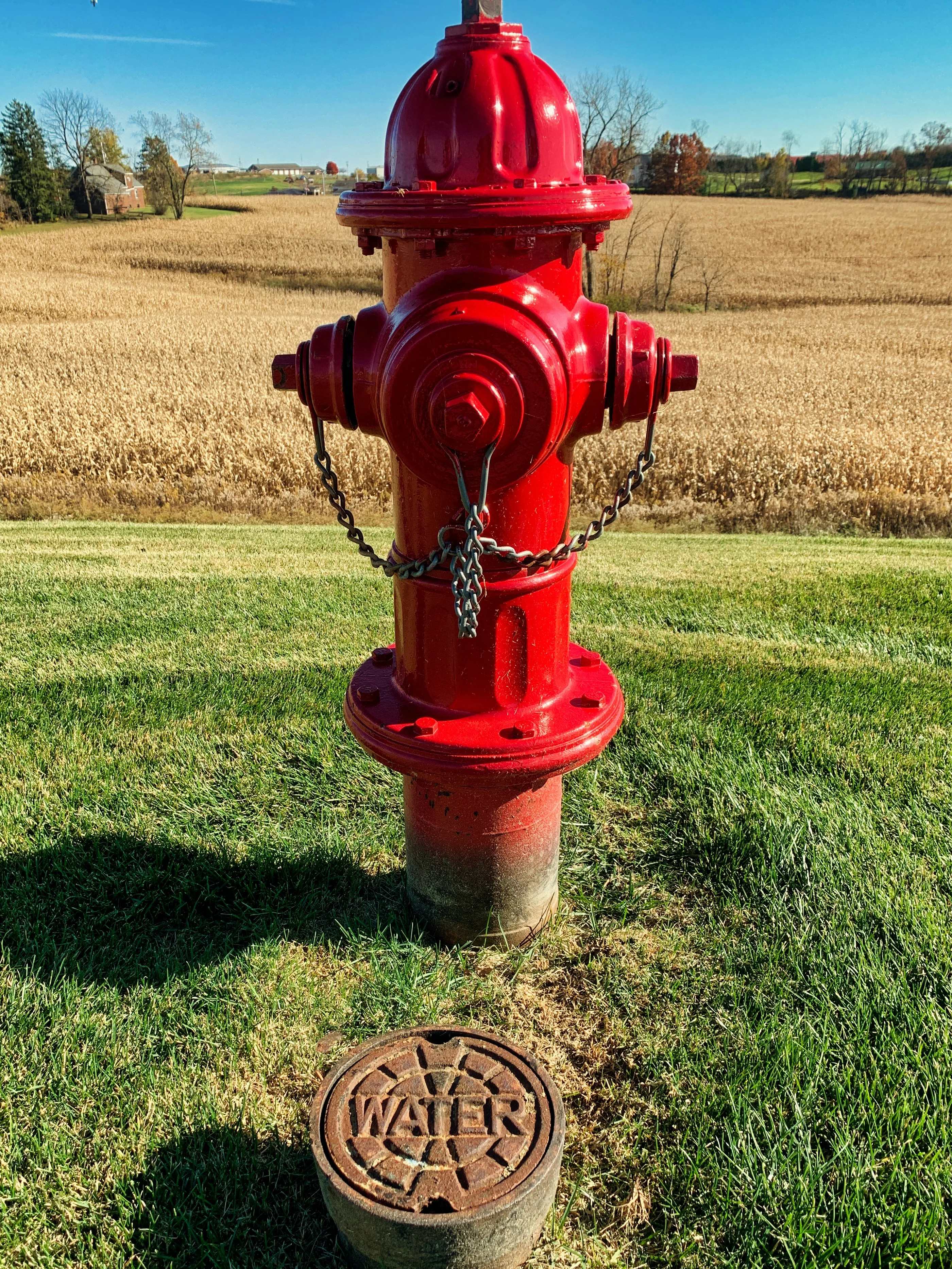
Fire hydrants are essential components of emergency water infrastructure. They need to remain in good working condition so firefighters can access a reliable water supply when an emergency occurs. However, like other mechanical components connected to underground water systems, hydrants can develop leaks over time. Understanding the common causes of fire hydrant leaks and addressing them promptly can help prevent further damage and maintain reliable hydrant performance.
What Causes Fire Hydrant Leaks?
Several problems can cause a fire hydrant to leak. Some issues are related to internal components, while others result from age, corrosion, physical damage, or problems with the connected water system.
1. Worn or Damaged Seals
Seals and gaskets help prevent water from escaping through the hydrant's connections and operating components. Over time, these parts can wear out, become brittle, or lose their ability to create a proper seal.
A worn gasket may result in a slow leak around a cap, stem, or other hydrant component. Replacing the damaged seal may resolve the problem without requiring complete hydrant replacement.
2. Damaged or Worn Valves
The valve is one of the most important components inside a fire hydrant. If the valve does not close properly, water may continue flowing through the hydrant even when it is supposed to be shut.
Valve problems can result from normal wear, corrosion, debris, or mechanical damage. A professional fire hydrant inspection can help determine whether the valve needs adjustment, repair, or replacement.
3. Corrosion and Rust
Outdoor hydrants are exposed to moisture, temperature changes, road salt, and other environmental conditions. Over time, corrosion can affect external and internal components.
Severe corrosion may weaken the hydrant body, damage threads, or interfere with valve operation. Minor corrosion may be addressed during routine fire hydrant maintenance, while severely deteriorated components may require replacement.
4. Physical Damage
Hydrants located near roads, parking areas, construction sites, or other high-traffic locations can be damaged by vehicles or equipment.
A collision can crack the hydrant body, damage connections, or affect the operating mechanism. Even if the hydrant appears functional after an impact, it should be professionally inspected to determine whether hidden damage has occurred.
5. Improper Operation or Lack of Maintenance
Fire hydrants require periodic inspection and maintenance to remain dependable. When maintenance is neglected, small issues can develop into larger problems.
Difficult-to-operate valves, damaged caps, worn seals, and corrosion may go unnoticed without regular inspection. Preventive maintenance allows these conditions to be identified and addressed before they lead to significant leaks or operating failures.
How Can a Leaking Fire Hydrant Be Fixed?
The appropriate repair depends on the location and severity of the leak. A qualified fire hydrant repair contractor should inspect the hydrant before determining the correct solution.
Inspect the Hydrant First
The first step is identifying where the water is coming from. A professional inspection can determine whether the leak is associated with a cap, gasket, valve, operating stem, barrel, or another component.
The hydrant may also need to be evaluated for corrosion, physical damage, and proper operation.
Replace Worn Seals and Gaskets
If the leak is caused by a damaged gasket or seal, replacing the affected component may be enough to restore proper performance.
This type of repair is generally more straightforward than replacing an entire hydrant, but the work should still be completed by a qualified professional to ensure the component is installed correctly.
Repair or Replace Damaged Valves
When a valve does not close correctly, the contractor may need to repair or replace the affected valve components. The hydrant should then be tested to verify that it operates correctly and no longer leaks.
If internal components are severely deteriorated, replacing them may provide a more reliable long-term solution.
Address Corrosion or Structural Damage
Minor corrosion may be addressed through maintenance and component replacement. However, if corrosion has significantly weakened the hydrant body or other structural components, fire hydrant replacement may be the safer and more practical option.
Similarly, a hydrant that has sustained significant impact damage may require replacement rather than repeated repairs.
Why Prompt Fire Hydrant Repair Matters
A leaking hydrant should not simply be ignored. Even a small leak can indicate a problem with an internal component or valve. If the underlying issue continues, it may become more serious and affect the hydrant's ability to function properly.
Regular fire hydrant testing and maintenance can help identify leaks and other performance issues before they become major problems.
Property owners and responsible authorities should also ensure that hydrants remain accessible and visible. Obstructions, landscaping, parked vehicles, or construction materials can make it harder for emergency personnel to locate and use a hydrant.
When Should a Fire Hydrant Be Replaced?
Not every leak means the entire hydrant needs to be replaced. Repair may be appropriate when the issue involves an individual gasket, seal, valve component, or other replaceable part.
However, fire hydrant replacement may be considered when the hydrant has severe corrosion, extensive physical damage, repeated failures, or significant structural deterioration.
A professional inspection can help determine whether repair is practical or whether replacement would provide a more dependable solution.
Professional Fire Hydrant Services in Maryland
Seadmok Water Construction LLC provides fire hydrant preventative maintenance services in Maryland as part of its water and sewer infrastructure services. Professional maintenance and inspection can help property owners identify leaks, worn components, and other hydrant issues before they affect performance.
Whether a hydrant requires inspection, maintenance, repair, or replacement, working with an experienced fire hydrant service contractor in Maryland can help ensure the appropriate solution is selected.
Final Thoughts
Fire hydrant leaks can result from worn seals, damaged valves, corrosion, physical impacts, or insufficient maintenance. While some leaks can be resolved through targeted repairs, severely damaged or deteriorated hydrants may require replacement.
The best way to prevent recurring problems is through regular fire hydrant inspection, testing, and preventive maintenance. Addressing leaks early can help maintain dependable emergency water access and keep fire protection infrastructure ready when it is needed most.