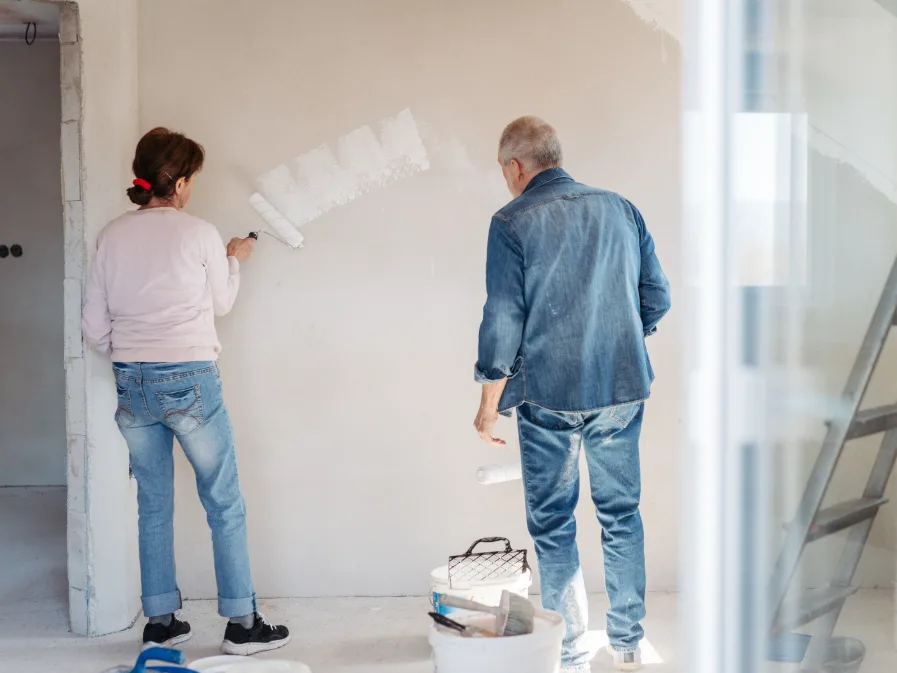
1. Size and Layout of the Property
The size of a house is one of the main factors that determines how long a painting project will take. A small home with fewer rooms may require only a few days, while a larger property with multiple bedrooms, bathrooms, hallways and living areas can take considerably longer. The total surface area of the walls, ceilings, doors and trims also influences the overall timeframe.
For homeowners planning residential painting, it is important to consider the property's layout as well as its size. Open plan spaces may be easier to paint because they have fewer corners and partitions. However, houses with narrow hallways, staircases, high ceilings and multiple levels often require additional preparation and careful access arrangements.
2. Condition of Walls and Other Surfaces
The existing condition of the surfaces can significantly affect the time needed to complete a painting project. Walls that are smooth, clean and well maintained usually require less preparation than surfaces with cracks, peeling paint, water stains or damaged plaster.
Common Surface Preparation Tasks
Before applying paint, professional painters may need to complete several preparation tasks, including:
- Filling cracks, holes and minor imperfections.
- Sanding uneven surfaces to achieve a smooth finish.
- Removing loose or peeling paint.
- Cleaning walls to remove dust, grease and other contaminants.
- Applying primer to suitable surfaces where required.
Each task adds time to the schedule, particularly when damage is widespread. For example, a house that has not been repainted for many years may need extensive repairs before painting can begin. Allowing sufficient time for preparation helps create a more durable and consistent finish.
3. Type of Paint and Number of Coats
The type of paint selected and the number of coats required can influence the project's duration. Some paints provide good coverage in fewer coats, while others may need additional applications to achieve the desired colour and appearance.
Changing from a dark wall colour to a much lighter shade can require extra coats, especially when the existing colour shows through the new finish. Similarly, painting previously unpainted surfaces or covering stains may require an appropriate primer before the topcoat is applied.
Drying Time Between Coats
Paint must be allowed to dry according to the manufacturer's instructions before another coat is applied. Although some water based paints dry relatively quickly, drying times can vary depending on the product, temperature, humidity and airflow.
Professional painters need to account for these intervals when planning their work. Applying another coat too early can affect the finish and lead to unnecessary rework. The overall schedule should therefore include both application time and the required drying periods.
4. Weather Conditions and Ventilation
Weather conditions can have a considerable impact on painting schedules, particularly when exterior surfaces are involved. Rain, high humidity, strong winds and extreme temperatures may prevent painters from working safely or applying paint under suitable conditions.
Exterior painting generally requires dry surfaces and weather that falls within the paint manufacturer's recommended temperature range. If rain is forecast or the walls remain damp, the work may need to be postponed until conditions improve.
Indoor painting can also be affected by humidity and poor ventilation. Rooms with limited airflow may take longer to dry, extending the time between coats. Opening suitable windows and improving ventilation can help, provided the conditions remain appropriate for the paint being used.
5. Interior and Exterior Painting Requirements
Painting the interior and exterior of an entire house involves different processes, equipment and preparation requirements. Interior projects may include bedrooms, kitchens, bathrooms, ceilings, doors, skirting boards and window frames. Each area can require a different application method and level of detail.
Exterior painting often involves additional work, such as cleaning external walls, preparing weatherboards, treating deteriorated surfaces and accessing elevated areas. Depending on the property, painters may also need ladders, scaffolding or specialised equipment.
Areas That Require Extra Attention
Certain parts of a house can take longer to paint because of their shape, height or level of detail. These include decorative mouldings, intricate trims, stairwells, textured walls and areas around windows and doors.
Bathrooms and kitchens may also require suitable coatings and careful preparation because these rooms are exposed to moisture, grease and frequent cleaning. The specific requirements of each surface can influence the amount of time needed to complete the project properly.
6. Number of Painters Working on the Project
The size of the painting team can affect how quickly a house is completed. A larger team may be able to prepare different rooms simultaneously, apply coatings across several areas and reduce the total working time.
However, adding more painters does not always reduce the duration in direct proportion to the team size. Some tasks must be completed in sequence, such as surface preparation, priming and applying subsequent coats. Limited space can also make it difficult for several workers to operate efficiently in the same room.
An experienced team can organise tasks effectively, minimise unnecessary delays and maintain consistent workmanship throughout the property.
7. Furniture, Access and Household Arrangements
Furniture and personal belongings can affect how easily painters move around a property. Rooms filled with furniture may require additional time to cover, protect and reposition items before work begins. Floors, fixtures, electrical fittings and other surfaces also need suitable protection against paint splashes.
Homeowners can help streamline the process by removing small items, clearing access to walls and arranging suitable storage for furniture where possible.
Painting an occupied home may require a different schedule from painting a vacant property. Painters might need to work room by room so residents can continue using essential areas. Pets, children and restricted access can also influence how the work is organised.
8. Repairs, Special Finishes and Unexpected Delays
Additional repairs and decorative finishes can extend the project beyond its original schedule. Extensive plaster repairs, water damaged walls, timber restoration and replacement of deteriorated materials may need to be completed before painting can proceed.
Special finishes, feature walls and detailed colour arrangements may also require more careful application than standard painted surfaces. Unexpected issues can arise once old paint is removed or damaged areas are examined more closely.
A detailed assessment before work begins helps establish a realistic timeframe. Discussing the scope, preparation requirements, number of coats and access arrangements with the painting contractor can also reduce the likelihood of scheduling problems.
Frequently Asked Questions
1. How Long Does It Take to Paint an Entire House?
The timeframe depends on the house size, surface condition, number of painters and scope of work. A smaller home may take several days, while a larger property requiring extensive preparation and both interior and exterior painting may take considerably longer.
2. Does Interior Painting Take Less Time Than Exterior Painting?
Not always. Interior painting may involve multiple rooms, ceilings, trims and detailed finishes. Exterior painting can require extensive surface preparation, elevated access and suitable weather. The time required depends on the property's condition and the work involved.
3. Can I Reduce the Time Required to Paint My House?
Yes. Clearing furniture, removing personal belongings from work areas, confirming colour choices early and arranging necessary repairs before the project starts can help reduce delays. Hiring an experienced painting team can also improve scheduling and workflow.
4. Why Is Surface Preparation Important for a Painting Project?
Surface preparation helps paint adhere properly and creates a smoother, more consistent finish. Cleaning, sanding, filling cracks and applying primer where necessary can also help prevent premature peeling and other paint defects.