A dark loft, a stuffy attic bedroom or a landing with no natural light can change completely once a roof window goes in. That is why Velux window installation is one of the most popular home improvements across the UK, from period cottages in Dorset to modern family homes in Poole and Bournemouth.
The questions most homeowners ask are practical ones. What will it cost, what changes the price, and does it make financial sense? This guide covers all three.
What Is a Velux Window?
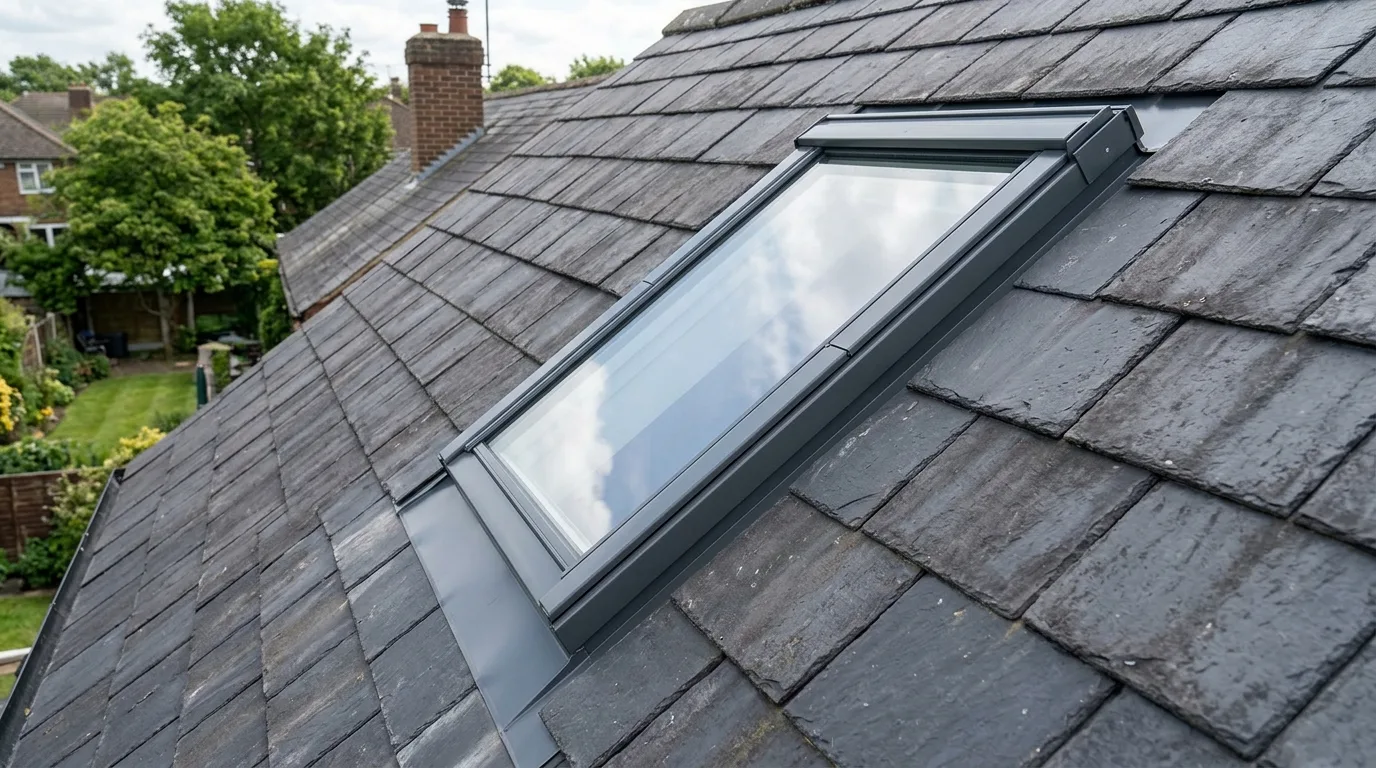
Velux is the best-known manufacturer of roof windows, and the name is often used for any window set into a sloping roof. Unlike a dormer, which projects out from the roof, a roof window sits flush with the roof slope. It brings in more daylight than a vertical window of the same size, and it is usually quicker and less disruptive to install.
Roof windows suit lofts, attic conversions, bathrooms, landings, kitchens, and extensions with pitched roofs. Other brands such as Keylite and Fakro are also widely fitted in the UK, and the installation principles are much the same.

How Much Does Velux Window Installation Cost in the UK?
Prices vary with window size, roof type, access and location, but these are typical ranges for supply and fit:
Installation typeTypical cost (supply and fit)Like-for-like replacement of an existing roof window£500 – £1,200New standard roof window in a loft (new opening in the roof)£1,000 – £2,200Larger or centre-pivot window with structural trimming£1,500 – £2,800Electric or solar-powered opening window£1,800 – £3,500Multiple windows installed in one projectLower cost per windowScaffolding or an access tower is often an extra £400 to £1,000 on top, depending on the property. Internal finishing such as plastering, decorating, blinds and insulation upgrades may also sit outside the quote. Always ask what is included.
Prices are indicative and vary by region and specification. For a more detailed breakdown, see this guide to the cost of installing a Velux roof window. A written quote after a site visit is the only reliable figure.
What Affects the Cost of a Roof Window Installation?

- Replacement or new opening. Swapping an existing window is straightforward. Cutting a new opening means altering rafters, adding trimmers, fitting a flashing kit and making good the interior, which adds labour and materials.
- Window size and type. Larger panes cost more to buy and to lift into position. Top-hung, centre-pivot, balcony-style and fixed rooflights are priced differently.
- Glazing specification. Double glazing is standard, while triple glazing, laminated safety glass, noise-reducing panes and enhanced energy-efficiency glass all cost extra but can improve comfort noticeably.
- Roof covering. Slate, plain clay tiles and interlocking concrete tiles each need the correct flashing kit. Natural slate and older roofs usually need more careful work.
- Access and height. A two-storey home with limited access costs more than a bungalow with a clear drive.
- Structural and insulation work. If rafters need strengthening or the roof lacks adequate insulation, those costs are added. Good insulation around the frame matters because poor detailing is a common cause of condensation and heat loss.
- Controls and extras. Electric operation, rain sensors, remote controls, blackout blinds and roller shutters add to the total, though many homeowners find them worthwhile in bedrooms.
Do You Need Planning Permission or Building Regulations Approval?
In many cases, installing a roof window falls under permitted development, provided it doesn’t protrude more than 150mm from the plane of the roof and sits no higher than the highest part of the roof. The main exceptions are:
- Listed buildings
- Properties in conservation areas or areas of outstanding natural beauty, where rules are tighter
- Flats and maisonettes, which don’t have the same permitted development rights
- Windows on a roof slope facing a highway in some Article 4 areas
Building regulations are a separate matter. Replacing a window like for like is usually covered by a competent person scheme such as FENSA, but creating a new opening or converting a loft typically requires building control approval. This covers structure, thermal performance (Part L), ventilation, and fire safety and escape routes (Part B) for habitable loft rooms. It is best to confirm requirements with your local council before work starts.
Does a Velux Window Add Value to Your Home?
Generally, yes, especially when it turns unused space into a usable room.

A roof window on its own won’t add a fixed percentage to your property price, but the space it unlocks can. Lofts with proper natural light and compliant access are often far more appealing to buyers, and a well-executed loft conversion is commonly cited by estate agents and lenders as one of the better-value improvements, sometimes adding in the region of 15% to 20% depending on location and quality.
Beyond resale value, there are everyday benefits:
- More natural light. Roof windows can let in substantially more daylight than a vertical window of the same size.
- Better ventilation. Opening roof windows help release warm, damp air, which is useful in bathrooms and top-floor bedrooms.
- Lower lighting costs. Daylight reduces the need for artificial lighting during the day.
- Brighter, healthier rooms. Light makes small rooms feel larger and more welcoming.
- Improved energy performance. Modern glazing and correct insulation keep heat in during winter, though poor installation can undo these gains.
The value only holds if the work is done properly. A leaking or badly sealed window can cause damp, rot and costly repairs, which is why the installer matters as much as the product.
Common Mistakes to Avoid
- Choosing on price alone. A very low quote often means cheaper flashing, poor insulation detailing or skipped weatherproofing.
- Wrong flashing kit. Each roof covering needs a matching kit, and the wrong one is a common cause of leaks.
- Ignoring overheating. South-facing roof windows can heat a room in summer, so consider blinds, solar control glass or external awnings.
- Skipping the regulations check. Unapproved alterations can cause problems when you sell.
- Positioning the window badly. Placement affects light, headroom, views and furniture layout, so plan it before installation day.
Should You Hire a Roofer or a General Builder?
A roof window is a hole in your weatherproofing layer. The work involves roof structure, tiling, flashing and waterproofing as much as carpentry, so an experienced roofing contractor is usually the safer choice. Look for:
- Proven experience installing roof windows on your type of roof
- A clear, itemised written quote
- Public liability insurance
- Local references or reviews
- Guarantees on workmanship, alongside the manufacturer’s product warranty
Extreme Pro Roofing works with homeowners across Dorset on roof repairs, replacements and roof window installations. If you’re planning a project, you can check current Velux roof window installation costs before requesting a site-specific quote.
Conclusion
For most homes, a Velux or similar roof window is a worthwhile investment. It brings in daylight, improves ventilation and can make a loft or landing far more usable, which is where the real value comes from. The key is getting the specification and the installation right. Compare two or three itemised quotes, check whether planning or building control approval applies, and choose glazing that suits the room’s orientation.
Frequently Asked Questions
How long does it take to install a Velux window?
A like-for-like replacement can take a few hours to half a day. A new opening typically takes one to two days, plus extra time for internal finishing.
Can a Velux window be installed in any roof?
Most pitched roofs can take one, but the pitch, rafter spacing and covering all affect what is possible. Very low pitches may need a specific window type.
Do Velux windows leak?
Properly installed ones with the correct flashing kit should not. Leaks are nearly always the result of installation faults or worn seals on older units.
How long do roof windows last?
With proper maintenance, many last 25 years or more, though seals, hinges and glazing units may need attention sooner.