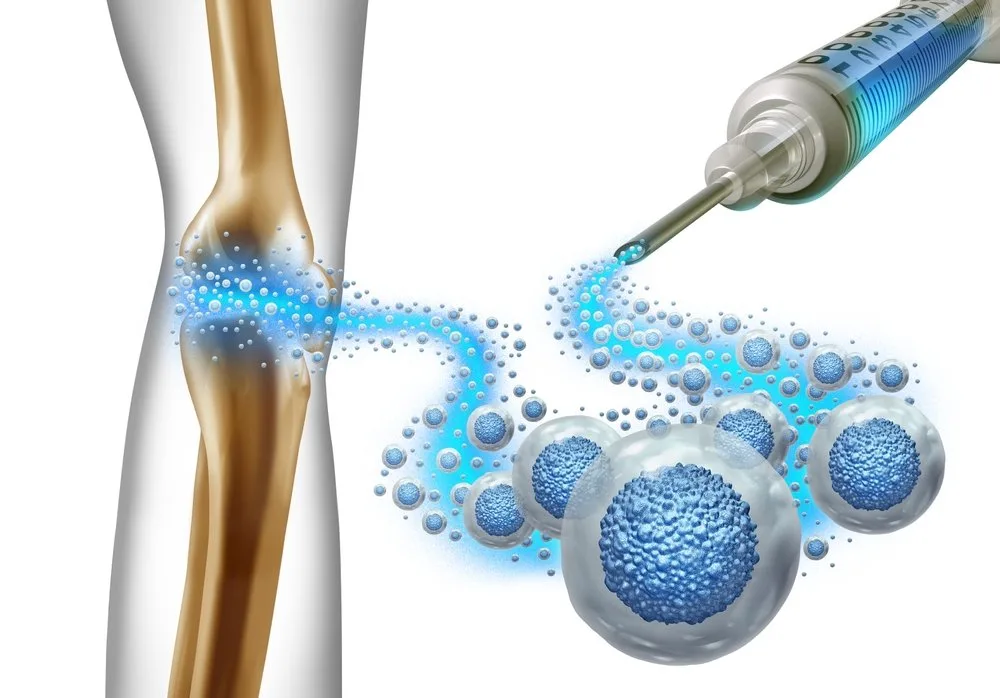
Arthritis affects millions of people worldwide, causing joint pain, stiffness, swelling, and reduced mobility that can interfere with everything from walking to sleeping. Conventional treatments such as pain relievers, anti-inflammatory medications, physical therapy, and steroid injections can ease symptoms, but they rarely address the cartilage and tissue changes behind the condition. This gap has led researchers and patients to take a closer look at Stem Cell Therapy for Arthritis as a regenerative approach that aims to support the joint environment rather than simply mask discomfort. Understanding what the research shows, where it remains uncertain, and how safety factors in is essential before considering treatment. At Longevity Medical Institute, honest, evidence-informed education is a core part of responsible regenerative care.
Understanding Arthritis at the Joint Level
Osteoarthritis, the most common form of arthritis, involves gradual breakdown of cartilage, the smooth tissue that cushions joints. As cartilage thins, bones rub together, inflammation increases, and the joint becomes painful and stiff. Chronic low-grade inflammation and reduced tissue repair capacity also play a role. Because cartilage has limited blood supply, it heals poorly on its own, which is why damage tends to progress over time. This biology explains why regenerative options have attracted so much scientific interest.
How Stem Cells Are Believed to Work in Joints
Mesenchymal stem cells (MSCs) are the cell type most often studied for joint conditions. Rather than simply replacing damaged cartilage, they are believed to work largely through signaling, releasing growth factors and anti-inflammatory molecules that influence the surrounding tissue. In the context of Stem Cell Therapy for Arthritis, researchers are studying whether this signaling can calm joint inflammation, support tissue repair, and improve the environment in which existing cartilage cells function. Exosomes, the signaling vesicles released by stem cells, are also being explored alongside cells as a complementary approach.
Potential Benefits Being Studied
Research has examined several possible benefits, though evidence strength varies:
- Reduction in joint pain, particularly in knee osteoarthritis
- Improved joint function and range of motion
- Lower levels of inflammatory markers within the joint
- Possible support for cartilage quality, as seen in some imaging studies
- Reduced reliance on pain medications for some patients
- Potential to delay more invasive procedures in selected cases
It is important to understand that these are potential benefits observed in some studies, not guaranteed outcomes for every patient.
What the Research Currently Shows
Orthopedic applications have more clinical data than many other areas of regenerative medicine, and several studies report meaningful improvements in pain and function following MSC injections for knee osteoarthritis. However, results are not uniform. Trials differ in cell source, dosing, injection technique, and patient selection, which makes direct comparison difficult. Some studies show modest or short-lived effects, and evidence that cartilage fully regenerates remains limited. A fair summary is that Stem Cell Therapy for Arthritis shows promise for symptom relief in certain patients, while its long-term effects and ideal protocols are still being studied.
Safety Considerations Patients Should Understand
Safety depends on several factors, including provider licensing, physician experience, cell sourcing, laboratory quality control, and thorough patient screening. When performed by experienced physicians using properly processed cells in a regulated setting, joint injections are generally considered minimally invasive and well tolerated. Possible effects include temporary pain, swelling, or stiffness at the injection site, and, rarely, infection or inflammatory reactions. Patients should discuss their individual risk factors, including other health conditions and current medications, during consultation.
Considering Treatment Abroad
Many patients exploring regenerative joint care look into Stem Cell Therapy in Mexico because of broader protocol availability and more accessible pricing. Quality varies by individual provider rather than by country, so verifying facility licensing, physician credentials, laboratory standards, and transparency about cell sourcing is far more important than geography. Reputable clinics will share this information openly and avoid guaranteeing results.
Who May Be a Candidate
Candidacy depends on the type and severity of arthritis, overall health, prior treatments, and individual goals. Patients with mild to moderate osteoarthritis are often discussed as more suitable candidates than those with advanced, bone-on-bone joint damage, though this varies. A thorough evaluation, which may include imaging, helps clarify what is realistic. Some patients choose to pair joint care with broader screening, such as a full body MRI scan mexico appointment, to better understand their overall musculoskeletal and general health.
What the Treatment Process Typically Involves
At Longevity Medical Institute, the process begins with a comprehensive evaluation of medical history, symptoms, prior treatments, and relevant imaging. This allows the care team to determine candidacy and design a personalized protocol. Depending on the plan, cells may be derived from the patient's own tissue or from ethically sourced umbilical cord tissue, processed under controlled laboratory conditions, and delivered through targeted joint injection, sometimes combined with exosomes. Procedures are generally minimally invasive with limited downtime.
Setting Realistic Expectations
Joint healing is gradual. Where improvements occur, patients typically notice changes over several weeks to months, and results vary with age, arthritis severity, and overall health. Exercise, weight management, and physical therapy remain important and work best alongside, not in place of, any regenerative treatment.
Final Thoughts
Understanding Stem Cell Therapy for Arthritis means recognizing both its promise and its limits. While research suggests potential for reducing pain and inflammation in some patients, outcomes vary, and safety depends heavily on provider quality and proper protocols. By focusing on evidence, transparency, and realistic expectations, patients can make more confident decisions about their joint health. Longevity Medical Institute remains committed to providing honest, personalized guidance for everyone exploring regenerative options.
Frequently Asked Questions
1. Can stem cell therapy cure arthritis?
No. Current research does not show that it cures arthritis. It is studied as a way to potentially reduce inflammation and support joint function.
2. How long does it take to see results?
Where improvements occur, they usually develop gradually over several weeks to months rather than immediately.
3. Is the procedure painful?
Most patients experience only temporary discomfort at the injection site, though experiences vary.