The hospitality industry is entering a new era where convenience, safety, and speed define the guest experience. Traditional check-in desks, physical keys, and manual visitor records are gradually being replaced by digital systems designed to simplify hotel operations and improve security. As travelers increasingly expect frictionless experiences, hotels are investing in smarter technologies that reduce wait times while offering a more personalized stay.
One of the biggest shifts driving this transformation is the adoption of contactless access solutions. From mobile-based room entry to automated visitor management, these innovations are helping hotels create safer and more efficient environments for both guests and staff.
The Growing Demand for Contactless Hospitality Experiences
Modern travelers prefer experiences that are fast, simple, and secure. Long queues at reception desks or repeated identity verification processes can negatively impact guest satisfaction. At the same time, hotel operators face increasing pressure to manage staffing challenges, operational costs, and security concerns efficiently.
This is where digital access technologies are proving valuable. Hotels are using automation to streamline check-ins, room access, visitor approvals, and guest communication without compromising service quality.
The growing popularity of the Smart Hotel Solution approach reflects this industry-wide shift toward intelligent and automated hospitality management. These systems combine digital tools, cloud-based management, and mobile technologies to create a seamless guest journey from arrival to departure.
How Contactless Access Solutions Work?
Contactless entry solution allow guests to complete important hotel processes using smartphones, kiosks, QR codes, or digital credentials. Instead of relying on physical interaction at every step, guests can manage most services independently.
The process usually begins before arrival. Guests receive booking confirmations, digital verification requests, and check-in instructions through mobile platforms. Once verified, they may receive a digital room key or QR code that grants secure access to designated areas.
Hotels using Contactless Hotel Check-In systems can significantly reduce front desk congestion while improving operational speed. Guests appreciate the ability to bypass long queues and access their rooms within minutes of arrival.
These systems also minimize human errors often associated with manual record management or physical key handling.
Enhancing Security Through Intelligent Access Control
Security remains one of the most important priorities in the hospitality industry. Hotels accommodate hundreds or even thousands of visitors every month, making proper access monitoring essential.
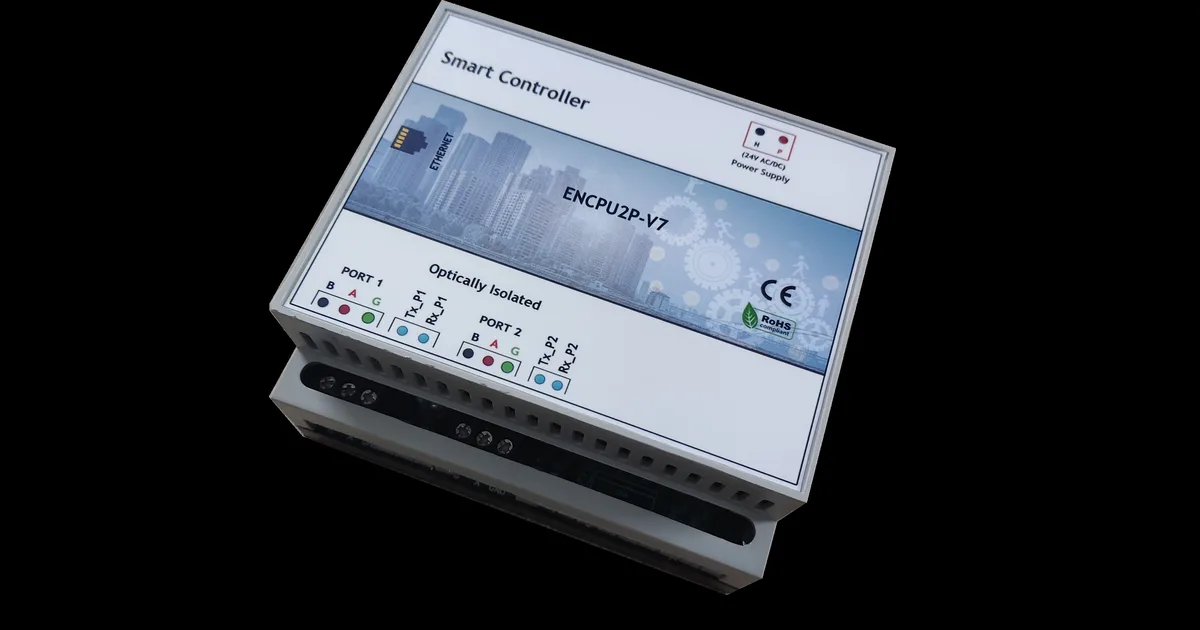
An advanced Access Control System helps hotels regulate entry to rooms, elevators, parking spaces, restricted areas, and staff-only zones. Instead of traditional lock-and-key mechanisms, digital systems use encrypted credentials and real-time authentication to improve security standards.
One major advantage of modern access control is visibility. Hotel administrators can monitor who enters specific areas, track access activity, and revoke permissions instantly if needed. This reduces risks related to lost keys, unauthorized access, or outdated guest credentials.
Additionally, integrated systems can automatically sync with booking platforms, ensuring that room access remains active only for the duration of a guest’s stay.
Improving Guest Convenience and Satisfaction
Guest expectations are changing rapidly. Travelers no longer evaluate hotels based only on room quality or amenities. Convenience and digital accessibility now play a major role in overall satisfaction.
Contactless technologies allow guests to enjoy a smoother experience with fewer interruptions. Mobile-based check-ins, digital room access, automated payments, and instant service requests reduce dependency on manual support.
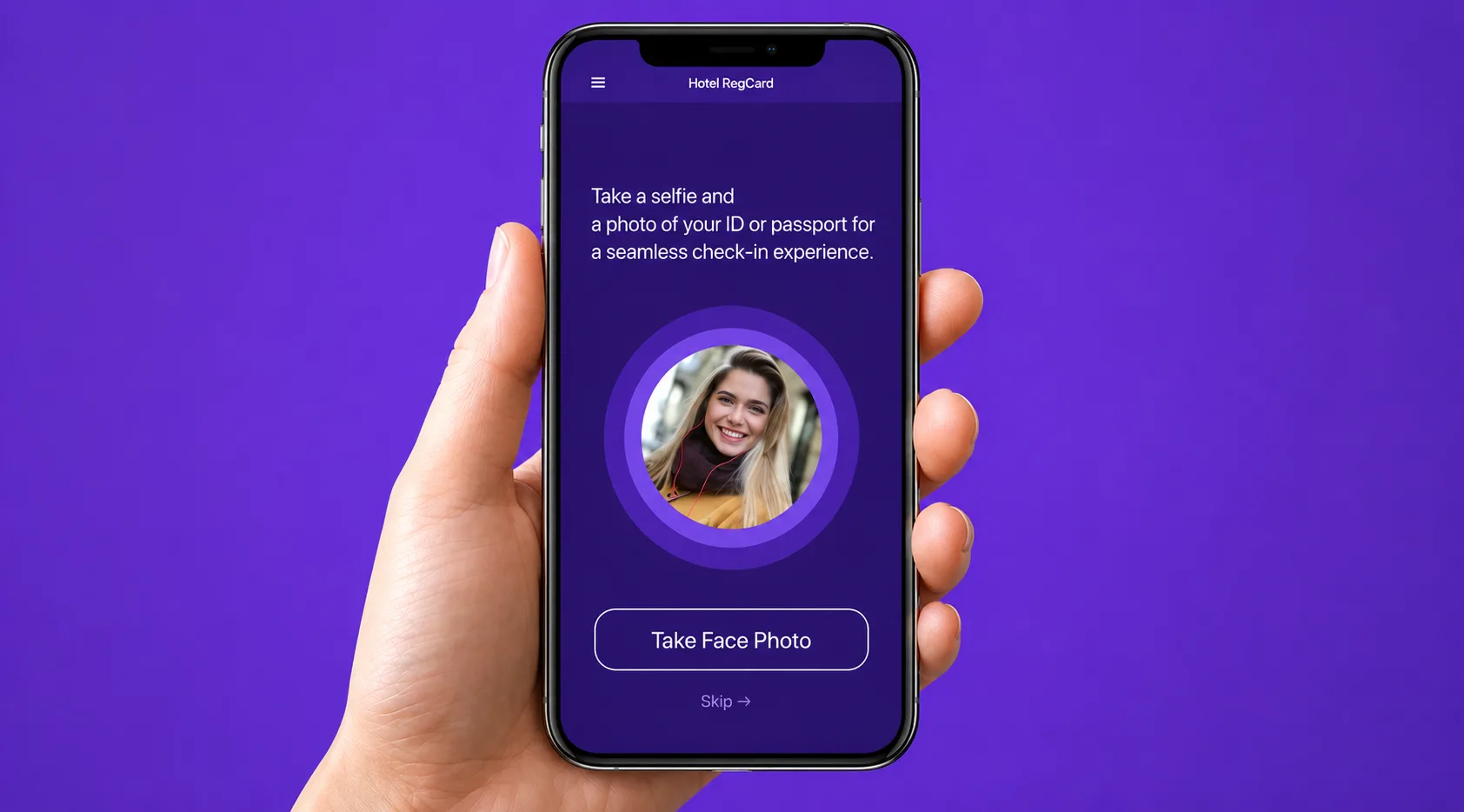
A well-designed Hotel Guest Process Appliaction can centralize these services into a single platform. Guests can use the application to complete registrations, upload identity documents, request housekeeping, order food, or communicate directly with hotel staff.
This level of convenience creates a more personalized and connected hospitality experience while reducing pressure on hotel employees.
Operational Benefits for Hotel Management
Beyond guest convenience, contactless systems offer significant operational advantages for hotels. Automation reduces repetitive administrative work, allowing staff to focus more on customer engagement and service quality.
Digital systems can help hotels:
- Minimize front desk workload
- Reduce paperwork and manual data entry
- Improve visitor tracking accuracy
- Accelerate room allocation processes
- Enhance security monitoring
- Lower operational costs over time
Hotels adopting a modern Smart Hotel Solution often experience better workflow coordination across departments. Housekeeping teams, security staff, and reception teams can access real-time updates through connected management platforms.
This improves communication and helps hotels respond faster to guest requests or operational issues.
The Role of Mobile Technology in Hospitality
Mobile technology has become a key driver behind contactless hospitality services. Smartphones now function as booking tools, digital wallets, communication hubs, and room keys all in one.
Guests appreciate the flexibility of managing their stay directly from their devices. Hotels also benefit because mobile-first systems reduce infrastructure dependency and simplify service delivery.
The integration of Contactless Hotel Check-In solutions with mobile applications enables a highly efficient arrival process. Guests can verify identities remotely, receive instant notifications, and unlock rooms using secure digital credentials.
This approach not only improves convenience but also supports better resource management within the hotel environment.
Future Trends in Contactless Access Solutions
The future of hospitality technology is moving toward deeper automation and AI-powered personalization. Contactless systems are expected to become more intelligent, predictive, and integrated with broader hotel operations.
Emerging trends include:
AI-Driven Guest Experiences
Artificial intelligence can analyze guest preferences and automate personalized recommendations, room settings, and service options.
Biometric Authentication
Facial recognition and fingerprint-based access systems may further strengthen hotel security while eliminating the need for physical keys or QR codes.
Cloud-Based Access Management
Cloud infrastructure allows hotels to manage multiple properties, monitor access remotely, and scale operations more efficiently.
IoT-Enabled Smart Rooms
Connected devices can automatically adjust lighting, temperature, and entertainment settings based on guest preferences.
As these innovations continue to evolve, hotels that adopt flexible digital infrastructure will be better positioned to meet future customer expectations.
Building a Safer and More Efficient Hospitality Environment
The hospitality industry is no longer focused solely on offering accommodation. Today, hotels are expected to deliver secure, connected, and technology-driven experiences that align with modern travel behavior.
Contactless access solutions are helping hotels achieve this balance by combining convenience with stronger operational control. Whether through automated visitor management, mobile room access, or intelligent security monitoring, these systems are redefining how hotels interact with guests.
By implementing an advanced Access Control System and a reliable Hotel Guest Process Appliaction, hotels can create smoother operations while maintaining high safety standards. At the same time, adopting a scalable Smart Hotel Solution helps businesses stay competitive in a rapidly evolving hospitality landscape.
As guest expectations continue to evolve, hotels that embrace digital transformation today will be better prepared to deliver seamless, secure, and memorable experiences in the years ahead.