Understanding DDC Controllers in Modern Building Automation
Modern buildings rely on automation to maintain indoor comfort, operate equipment efficiently and simplify day-to-day facility management. One of the key technologies behind these systems is Direct Digital Control (DDC), which allows building equipment to respond automatically to changing conditions.
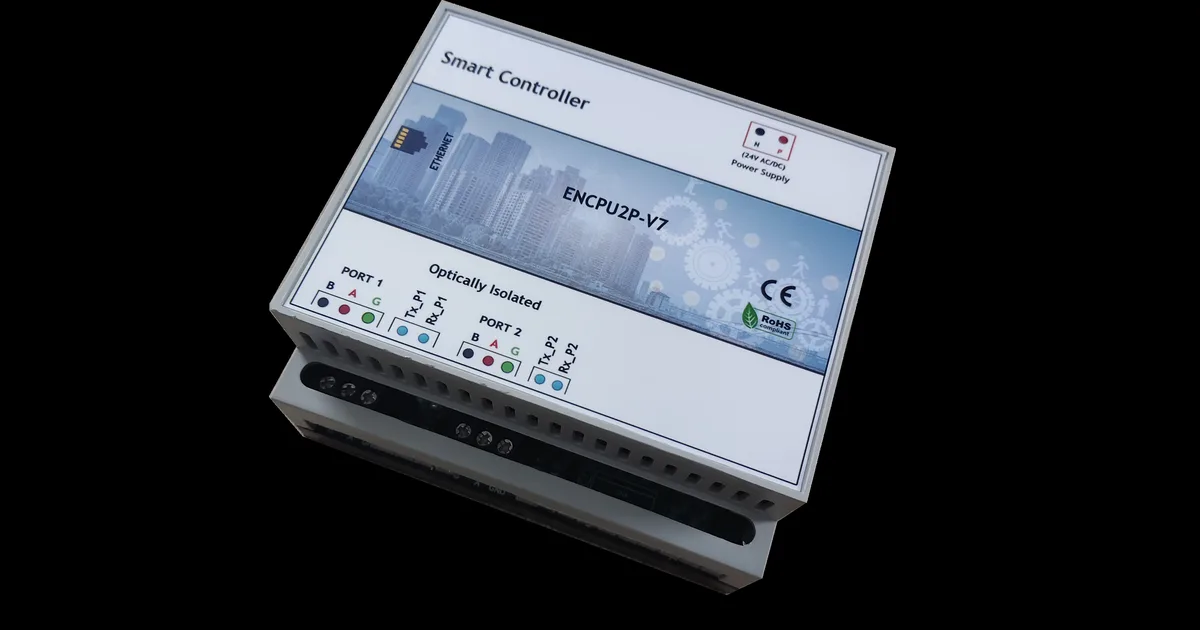
A DDC controller receives information from field sensors, processes it using programmed logic and sends commands to connected equipment. Instead of requiring someone to adjust every valve, fan or damper manually, the controller continuously monitors conditions and makes adjustments according to its control sequence.
For anyone new to the subject, this guide provides a useful introduction to DDC controllers and their applications: https://ensmart.ai/blog/what-is-a-ddc-controller-a-complete-guide
How a DDC Controller Works
The basic operation of a DDC controller involves three main steps: reading information, processing it and controlling equipment.
Sensors measure conditions such as temperature, humidity, pressure and airflow. The controller receives these measurements and compares them with the required setpoints. Based on its programmed logic, it then sends suitable commands to actuators or other equipment.
Consider an air handling unit (AHU) in a commercial building. If the supply air temperature rises above the required setpoint, the controller can adjust the chilled water valve to increase cooling. It continues monitoring the temperature and adjusts the valve as conditions change.
This feedback process helps maintain the required operating conditions without constant manual intervention.
Understanding Inputs and Outputs
Inputs and outputs are an important part of DDC control because they connect the controller to real equipment in the building.
Analog inputs (AI) receive variable measurements from sensors, such as temperature or pressure. Depending on the device, these signals may use ranges such as 0–10 V or 4–20 mA.
Digital inputs (DI) monitor on/off conditions, including fan status, equipment faults and filter alarms. They help the controller understand whether equipment is operating as expected.
Analog outputs (AO) provide variable signals to devices such as modulating valves, dampers and compatible variable frequency drives. Digital outputs (DO) provide switching commands, often through relays, to control equipment operation.
Before selecting a controller, engineers need to identify the required input and output points and confirm that the electrical signal types match the connected field devices. This information is usually documented in an I/O list during the design stage.
Why DDC Controllers Are Important in HVAC Systems
Heating, ventilation and air conditioning systems operate under changing conditions throughout the day. Occupancy, outdoor temperature and building usage can all affect the amount of heating, cooling and ventilation required.
DDC controllers help manage these changes through programmed sequences. They can operate equipment according to schedules, adjust temperature setpoints, regulate valve positions and coordinate the operation of fans and pumps.
For example, an office building may not require the same ventilation level outside working hours as it does during a busy afternoon. A properly configured control sequence can account for occupancy schedules and other relevant measurements to adjust system operation.
The benefits depend on the quality of the control strategy, the equipment being used and how well the system is commissioned. Automation can support energy efficiency, but results are not guaranteed simply by installing a controller.
DDC Controller and DDC Panel: Understanding the Difference
A DDC controller is the device that processes inputs and executes the control logic. A DDC panel is the enclosure that houses the controller and the supporting components required for installation.
A typical panel may contain a power supply, terminal blocks, circuit protection and relays, depending on the application. It provides an organized location for connecting field wiring and communication networks.
Good panel design is important because clear labeling, suitable component selection and accessible wiring can make commissioning and troubleshooting easier. Even when the controller is correctly selected, poor panel layout or incorrect wiring can create problems during installation and maintenance.
Communication and Building Management Systems
DDC controllers often communicate with a Building Management System (BMS), allowing operators to monitor equipment and review building conditions from a central interface.
BACnet and Modbus are two commonly used communication protocols in building automation. BACnet is designed for building control applications, while Modbus is frequently used to exchange data with devices such as energy meters and variable frequency drives. The actual protocols available depend on the controller model.
When a controller is integrated with a BMS, operators may be able to view temperatures, check equipment status, review alarms and adjust permitted setpoints. Historical data can also help maintenance teams investigate recurring faults or identify unusual operating patterns.
It is important to distinguish communication from control. A device may communicate over BACnet or Modbus without executing the actual control sequence. Engineers should verify which device runs the programmed logic and how the system behaves if network communication is interrupted.
Choosing a Controller for a Building Automation Project
Selecting a DDC controller starts with understanding the equipment and the intended sequence of operation. The number and type of I/O points, communication requirements and programming capabilities should all be considered.
The controller should support the required electrical signals and provide enough inputs and outputs for the connected sensors and actuators. If the project may expand later, additional I/O capacity or support for expansion modules may be useful.
Compatibility with the existing BMS is another important consideration. Engineers should confirm the supported communication protocols and verify that the necessary points can be exchanged correctly.
Commissioning and maintenance also deserve attention. Clear documentation, accessible wiring, reliable configuration backups and appropriate troubleshooting tools can make the system easier to maintain over its service life.
Looking Ahead
DDC controllers remain an important part of building automation because they connect field devices with programmed control strategies. Their role extends beyond switching equipment on and off: they help coordinate HVAC operation, respond to changing conditions and provide useful information for facility management.
Understanding how sensors, inputs, outputs, communication protocols and control sequences work together gives engineers a stronger foundation for designing and maintaining building automation systems.
For more information about DDC controller solutions and specifications, visit https://ensmart.ai/ddc-controller