
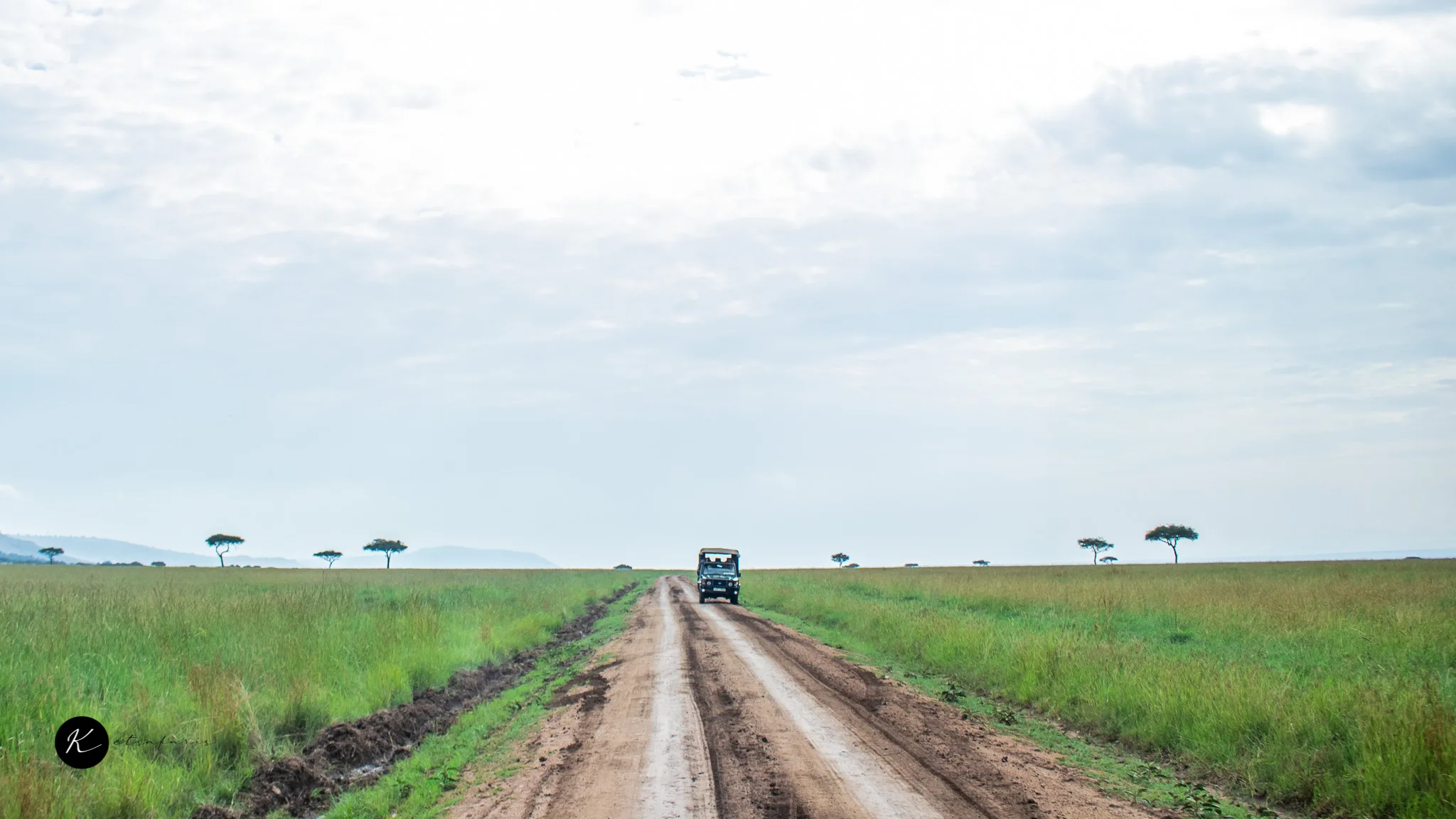
Not all Serengeti safari packages cover the same part of the park. The Serengeti spans nearly 15,000 square kilometers, and the region you visit can shape your entire trip, what wildlife you see, how crowded your game drives feel, and even what the landscape looks like outside your vehicle window. This guide breaks down the practical differences between the northern and southern Serengeti so you can choose based on what you'll actually experience, not just the park's name on an itinerary.
Why Region Matters More Than the Park Name Alone
Many travelers assume "Serengeti safari packages" all deliver a similar experience since they share the same park name. In reality, the Serengeti's different regions have distinct ecosystems, seasonal wildlife patterns, and visitor densities. Choosing the right region is often more important than choosing between similarly priced packages within the same area.
The Serengeti Is Not One Uniform LandscapeThe park stretches from woodland and hills in the north to open, short-grass plains in the south. This variation directly affects which animals you're likely to see and when, since much of the wildlife, particularly the migratory herds, moves seasonally between these zones.
Northern Serengeti: Where the Migration Crosses Rivers
What Makes the North DistinctThe northern Serengeti, near the Mara River, is best known for dramatic river crossings during the Great Migration. Wildebeest and zebra gather in large numbers to cross the river, often facing crocodiles in the process, making this one of the most photographed wildlife events in Africa.
Best Time to Visit the NorthRiver crossings typically occur between July and October, as herds move north toward Kenya's Maasai Mara before circling back south later in the year. Serengeti safari packages timed for this window are among the most popular and, consequently, the most heavily booked.
Terrain and Crowd LevelsThe north features more wooded, hilly terrain compared to the open plains further south. Because this region draws the highest visitor numbers during migration season, camps and game drive routes can feel more crowded between July and October.
Southern Serengeti: Where the Migration Begins
What Makes the South DistinctThe southern Serengeti, particularly the Ndutu area, is where wildebeest gather to calve, typically producing hundreds of thousands of calves within a few short weeks. This concentration of newborn animals also draws significant predator activity, making it a strong choice for those interested in big cat sightings.
Best Time to Visit the SouthCalving season generally runs from January to March, offering high wildlife density and dramatic predator-prey interactions without the river-crossing crowds seen further north.
Terrain and Crowd LevelsThe south consists of open, short-grass plains, offering excellent visibility for game viewing. Since fewer travelers specifically target calving season compared to river crossings, southern Serengeti safari packages often mean fewer vehicles per sighting.
Comparing North and South at a Glance
FactorNorthern SerengetiSouthern SerengetiSignature eventMara River crossingsWildebeest calvingPeak monthsJuly–OctoberJanuary–MarchTerrainWooded, hillyOpen, short-grass plainsCrowd levelsHigher during migrationGenerally lowerBest forRiver crossing photographyPredator activity, newborn wildlifeHow to Choose the Right Serengeti Safari Package
Choose the North If:You want to witness river crossings, don't mind larger crowds during peak season, and are visiting between July and October.
Choose the South If:You're travelling between January and March, want strong predator sightings, and prefer quieter, less crowded game drives across open plains.
Consider Combining BothMany longer Serengeti safari packages move between regions depending on the season, following the migration's natural path. This is often the best option for travelers with 5 or more days who want to experience both landscapes in one trip.
Combining a Serengeti Safari with Kenya Tours
Since the Great Migration crosses the border into Kenya's Maasai Mara between roughly July and October, some travellers extend their trip to include Kenya tours during this window, allowing them to follow the herds across both countries rather than choosing one park exclusively.
Frequently Asked Questions
Is the northern or southern Serengeti better for a safari?
Neither is objectively better. The north suits travellers who want river crossings between July and October, while the south suits those wanting calving season and predator activity between January and March.
Can I visit both the north and south Serengeti in one trip?
Yes. Longer Serengeti safari packages, typically 5 days or more, often combine both regions, following the migration's seasonal movement across the park.
Which region has fewer crowds?
The southern Serengeti generally sees fewer visitors than the north during peak migration months, since river crossings attract significantly more tourism traffic.