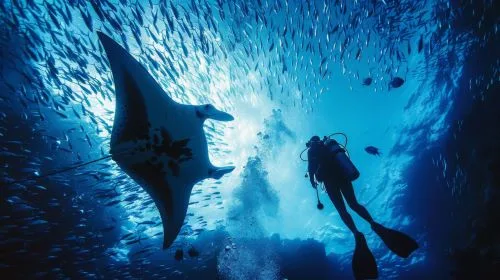
One underwater experience does not suit every traveller. Here is how to compare diving options based on your schedule, experience, and holiday priorities.
A traveller with two hours to spare in Havelock Island needs a different diving plan from someone staying for four days to earn a scuba certification.
Yet many visitors begin by comparing photographs, dive depths, or package prices without first considering what they actually want from the experience.
Choosing the right program matters. A short introductory dive, an offshore excursion, and a structured certification course involve different commitments and expectations.
For travellers researching scuba diving in Andaman, the most useful starting point is understanding how much time they have and what type of underwater experience interests them.
Start With One Question: What Do You Want From Your Dive?
Not every traveller visits the Andaman Islands for the same reason.
Some people want to try breathing underwater for the first time. Others are interested in coral reef environments, underwater photography, or learning a recreational skill.
Your answer helps narrow the available options.
A beginner who wants a short experience may prefer a supervised shore dive. Someone interested in exploring offshore environments might consider an appropriate guided boat-diving program.
Travellers hoping to continue scuba diving at other destinations may benefit from formal training.
Before comparing packages, identify your main goal. This simple decision can help prevent unnecessary spending and scheduling difficulties.
The Two-Hour Option: A Short Introduction to the Underwater World
A short shore-diving experience is often attractive to travellers with limited free time.
Havelock Island has recognised beginner locations, including Nemo Reef, where suitable participants can experience diving through supervised programs.
Experience Scuba lists its introductory Nemo Reef shore-diving activity at approximately two hours overall.
The experience includes preparation, basic training, equipment familiarisation, and time underwater.
One practical advantage of shore diving is that participants enter from the beach rather than travelling to an offshore site by boat.
However, a shorter experience does not mean safety procedures can be skipped.
Medical screening, instructions, skills practice, and appropriate professional supervision remain essential.
This option may suit eligible travellers who want to experience scuba diving without committing an entire day.
The Half-Day Option: Exploring a Different Underwater Environment
For travellers who can allocate more time, offshore diving programs may offer another perspective.
Locations such as Tribe Gate and Juvis are among the sites used by Havelock diving operators.
These experiences may involve boat transfers, safety preparation, guided underwater activities, and return transportation.
For example, Experience Scuba lists its Tribe Gate introductory experience at approximately two to three hours, while its Juvis program takes around three to three-and-a-half hours.
The underwater surroundings differ between locations. Some areas feature coral formations and reef fish, while others offer different seabed characteristics.
Availability depends on daily weather, sea conditions, and participant eligibility.
Travellers should also understand that an offshore location is not automatically better than a shore-diving site.
A suitable introductory experience at an accessible location can be equally rewarding.
The Four-Day Option: Learning to Become a Certified Diver
A recreational scuba certification course involves a different level of commitment.
Rather than experiencing diving once, participants develop knowledge and practical skills that can support future diving activities.
The PADI Open Water Diver course combines theoretical learning, confined-water exercises, and supervised open-water training.
Experience Scuba currently describes its Open Water Diver course as a four-day program in Havelock.
Successful completion provides a recognised recreational diving certification.
However, training requires participants to meet swimming, medical, skills, and other course requirements.
This option is more appropriate for someone genuinely interested in learning scuba diving than for a traveller simply looking for a short holiday activity.
Why Location Matters When Planning Scuba Diving in Havelock
Havelock Island, officially Swaraj Dweep, offers a variety of coastal and offshore environments.
The choice of diving location affects the overall experience, including travel time, entry method, underwater conditions, and program suitability.
When comparing scuba diving in Havelock, it helps to consider the complete activity rather than only the advertised underwater duration.
Ask whether the dive starts from the beach or requires a boat ride.
Find out whether transfers are included and where participants must report.
Also ask how the operator chooses a suitable site when conditions change.
These practical details can make a significant difference, particularly for travellers with fixed ferry departures or other scheduled activities.
Understand What You Are Actually Paying For
Scuba diving prices can vary between operators and programs.
A lower advertised amount does not always represent a better-value experience.
Two packages may include different underwater durations, transport arrangements, photography services, equipment, and training.
Rather than comparing prices alone, review the complete inclusions.
Also check the cancellation or rescheduling policy.
Weather-related changes are a normal possibility in marine activities, so travellers benefit from understanding their options before making payment.
Professional supervision, suitability, and clear communication should carry more weight than a discount.
Include Recovery and Travel Time in Your Plans
Scuba diving also requires thoughtful scheduling after the activity.
Flying too soon after diving can increase the risk of decompression sickness.
The Divers Alert Network recommends a minimum of 12 hours before flying after a single no-decompression dive and at least 18 hours after multiple dives or multiple days of diving. Longer intervals may be appropriate depending on circumstances.
These are minimum recommendations, not guarantees of safety.
Travellers should follow professional guidance and leave sufficient time between their final dive and air travel.
Ferry schedules and weather conditions should also be considered when organising an island itinerary.
A Better Way to Choose Your Experience
Instead of asking which scuba package is the most popular, ask which one best matches your circumstances.
Consider your available time, training level, medical eligibility, comfort in water, and personal interests.
A suitable short introductory dive may be ideal for one traveller, while another might prefer an extended training program.
Neither choice is automatically superior.
The best experience is one that allows you to explore the underwater environment safely, comfortably, and at an appropriate level.
Frequently Asked Questions
Is scuba diving in Andaman suitable for someone visiting for only two days?
A short introductory program may fit into a two-day stay, depending on availability, health requirements, weather, and travel schedules.
What is the difference between shore diving and boat diving?
Shore diving generally starts from the beach. Boat diving involves travelling to a selected offshore location before entering the water.
Can beginners try scuba diving in Havelock without certification?
Yes. Eligible beginners can participate in appropriate supervised introductory programs without holding a full scuba certification.
Does every diving package include underwater photographs?
No. Photography inclusions vary between operators and packages. Confirm what is included before booking.
How much time is needed for a PADI Open Water Diver course?
Many programs take approximately three to four days, depending on course structure, individual progress, and diving conditions.
Final Thoughts
Planning an underwater adventure in the Andaman Islands becomes easier when travellers understand the differences between diving experiences.
A short shore dive can introduce someone to breathing underwater, while an offshore experience may offer access to another marine environment.
A certification course provides a more structured path for people interested in continuing the activity.
The right choice depends on your goals, available time, eligibility, and comfort level.
Instead of selecting a program based only on price or photographs, take time to understand what the experience includes.
A little research before travelling can help you make a more informed decision and enjoy Havelock's underwater world responsibly.