
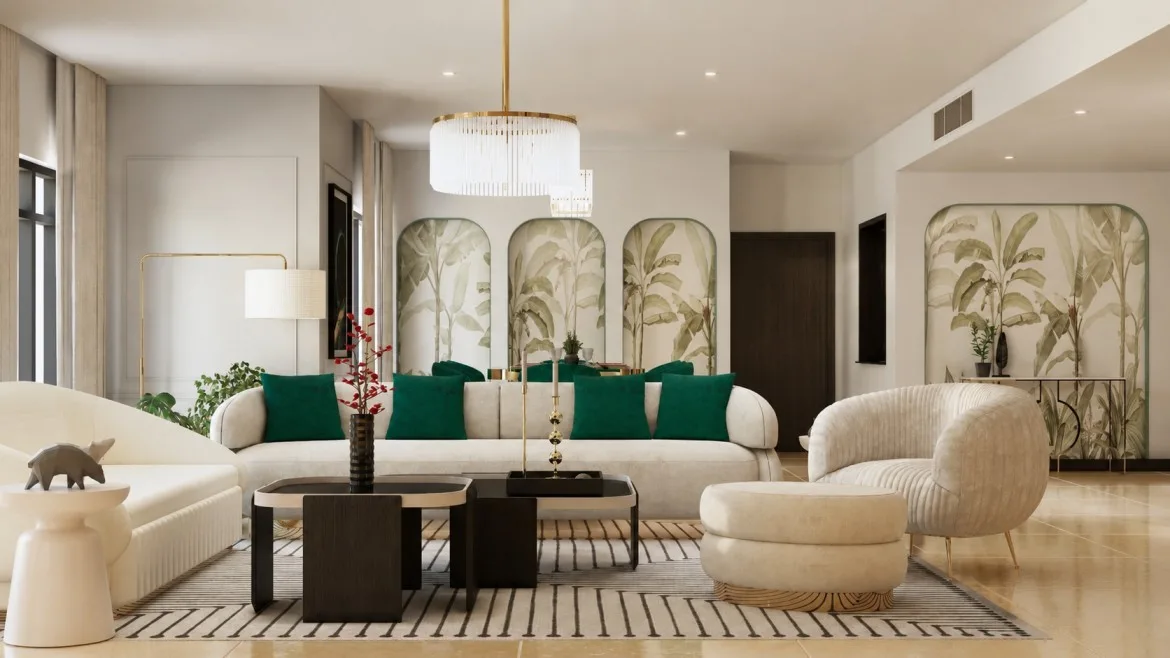
A beautiful home should do more than look impressive when guests walk through the door. It should feel comfortable on an ordinary morning, work for the needs of the household and reflect the people who live there.
In Dubai, where homes range from compact city apartments to spacious villas, achieving this balance requires thoughtful planning. Interior design involves more than choosing furniture and matching colours. It brings together layout, lighting, materials, storage and personal preferences to create spaces that feel connected and practical.
For homeowners planning a new property or renovation, the first step is understanding what makes a home feel personal.
Good Design Begins With Everyday Life
It is tempting to begin a home project by selecting a sofa, choosing a colour palette or saving photographs of attractive interiors. While these activities help establish a visual direction, the most important decisions often concern how a space will be used.
Consider a family that enjoys hosting relatives and friends. The living and dining areas may need to accommodate larger gatherings without making everyday use uncomfortable. Another household may value quiet corners, flexible workspaces and storage that keeps shared areas uncluttered.
These differences affect everything from furniture placement to lighting and circulation.
Before developing a concept, homeowners should identify their main priorities. A simple list of daily frustrations, desired improvements and existing furniture worth keeping can help designers understand what needs to change.
The result is a more considered starting point than selecting a style simply because it is popular online.
Finding the Right Balance Between Luxury and Comfort
Luxury interiors are often associated with expensive materials, statement lighting and carefully selected furniture. However, a sophisticated space does not need to rely on costly finishes alone.
Proportion, lighting, texture and material combinations can have just as much influence on how a room feels. A well-positioned floor lamp can create a comfortable reading corner, while full-height curtains may soften a room and help manage daylight. Thoughtful storage can make an apartment feel calmer without changing its footprint.
Material choices should also reflect how the household lives. Families with children may prioritise durable upholstery and easy-to-clean surfaces. Homes that receive frequent visitors may need hard-wearing flooring and practical arrangements for entertaining.
The goal is to make the space attractive without creating unnecessary maintenance or sacrificing comfort.
Why Cultural Context Matters in Dubai Homes
Dubai is home to people with varied backgrounds, family structures and design preferences. As a result, there is no single approach that suits every property.
Some households require a dedicated majlis for formal gatherings. Others prefer an open-plan arrangement that connects cooking, dining and family activities. Privacy, guest accommodation and the relationship between indoor and outdoor areas can also influence the design.
Understanding these needs early helps prevent expensive layout changes later.
Amanda D’souza, Founder and Principal Designer of Euphoria Interiors, places the client's lifestyle at the centre of the design process. Rather than applying a standard look across different homes, the studio considers the property, its occupants and the way each room needs to function.
This approach recognises that personal design is not simply about choosing a style. It is about making decisions that suit the people who will use the space every day.
Choosing a Design Studio That Understands Your Vision
Selecting a designer is an important step because the working relationship continues beyond the initial concept. Homeowners need a team that can listen to their ideas, explain alternatives and turn agreed plans into workable solutions.
Start by reviewing completed projects. Look for evidence that the studio can handle spaces similar to yours and that its designs demonstrate variety rather than a repeated formula.
During the first consultation, discuss your budget, preferred timeline, practical requirements and expectations for communication. Ask how the studio develops concepts, presents material choices and coordinates the work needed to complete the project.
It is also worth understanding whether the company offers design-only services or can manage additional stages such as procurement, contractor coordination and installation.
If you are comparing potential studios, this overview of the top interior design companies in Dubai can help you explore different firms and identify the questions to ask before making a decision.
Plan the Budget Before Selecting Finishes
A design budget should account for more than furniture and decorative accessories. Depending on the project, homeowners may also need to consider technical drawings, construction work, lighting, joinery, delivery, installation and building approvals.
Creating a budget range early allows the design team to prioritise spending. It also helps distinguish between features that are essential and those that can be introduced later.
For example, a homeowner might invest in a better storage layout and durable flooring before spending more on decorative accessories. Another may prioritise kitchen improvements because the existing layout makes daily cooking difficult.
Ask for a clear breakdown of the proposed work and how changes will be priced. It is sensible to keep a contingency for unforeseen conditions, especially in renovation projects where opening up existing finishes may reveal issues that were not visible initially.
Transparent discussions about costs help everyone make decisions with a clearer understanding of the consequences.
Make Room for the Future
A home should work for its occupants today while allowing some flexibility for tomorrow.
Children grow, work arrangements change and families develop new routines. Furniture that can be rearranged, adaptable guest rooms and well-planned electrical points can make a home easier to adjust over time.
This does not mean every room must serve several purposes. Instead, the design should avoid unnecessary limitations where a small planning decision could provide greater flexibility.
Long-lasting materials and layouts that support changing needs can also reduce the pressure to renovate again after only a few years.
A Home Should Feel Like Yours
The most successful interiors are not necessarily the ones with the most dramatic finishes or the largest budgets. They are the spaces where the layout makes sense, the materials suit everyday life and the details reflect the people who call the property home.
For Dubai homeowners, working with an experienced interior design team can help bring these priorities together. A clear brief, a realistic budget and open communication provide a strong foundation for the process.
When design decisions begin with the people who will live in the space, the finished home has a better chance of feeling personal, comfortable and lasting rather than simply following the latest trend.