Summary
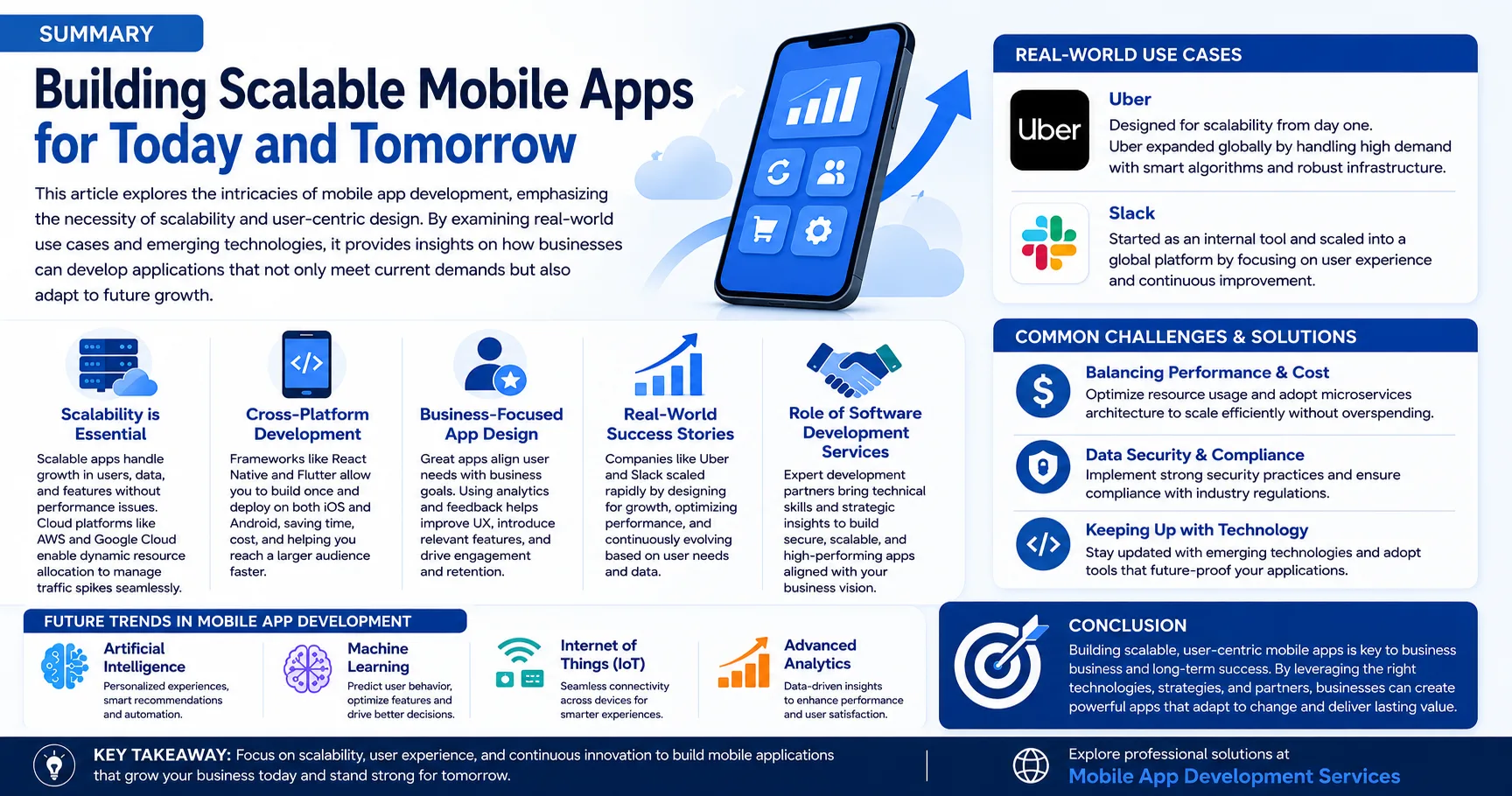
This article explores the intricacies of mobile app development, emphasizing the necessity of scalability and user-centric design. By examining real-world use cases and emerging technologies, it provides insights on how businesses can develop applications that not only meet current demands but also adapt to future growth. Readers will gain a deeper understanding of effective strategies and the importance of partnering with software development services.
Understanding the Landscape of Mobile App Development
As mobile technology continues to evolve, businesses find themselves at a crossroads: how to develop applications that are not just functional but also scalable and efficient? The landscape of mobile app development is vast, filled with opportunities and challenges that can dictate the success of a business's digital strategy.
Consider a scenario where a startup, initially focused on a single product, experiences a sudden spike in user engagement. Their existing app, while effective for a small audience, struggles to handle the increased load. This situation highlights the critical need for scalable app solutions that can adapt to growing demand without compromising performance.
The Importance of Scalability in App Development
Scalability is not just a buzzword; it’s a fundamental characteristic that every app must possess if it hopes to survive in a competitive market. A scalable application can efficiently handle growth—be it user traffic, data volume, or feature enhancements. For instance, a food delivery app that sees a 300% increase in users during the holiday season must be able to scale its services accordingly. If the app crashes during peak hours, it risks losing customers and damaging its reputation.
Utilizing cloud-based infrastructure can be an effective way to achieve this scalability. By leveraging platforms like AWS or Google Cloud, businesses can dynamically allocate resources based on real-time demand, ensuring seamless performance even during unexpected surges.
Cross-Platform App Development: A Growth-Oriented Approach
In the context of cross-platform app development, businesses can reach broader audiences without duplicating efforts across different operating systems. Tools like React Native or Flutter allow developers to write code once and deploy it across both iOS and Android devices. This approach not only saves time but also reduces development costs, making it an attractive option for startups and established businesses alike.
Take, for example, a retail company looking to launch a new mobile shopping app. By opting for cross-platform development, they can roll out their application to both iPhone and Android users simultaneously, ensuring that they capture a larger market share right from the start.
Business-Focused App Design: Bridging User Needs and Business Goals
Effective mobile application development goes beyond just technical proficiency; it requires a deep understanding of user needs and business objectives. A business-focused app design prioritizes user experience while aligning with the company’s growth strategies.
For instance, a fitness app that incorporates user feedback loops can continuously improve its offerings. By analyzing user interactions and preferences, the app can introduce new features that resonate with its audience, driving engagement and retention.
Moreover, integrating analytics tools allows businesses to gather valuable insights into user behavior. These insights can inform future updates or new features, ensuring that the app evolves in line with market demands.
Real-World Use Cases of Growth-Oriented App Development
Several companies exemplify how effective app development strategies can lead to significant business growth. A prominent example is the ride-sharing service, Uber. Initially launched in a single city, Uber’s app was designed with scalability in mind, allowing it to expand into multiple markets without a complete overhaul of its infrastructure.
As Uber grew, it implemented sophisticated algorithms to manage ride requests, ensuring that both drivers and riders had a seamless experience, regardless of demand fluctuations. This adaptability has been crucial to its success on a global scale.
Another case is that of Slack, a communication platform that began as an internal tool for a gaming company. After recognizing its potential, the developers shifted focus to create a standalone product. Slack’s design prioritizes user interface and experience, which has played a significant role in its rapid adoption by businesses worldwide.
The Role of Software Development Services in Scaling Applications
Partnering with experienced software development services can significantly enhance a business's ability to deliver scalable app solutions. Expert developers bring not only technical skills but also strategic insights that can guide the development process.
For example, a healthcare startup might engage a software development company to build a patient management system. By leveraging the developer’s expertise in secure data handling and regulatory compliance, the startup can ensure that its application meets industry standards while providing a robust user experience.
Overcoming Common Challenges in App Development
Despite the benefits of scalable app solutions, developers often encounter challenges that can hinder progress. One common issue is balancing performance with cost. While cloud services offer scalability, costs can escalate rapidly if not managed correctly.
Implementing cost-effective strategies, such as optimizing resource usage during off-peak hours, can help mitigate these expenses. Additionally, adopting a microservices architecture can provide flexibility, allowing teams to scale specific components of their application without affecting the entire system.
Future Trends in Mobile Application Development
The future of mobile application development is promising, with emerging technologies such as artificial intelligence (AI), machine learning, and the Internet of Things (IoT) poised to reshape the industry. These technologies can enhance user experiences through personalized content, predictive analytics, and seamless integration across devices.
For instance, an app that employs AI might analyze user behavior to recommend products or services tailored to individual preferences. This level of personalization not only improves user satisfaction but also drives higher conversion rates.
Conclusion
The journey of mobile app development is complex but rewarding. By prioritizing scalability, leveraging cross-platform solutions, and focusing on user-centric design, businesses can create applications that not only meet current demands but also prepare for future growth. In a digital world where user expectations are ever-evolving, the ability to adapt and innovate is key to sustained success. For businesses looking to explore options, consider checking out Mobile App Development services that can help turn visions into reality.
Frequently Asked Questions
What are the key factors to consider for scalable app development?
Key factors include cloud infrastructure, architecture design, performance optimization, and user experience integration.
How can cross-platform development benefit my business?
Cross-platform development saves time and costs by allowing a single codebase to run on both iOS and Android, reaching a wider audience.
What challenges do businesses face in mobile app development?
Common challenges include balancing performance with cost, managing user data securely, and keeping up with technology trends.
Why is user feedback important in app development?
User feedback drives improvements and feature enhancements, ensuring the app meets user needs and expectations.
What role do software development services play in app scalability?
Software development services provide expertise and resources to build scalable applications, ensuring technical and strategic alignment with business goals.