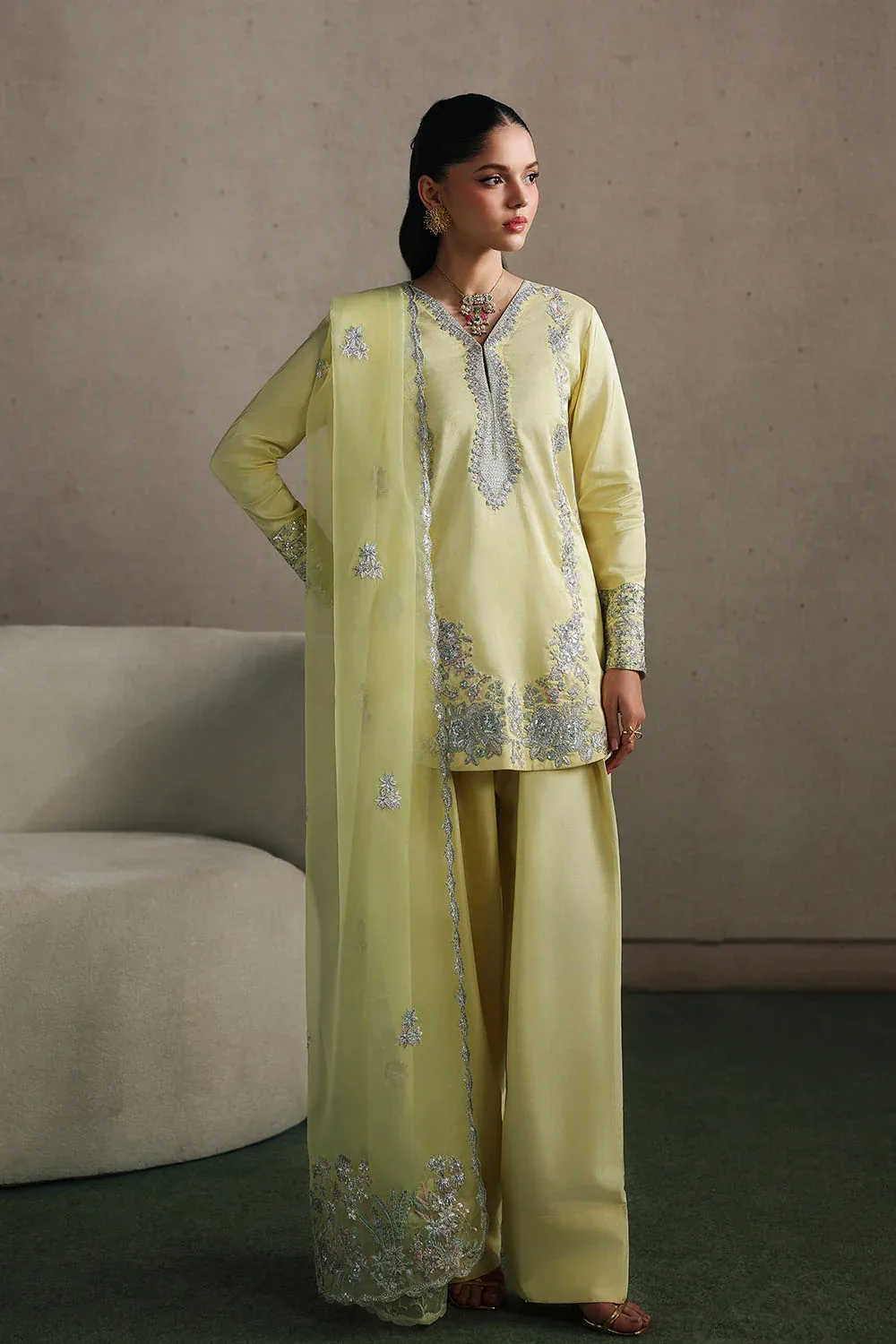

Reimagining Fashion: A Visual Symphony of Change
On a crisp autumn evening in Paris, the historic fashion capital, a groundbreaking show unfolded that defied conventional expectations. Models draped in garments woven from algae-based fibers and augmented reality (AR) enhancements strode down runways illuminated by sustainable LED installations. This spectacle was not just another seasonal presentation; it symbolized a decisive moment in fashion's trajectory—where technology, sustainability, and cultural identity intersect in unprecedented ways. The year 2026 stands as a turning point, compelling industry veterans and consumers alike to reconsider what fashion truly represents in a world grappling with environmental urgency and digital transformation.
Such vivid scenes are emblematic of a broader shift. Fashion, once anchored in cyclical trends and seasonal collections, now embraces a multifaceted identity shaped by innovation and responsibility. According to industry analysts, the global fashion market, valued at approximately $3.1 trillion in 2025, has seen sustainable and tech-integrated apparel segments grow by over 40% year-on-year. This momentum reflects a discerning consumer base increasingly demanding transparency, customization, and ecological mindfulness.
Tracing the Threads: How Fashion Reached This Inflection
The modern fashion landscape did not emerge overnight. Its evolution is the cumulative result of decades of cultural, technological, and economic factors. Historically, fashion cycles followed a predictable pattern governed by designers, brands, and seasonal dictates. The rise of fast fashion in the early 2000s democratized style but exacerbated environmental degradation and labor exploitation, prompting a backlash that intensified in the 2010s.
By the early 2020s, sustainability became not just a buzzword but a strategic imperative. Brands like Stella McCartney and Patagonia pioneered eco-conscious materials and circular design, inspiring an industry-wide reassessment. Concurrently, technological advances — from AI-driven design tools to blockchain-based supply chain transparency — began reshaping workflows and customer engagement.
Moreover, social movements emphasizing inclusivity and identity politics challenged the traditional fashion canon. Designers increasingly incorporated diverse cultural narratives and body-positive aesthetics, broadening fashion's expressive potential. This convergence of environmental, technological, and sociocultural dynamics laid the groundwork for the transformative trends dominating 2026.
Decoding 2026: Data-Driven Insights into Fashion’s Current Pulse
Recent market reports reveal that in 2026, sustainable fashion accounts for nearly 35% of global apparel sales—an increase from just 12% five years prior. This surge is propelled by innovations in materials science, such as bioengineered textiles that reduce water usage by up to 70% compared to cotton, and synthetic leathers derived from mycelium and fruit waste.
Simultaneously, AI and augmented reality have revolutionized consumer interaction. Retailers deploy AI stylists that analyze personal preferences, body metrics, and social media trends to curate bespoke wardrobes. AR fitting rooms, now standard in urban flagship stores, reduce return rates by approximately 25%, according to industry data.
Financially, investments reflect these shifts. The global fashion tech sector attracted $9.6 billion in venture capital in 2025, with startups like FabricAI and GreenThread leading breakthroughs in personalized design algorithms and closed-loop recycling systems. Major conglomerates such as LVMH and Kering have integrated these startups into their portfolios, signaling a strategic pivot.
“Fashion’s future is no longer about fleeting trends but enduring values, where technology amplifies creativity and sustainability safeguards our planet,” notes Dr. Elena Martinez, a leading fashion technologist and consultant.
The 2026 Fashion Ecosystem: Innovation Meets Responsibility
The current ecosystem is a complex interplay of tradition and disruption. Legacy houses are collaborating with tech firms to embed sustainability into their heritage, while emerging designers harness digital platforms to launch virtual-only collections, minimizing physical waste and carbon footprints.
One prominent example is the rise of digital fashion. Platforms like DressX and The Fabricant enable consumers to purchase garments that exist solely in digital environments, optimized for social media and virtual realities. This trend not only reduces material consumption but also redefines ownership and expression.
Meanwhile, supply chain transparency has become paramount. Blockchain technologies authenticate provenance and ethical sourcing, addressing consumer concerns about labor conditions and environmental impact. According to a 2026 Deloitte report, 58% of shoppers are willing to pay a premium for verified sustainable products.
- Material Innovation: Adoption of lab-grown textiles and recycled fibers increased by 60% since 2023.
- Consumer Behavior: 70% of Gen Z shoppers factor sustainability into purchase decisions.
- Technology Integration: AI-driven customization tools account for 45% of online fashion retail transactions.
- Market Growth: Digital-only fashion revenues doubled from 2024 to 2026.
Fashion futurist and author Marcus Liang emphasizes, “The synergy between tech and sustainability is not optional—it’s the blueprint for survival and relevance in this volatile market.”
Voices from the Industry: Perspectives Shaping Fashion’s New Narrative
Industry insiders highlight the nuanced challenges and opportunities in this evolving landscape. Sophia Reynolds, creative director at the avant-garde label EcoWeave, describes the tension between innovation and heritage: “Balancing cutting-edge materials with craftsmanship rooted in centuries-old traditions requires not only technical skill but philosophical alignment.”
Executives also acknowledge that consumer education remains critical. Transparency initiatives like Fashion Transparency Index have empowered buyers, but misinformation about greenwashing persists. To combat this, several brands have adopted third-party certifications and immersive storytelling to convey authentic brand values.
Moreover, the democratization of fashion through digital tools has altered power dynamics. Independent designers gain global reach without intermediaries, fostering diversity and experimentation. Yet, they face challenges scaling sustainable practices under financial constraints.
Academic institutions have responded by expanding curricula to integrate sustainability and technology. Collaborative incubators between universities and industry players nurture talent equipped to navigate these complexities.
Looking Ahead: What to Watch in Fashion’s Next Chapter
As the decade advances, several critical trends will shape fashion’s trajectory beyond 2026. The integration of AI-driven predictive analytics promises to optimize inventory management, potentially reducing waste by up to 30%. Meanwhile, advances in nanotechnology could enable garments that adapt dynamically to environmental conditions, enhancing comfort and longevity.
The rise of decentralized manufacturing, enabled by 3D printing and local micro-factories, may further disrupt traditional supply chains, promoting resilience and reducing carbon emissions. Consumer behavior will continue to evolve, with experiential and purpose-driven consumption overtaking mere acquisition.
Policymakers are likely to play a more assertive role. Governments worldwide are considering regulatory frameworks to enforce sustainability standards and ethical labor practices, influencing global market dynamics.
In this context, staying informed is paramount. Readers interested in deeper insights can explore related analyses such as Why Fashion’s Future Lies Beyond Trends and Into Sustainability and How AI and Sustainability Are Shaping Fashion’s Bold New Frontier, which further dissect these transformative forces.
- Expansion of circular economy models with increased garment recycling and resale.
- Growth of biometric and emotional AI to personalize fashion experiences.
- Emergence of hybrid physical-digital retail spaces enhancing customer engagement.
- Strengthening of global alliances to standardize sustainable practices.
In sum, fashion in 2026 transcends mere aesthetics. It embodies a complex ecosystem where creativity, technology, and ethics converge, challenging long-standing norms and inspiring new possibilities. Those who adapt will not only survive but redefine style for generations to come.