When it comes to fixtures, it's not all about style. When buying Bathroom Lights, the letters "IP" followed by two numbers can be found on nearly every box and many homeowners don't pay attention to these numbers. This is wrong as the rating reflects the resistance to dust and water of a fitting. Ceiling light ratings that are important are IP44 and IP65. So what does each mean, where is each and which of these do you really have to use?
What Does an IP Rating Mean?
Innerscope Protection is IP. The first digit indicates resistance to solid particles (dust and fingers) from 0 – 6. The second digit determines how well the waterproofing works, rated on a scale of 0-9. The higher the number, the more protected it will be, but against that one test only.
IP44 rating means that the fitting is durable and can withstand solid objects that are greater than 1 mm in diameter and water splashes from all directions! This indicates the fitting can be totally dust tight and resist low-pressure water jets from any direction. In simple terms, IP44 is able to withstand steam and can be splashed by water, whereas IP65 can withstand a hose-jet spray.
Understanding Bathroom Zones
There are different rules in different countries, most of which are based on zones. Zone 0 is in the bath or shower tray. The area directly overhead the bath or shower up to 2.25 metres tall is considered Zone 1. Zone 2 is located 0.6 metres beyond this. The remainder of the room is not in the zones and is therefore less exposed. Ceiling fittings are typically located over a shower, in Zone 1 (or outside of the zones).
When IP44 Is Enough
If you're looking for the best waterproofing for most bathrooms, then the IP44 rating is the smart option! If the ceiling light is installed above a washbasin, toilet or bath, instead of above a shower head, it will come more into contact with humid air and the occasional splash. The range of IP44 fittings is so vast and generally less expensive, and can be found in a variety of styles, including flush domes and thin spotlights. They are suitable for family bathrooms, en-suites and separate shower enclosures, and cloakrooms. Keep in mind that the rating refers to the correct installation of the fitting, use the gasket included with the cable and seal all cable entrances. The same goes for bathroom mirror lights, which are not normally exposed to spray and are typically only IP44.
When You Should Choose IP65
The IP65 rating is warranted in wet rooms, walk-in showers and any ceiling fitting directly above the shower head. Here the light will be hit by cleaning jets, condensation and sometimes spray. A fitting with only an IP44 rating can allow moisture to seep in over time, causing a flickering and corrosion/premature failure. IP65 is also a good choice for steam rooms, outdoor bathrooms, pool houses and open plan wet rooms where water may spread beyond its intended use.
Cost, Efficiency and Maintenance
IP65 fittings tend to be tighter which can cause heat to be trapped. This is seldom an issue with modern LED modules, but be sure that the fitting is rated for use in an enclosed environment, and that the driver is rated for damp conditions. Less cleaning is also required inside a sealed unit since dust is not allowed to enter the unit, though you should clean the lens regularly to ensure a bright light output. IP65 will be slightly more expensive, but its reliability can make up for it.
Matching the Rating to Your Layout
Consider the entire room instead of just the particular fitting. A standard IP20 fitting may be installed only in a well clear of water area, a typical IP44 fitting could be installed over the bath and basin and an IP65 fitting over the shower (if allowed by local rules). It's fine to mix ratings and it maintains budgets to keep them sensible. Don't forget to test the colour temperature as well. Warm white (2700K - 3000K) is perfect for relaxation and neutral white (4000K) is ideal for grooming and cleaning. The water protection rating is not the only factor that should be considered when selecting lights; the quality of the lighting is also important. Most people don't think of it until after the room has been completed and the glare becomes apparent. Dimmability and beam angle are also important. A 100-degree or greater wide beam illuminates light on a level plane in a small room, while a dimmable driver allows you to adjust from bright morning light to a soft evening light. Use high-quality Bathroom Lights that have a colour rendering index greater than 80, for natural skin tone and fabrics.
Common Mistakes to Avoid
The first error is to think that the higher the rating the better. IP65 is great, but it's counterproductive to pay for a rating when you don't get any spray. The second error is not taking installation into consideration. A fitted A rated fitting when fitted with a damaged gasket, an unsealed cable gland or trim that is not tight is rendered unrated completely. The third error is using unrated parts, for example, a damp-rated light in a regular junction box. Lastly, keep in mind that electrical work in the bathroom should be undertaken and/or inspected by a qualified electrician familiar with the local regulations.
Don't Forget the Mirror Area
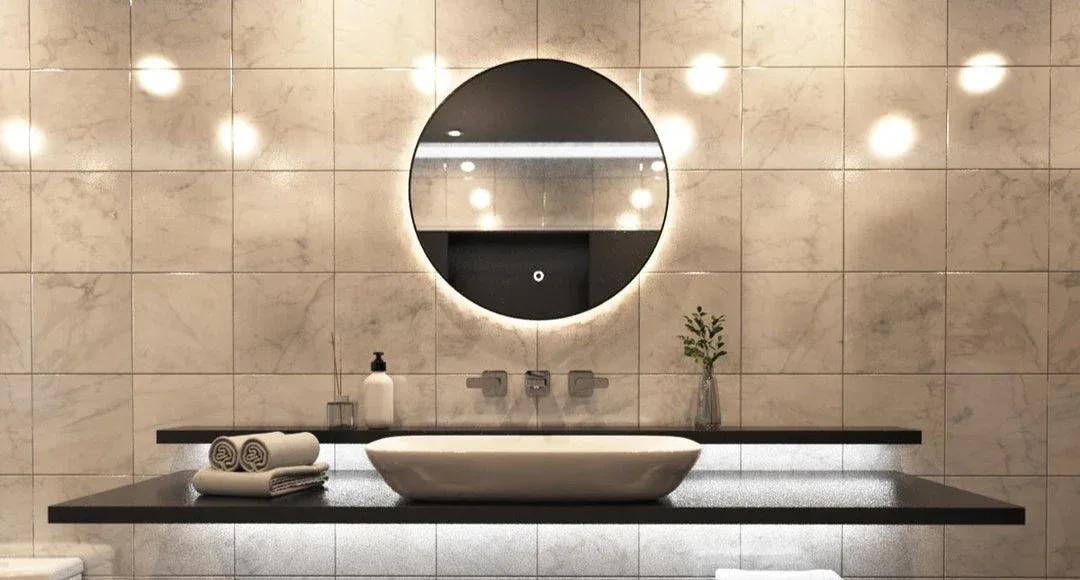
There is a need for a Mirror Zone plan of its own. Most wall mounted fittings here are not in the splash zone, but are still subjected to steam every day - look for at least IP44. Install lights at eye level on either side of the mirror to create balanced light and avoid any shadows under the eyes and chin, and avoid a single fitting overhead, or it will create harsh lighting that casts shadows under the eyes and chin. Upgrade shower or bath mirror to a higher rating if located near a shower or bath. Many of them also opt for the mirror that has built-in lighting and in such cases, the manufacturers' ratings are to be considered. Extras such as anti-fog mirror pads, touch switches or colour-changing features are also frequently found, but none will make up for a lack of proper IP rating on the housing.
The Final Verdict
So what's the need for the rating? For ceiling mounted lights above a shower or wet room: IP65 (wet room). For all other lights in wet room: IP44. When in doubt, go for IP65 for added security, particularly in a home with lots of people where steam, splashes and cleaning sprays are a regular occurrence. Overall the added expense of the additional fitting is well worth the effort in the event of failure. Adding them to the bathroom with bathroom mirror lights in the right places and warm, dimmable, ceiling fittings and the space will be safe, functional and comfortable for years.