
Opening the Door to a New Era of Travel
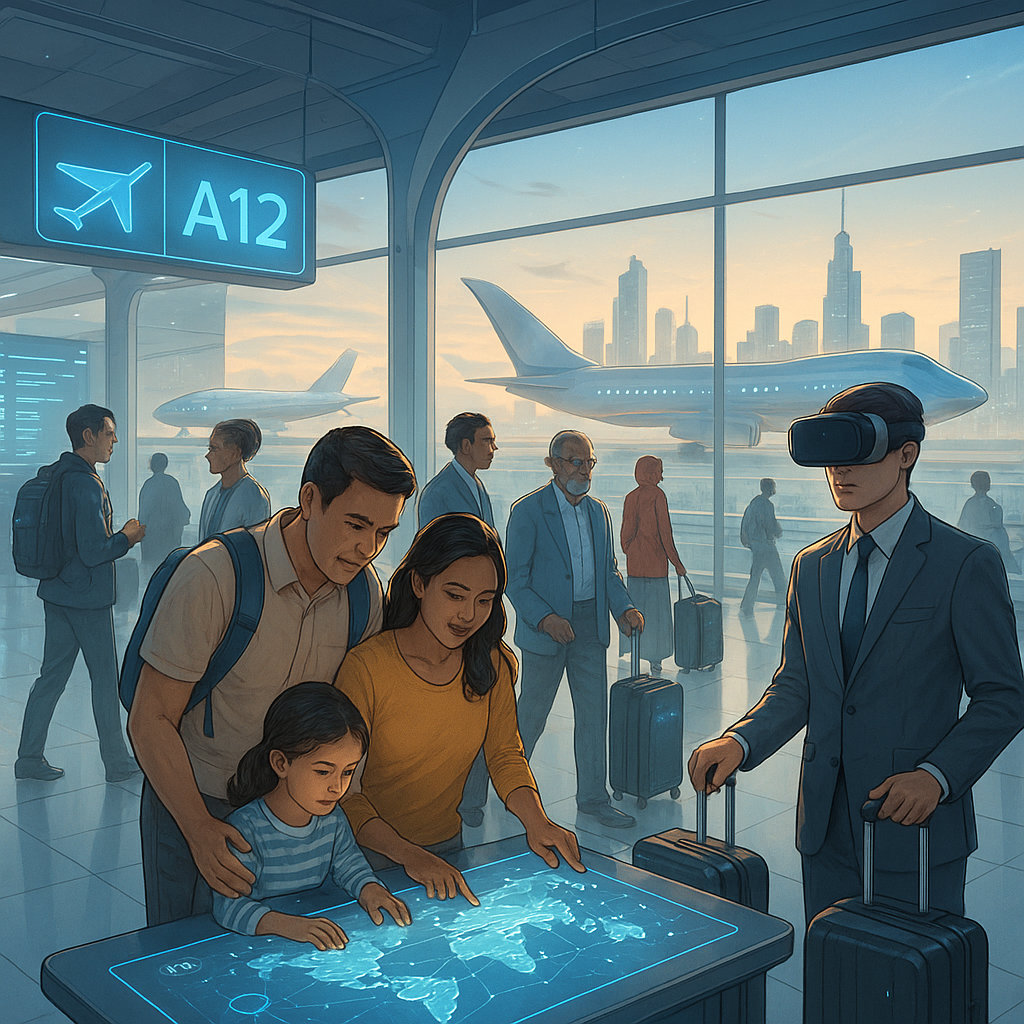
Imagine stepping off a hyperloop pod in Singapore, the scent of rain-dampened streets mixing with the aroma of street food stalls. You glance at your wrist device, which syncs seamlessly with local transit, translating signs and cultural tips in real time. This scene, once futuristic, is now commonplace in 2026. The travel landscape has transformed, merging technology, sustainability, and shifting global dynamics into a complex, vibrant experience. Data from the World Tourism Organization estimates that international tourist arrivals have rebounded past pre-pandemic levels, reaching over 1.8 billion in 2025. Yet, what travelers seek today goes beyond sightseeing; it’s about meaningful connections, personal growth, and responsible exploration.
“The way we travel today is fundamentally different — it’s not just about destinations, but about how travel integrates into our lifestyles and global relationships,” observes Professor Lina Marques, a leading expert in tourism studies.
This article explores the multifaceted evolution of travel in 2026, analyzing the technological leaps, socio-cultural shifts, and environmental imperatives that are reshaping how millions move, connect, and experience the world. By understanding these forces, readers gain insight into travel’s role as a catalyst for lifestyle transformation and global connectivity.
From Post-Pandemic Recovery to Innovation: The Journey So Far
The last decade has been pivotal for travel. After the COVID-19 pandemic shuttered borders and grounded fleets, the industry redefined itself with resilience and innovation. Between 2020 and 2024, the sector focused heavily on health safety protocols and digital transformation. Contactless check-ins, biometric passports, and AI-powered customer service became standard. By early 2025, global travel demand surged, fueled by pent-up desire and improved connectivity.
Underlying this resurgence was a shift in traveler priorities. Surveys from the Global Travel Monitor reveal that 68% of travelers now value sustainability and cultural authenticity over traditional luxury. This has pushed destinations and companies to rethink offerings and operations.
The rise of remote work and hybrid lifestyles further diversified travel patterns. Nomadic professionals now shape new markets, blending leisure with work in extended stays. This shift is notable in urban centers like Lisbon, Bali, and Medellín, which have seen a population influx of long-term visitors seeking community and creativity.
Technology also played a crucial role. The adoption of augmented reality (AR) in museums and heritage sites adds immersive storytelling, while AI-driven personalized itineraries help travelers maximize experiences based on preferences and real-time conditions.
“The pandemic accelerated digital adoption in travel by at least five years. Today’s innovations emerged directly from that crisis response,” remarks Daniel Kim, CTO of a leading travel tech firm.
This background sets the stage for understanding the intricacies of travel’s current state and future trajectory.
2026 Travel Landscape: Trends, Data, and Dynamics
The current travel ecosystem is defined by several intersecting trends. According to the International Air Transport Association (IATA), global air passenger numbers reached 5.1 billion in 2025, exceeding pre-pandemic highs. However, the nature of travel has evolved substantially:
- Sustainable Travel: Over 55% of travelers now prioritize eco-conscious options, influencing airlines to invest in biofuels and electric aircraft prototypes.
- Experience Economy: Demand for authentic, local experiences has surged, with travelers seeking culinary tours, indigenous cultural immersions, and community-led projects.
- Technology Integration: AI, AR, and IoT devices are standard tools for navigation, translation, and health monitoring.
- Health and Safety: Enhanced sanitation protocols remain, supported by wearable health tech that monitors traveler wellbeing.
- Remote Work Travel: Digital nomad visas and flexible accommodation options have expanded to meet growing demand.
These trends reflect a broader shift in how travel integrates with daily life and global relationships. For example, a 2026 survey by GlobalWebIndex shows that 42% of respondents have mixed leisure and professional travel multiple times a year, signaling a blurred line between work and exploration.
Another data point: tourism revenues have diversified beyond traditional destinations. Secondary cities and rural areas in countries such as Vietnam, Portugal, and Colombia are thriving, helped by improved infrastructure and targeted marketing.
Meanwhile, climate change concerns have spurred innovative responses. Airlines like AeroGreen introduced scalable carbon offset programs linked to blockchain for transparent tracking. Hotels have adopted circular economy principles, reducing waste and water use dramatically.
These developments illustrate how travel in 2026 is a complex matrix of economic, environmental, and social factors, each influencing consumer behavior and industry strategy.
Expert Perspectives: Industry Leaders on Travel’s Evolution
Prominent voices in travel and lifestyle sectors emphasize that 2026 marks a pivotal moment. Maria Torres, CEO of Global Horizons Travel Group, highlights the importance of aligning profit with purpose:
“Travel companies must innovate not just for growth but for responsibility. Our customers demand it, and the planet requires it.”
Similarly, Dr. Samuel Lee, a sociologist specializing in mobility, notes the cultural implications:
“Travel is no longer an isolated activity. It shapes identities, social networks, and geopolitical understanding. This interconnectedness fosters empathy but also challenges us to address inequalities embedded in global movement.”
Industry insights emphasize several critical areas of impact:
- Economic Redistribution: New travel hubs are revitalizing local economies, reducing pressure on overcrowded megacities.
- Technological Ethics: Balancing privacy with convenience in data-driven services remains a challenge.
- Environmental Stewardship: The sector’s carbon footprint is a priority, with innovation focused on decarbonization.
- Social Equity: Ensuring travel accessibility across income and ability spectrums is gaining focus.
These perspectives align with academic research and policy initiatives, underlining the complexity of travel’s role in 2026 society.
Case Studies: Real-World Examples of Travel’s Transformation
Several destinations and companies exemplify the 2026 travel ethos. Consider the island nation of Palau, which launched an ambitious program integrating virtual tourism with strict visitor caps to protect its ecosystem. Tourists engage through AR experiences before visiting in person, reducing environmental strain while maintaining economic benefits.
In the corporate sphere, WanderNest, a startup specializing in remote work travel, has pioneered customizable living-work packages across Asia and Europe. Its data-driven approach matches travelers with communities and amenities suited to their professional and lifestyle needs, reporting a 98% satisfaction rate.
Urban regeneration projects also highlight travel’s influence. Porto, Portugal, has successfully balanced tourism influx with resident needs through zoning reforms and community-led cultural programming. This model has garnered attention from cities worldwide seeking sustainable tourism growth.
These examples demonstrate practical applications of the principles shaping travel today, offering blueprints for replication and innovation.
Looking Ahead: What to Watch in Travel’s Next Chapter
As 2026 progresses, several trends warrant close observation for their potential to redefine travel further:
- Hyperconnectivity: Integration of 6G networks and AI will enable more seamless, personalized travel experiences, including predictive health monitoring and automated safety interventions.
- Regenerative Tourism: Beyond sustainability, this approach focuses on actively restoring environments and cultures, with travelers participating in conservation and heritage projects.
- Space and Suborbital Travel: Commercial space tourism is entering a new phase with longer, more affordable flights, expanding the concept of travel beyond Earth.
- Decentralized Travel Economies: Blockchain and decentralized finance (DeFi) may enable peer-to-peer accommodation, transportation, and experiences, reducing dependency on large intermediaries.
- Inclusive Travel Technologies: Advances in assistive tech promise to make travel more accessible for people with disabilities, elderly travelers, and neurodiverse individuals.
Travelers and industry stakeholders alike must adapt to these changes, embracing complexity and innovation to harness travel’s full potential as a force for personal enrichment and global understanding.
For those interested in practical advice on optimizing travel experiences in this evolving context, TheOmniBuzz’s guide on avoiding common travel pitfalls offers valuable insights. Additionally, exploring the shifts highlighted in how travel is transforming lifestyles and global connections provides a broader framework for understanding these trends.
In sum, travel in 2026 is a dynamic, multifaceted phenomenon. It reflects broader societal shifts toward sustainability, technological integration, and cultural exchange. As the world becomes more interconnected, travel’s role extends beyond leisure or business; it becomes a vital thread in the fabric of global community and individual identity.