
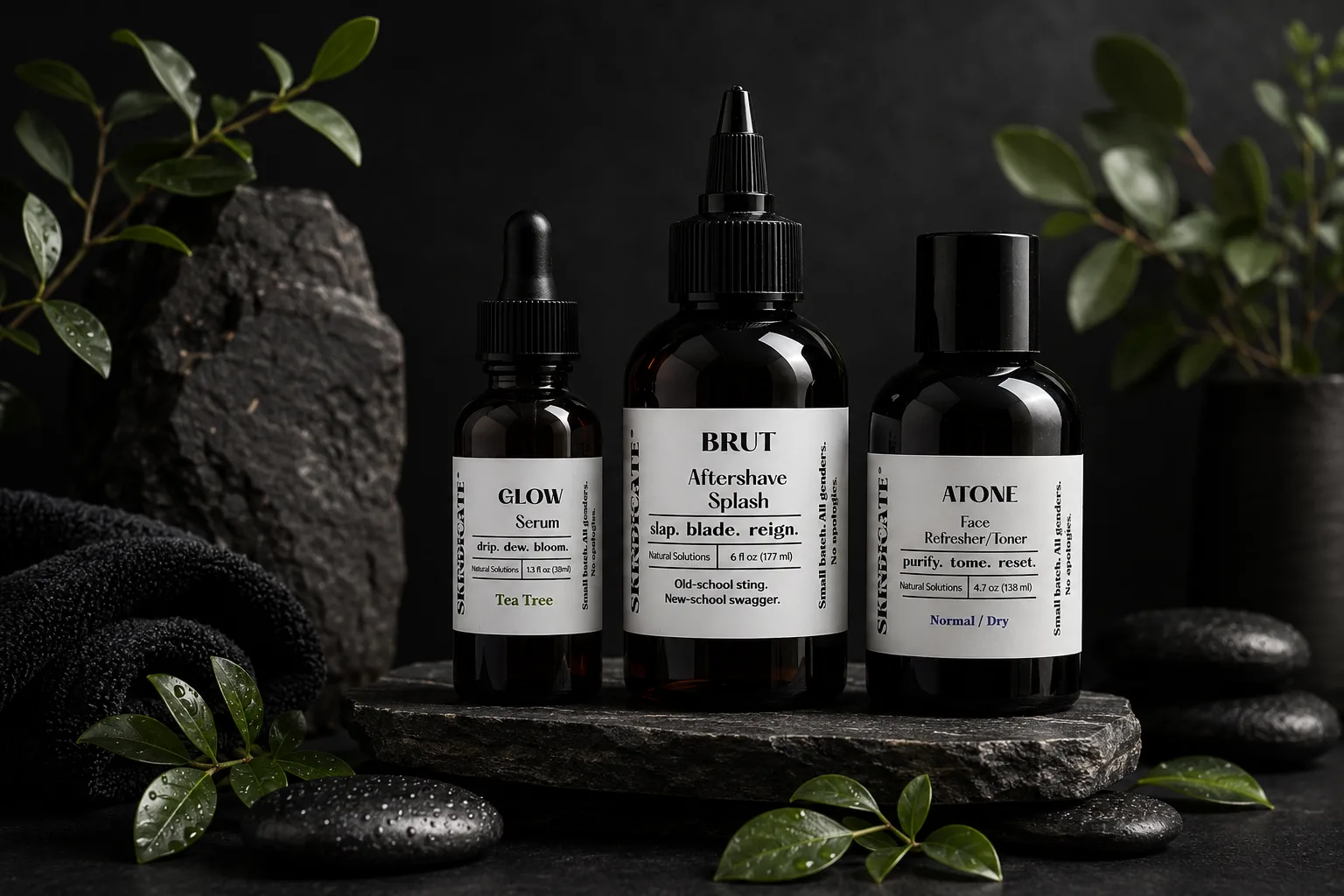
Sensitive skin requires more than a basic skincare routine. It needs products that protect the skin barrier, maintain hydration, and minimize the risk of irritation. Many people experience redness, dryness, itching, or discomfort after using products that contain harsh chemicals, artificial fragrances, or strong exfoliating ingredients. Choosing the right gentle skincare products for sensitive skin can help keep your complexion healthy while reducing common skin concerns.
If you're looking for a safer approach to skincare, understanding ingredients, product labels, and your skin's unique needs is the first step. This guide explains how to select products that support long-term skin health without causing unnecessary irritation.
Why Sensitive Skin Needs Extra Care
Sensitive skin often reacts more quickly to environmental changes, harsh ingredients, and excessive cleansing. While everyone's skin is different, common signs of sensitive skin include:
- Redness after using skincare products
- Dryness and flaking
- Tightness after cleansing
- Burning or stinging sensations
- Frequent irritation from fragrances or alcohol-based products
A gentle skincare routine focuses on protecting the skin's natural moisture barrier instead of stripping it away.
What Makes a Skincare Product Gentle?
Not every product labeled "gentle" is suitable for sensitive skin. The best products are formulated to cleanse, hydrate, and nourish while avoiding ingredients that commonly trigger irritation.
Look for products that are:
- Fragrance-free or lightly scented with natural ingredients
- Free from sulfates and harsh detergents
- Alcohol-free when possible
- Dermatologically tested
- Suitable for daily use
- Designed to maintain the skin's natural pH balance
Many natural skincare products for sensitive skin also use plant-based ingredients that help calm and support the skin without unnecessary additives.
Ingredients That Benefit Sensitive Skin
Reading the ingredient list is one of the most important steps before purchasing skincare products.
Aloe Vera
Aloe vera is known for its soothing and hydrating properties. It helps reduce temporary redness while keeping the skin moisturized.
Chamomile
Chamomile contains natural compounds that help calm sensitive skin and improve overall comfort.
Oat Extract
Colloidal oatmeal supports the skin barrier, relieves dryness, and helps reduce irritation caused by environmental stress.
Calendula
Calendula is commonly used to soothe delicate skin and provide gentle nourishment.
Jojoba Oil
Jojoba oil closely resembles the skin's natural oils, making it an excellent moisturizer without leaving a heavy or greasy feeling.
These ingredients are frequently found in natural skincare products for sensitive skin because they provide hydration while helping maintain a healthy skin barrier.
Ingredients You May Want to Avoid
People with sensitive skin often benefit from limiting exposure to ingredients that can increase irritation.
These include:
- Artificial fragrances
- Harsh sulfates
- Drying alcohols
- Excessive essential oils
- Strong exfoliating acids used too frequently
- Artificial dyes
Every person's skin is different, so performing a patch test before introducing a new product is always a good practice.
Build a Simple Skincare Routine
A simple routine is often the most effective for sensitive skin.
Gentle Cleanser
Start with a mild cleanser that removes dirt and excess oil without disrupting the skin barrier.
Hydrating Toner (Optional)
Choose an alcohol-free toner that adds moisture instead of drying the skin.
Moisturizer
Apply a nourishing moisturizer immediately after cleansing to help lock in hydration and strengthen the skin barrier.
Sunscreen
Daily sunscreen helps protect sensitive skin from UV damage, which can worsen redness and irritation.
Consistency is more beneficial than using multiple active ingredients at the same time.
Always Patch Test New Products
Before applying a new skincare product to your entire face:
- Apply a small amount behind your ear or on your inner arm.
- Wait 24 to 48 hours.
- Watch for redness, itching, or irritation.
Patch testing reduces the chance of an unexpected skin reaction.
Lifestyle Habits That Support Healthy Skin
Your skincare products are only one part of maintaining healthy skin.
You can also support your skin by:
- Drinking enough water daily
- Eating a balanced diet rich in vitamins
- Getting adequate sleep
- Managing stress levels
- Avoiding overly hot showers
- Using a humidifier during dry seasons
Healthy habits work together with gentle skincare products for sensitive skin to improve your skin's overall condition.
How to Shop for Sensitive Skin Products
When comparing skincare products, consider more than attractive packaging or marketing claims.
Look for:
- Transparent ingredient lists
- Products made with skin-friendly ingredients
- Clear usage instructions
- Reputable manufacturers
- Reviews from people with similar skin concerns
Many consumers now prefer natural skincare products for sensitive skin because they often focus on nourishing ingredients while avoiding unnecessary harsh additives.
Final Thoughts
Choosing the right gentle skincare products for sensitive skin is about understanding your skin's needs rather than following trends. Products formulated with calming botanical ingredients, gentle cleansers, and hydrating moisturizers can help reduce irritation while supporting your skin's natural protective barrier.
A consistent routine, careful ingredient selection, and regular hydration can make a noticeable difference over time. Whether you're experiencing occasional sensitivity or managing ongoing skin concerns, selecting high-quality natural skincare products for sensitive skin and using them correctly can help your skin feel calmer, healthier, and more comfortable every day.