Occupational Therapy After Stroke: Regaining Independence in Everyday Life
A stroke can affect much more than a person's ability to walk or move their limbs. Everyday activities such as dressing, bathing, preparing meals, writing, and using household objects may suddenly become difficult. Changes in coordination, memory, concentration, and hand function can also make it challenging to return to familiar routines.
Occupational therapy plays an important role in helping stroke survivors overcome these difficulties. Rather than focusing exclusively on physical strength, it helps individuals relearn meaningful daily activities, develop alternative ways to complete tasks, and adapt their surroundings to improve safety and independence.
Recovery after a stroke is a gradual process, and the support required varies from one person to another. With an individualised rehabilitation programme, survivors can work towards managing everyday responsibilities, participating in family life, and improving their overall quality of life.
What Is Occupational Therapy After a Stroke?
Occupational therapy is a specialised rehabilitation service that helps people participate in activities that are important to their daily lives. Following a stroke, an occupational therapist evaluates how physical, cognitive, sensory, and perceptual changes affect a person's ability to perform routine tasks.
The assessment may cover dressing, personal hygiene, eating, cooking, handwriting, using the affected arm, and moving safely around the home.
Based on these findings, the therapist develops a personalised treatment plan. This may include practising daily activities, improving upper-limb function, developing problem-solving strategies, recommending adaptive equipment, and modifying the home environment.
The main goal is to help the individual achieve the highest possible level of independence while maintaining safety and dignity.
How Does a Stroke Affect Everyday Activities?
The brain controls movement, sensation, attention, memory, planning, and coordination. When a stroke damages the areas responsible for these functions, familiar activities can become difficult or unsafe.
Some common challenges include:
- Difficulty holding a spoon, cup, toothbrush, or other everyday object.
- Reduced control over the arm or hand on one side of the body.
- Problems fastening buttons, wearing clothes, or tying shoelaces.
- Difficulty preparing meals or managing household tasks.
- Reduced attention, memory, or ability to follow multiple steps.
- Trouble judging distances or noticing objects on one side.
- Difficulty completing personal care without assistance.
The severity of these problems depends on the extent and location of the brain injury. Some survivors experience temporary limitations, while others require long-term adaptations and support.
Occupational therapy identifies the specific activities affected and works towards improving performance through structured practice and appropriate strategies.
Key Benefits of Occupational Therapy for Stroke Survivors
1. Improving Independence in Personal Care
Bathing, dressing, grooming, and using the toilet are important parts of everyday life. After a stroke, weakness, poor balance, or reduced coordination can make these activities challenging.
Occupational therapists help patients practise personal care tasks using safe techniques. For example, a survivor may learn a different way to put on a shirt, use a dressing aid, or organise toiletries within easy reach.
Bathroom modifications, grab bars, shower chairs, and other adaptive equipment may also be recommended when appropriate.
These strategies can help reduce dependence on caregivers while lowering the risk of falls and other injuries.
2. Restoring Hand and Arm Function
Reduced movement in the affected arm or hand can interfere with eating, writing, grooming, and handling household objects.
Occupational therapy may include reaching exercises, grasp-and-release activities, fine motor practice, and repeated use of the affected limb during meaningful tasks.
Treatment is tailored to the person's abilities. Some patients may practise picking up lightweight objects, while others may work on more complex activities such as folding clothes or handling utensils.
When voluntary movement is limited, therapists may introduce appropriate adaptive techniques or equipment to support participation in daily activities.
3. Developing Better Coordination
Many everyday activities require both hands to work together. Opening a container, folding a towel, preparing food, or fastening clothing may become difficult when coordination is impaired.
Therapists use structured activities to help patients practise controlled movements and improve their ability to organise tasks. Exercises may gradually progress from simple actions to more demanding activities as the patient's abilities improve.
The aim is to build practical skills that transfer to real-life situations.
4. Addressing Memory and Cognitive Difficulties
Some stroke survivors experience difficulties with attention, memory, sequencing, or problem-solving. These changes may affect the ability to follow instructions, remember appointments, prepare a meal safely, or manage a daily routine.
Occupational therapists may introduce strategies such as written checklists, visual reminders, simplified instructions, and consistent routines.
Activities can also be structured to practise planning, attention, and task completion. When cognitive difficulties affect safety, supervision and additional assessment may be necessary.
5. Improving Safety at Home
Returning home after a stroke can present challenges, especially when movement, vision, balance, or attention has changed.
An occupational therapist may assess the home environment and identify potential hazards. Recommendations can include removing loose rugs, improving lighting, clearing walkways, repositioning frequently used objects, and installing suitable bathroom supports.
The therapist may also suggest alternative ways to complete household tasks without unnecessary strain or risk.
These modifications help make everyday activities more manageable and support a safer transition from hospital to home.
Occupational Therapy Techniques Used in Stroke Rehabilitation
Occupational therapy programmes are designed around the survivor's functional limitations and personal goals. Several approaches may be used depending on the individual's condition.
Task-Specific Practice
Task-specific practice involves repeatedly performing an activity that the patient wants to improve. Examples include holding a cup, using a spoon, fastening buttons, or reaching for objects on a table.
The therapist adjusts the task's difficulty to provide an appropriate challenge while maintaining safety.
Upper-Limb Rehabilitation
When the arm or hand is affected, therapy may focus on reaching, grasping, releasing objects, and coordinating movements. Repetitive practice can help survivors work towards improved functional use of the affected limb.
Selected patients may benefit from approaches such as constraint-induced movement therapy, which encourages use of the affected arm under specific clinical conditions. It is not suitable for everyone and requires professional assessment.
Adaptive Equipment Training
Some survivors may not immediately regain the movements required for particular activities. Adaptive equipment can help them complete tasks more safely.
Examples include long-handled reachers, dressing aids, adapted cutlery, button hooks, and suitable seating or bathroom equipment.
A therapist can recommend the most appropriate options and demonstrate how to use them correctly.
Cognitive and Visual-Perceptual Strategies
Stroke may affect how a person processes information or recognises objects in their surroundings. Some survivors experience visual neglect, in which they have difficulty attending to one side of their environment.
Therapy may include structured scanning strategies, environmental adjustments, and activities designed to address specific perceptual difficulties. The approach depends on the results of a professional assessment.
When Should Occupational Therapy Begin After a Stroke?
Occupational therapy may begin once the patient is medically stable and the treating team determines that participation is safe. Initial assessment can take place during hospitalisation, allowing the rehabilitation team to identify difficulties with self-care, arm function, cognition, and daily activities.
Following discharge, therapy may continue through an inpatient rehabilitation programme, outpatient appointments, or home-based sessions.
The timing, frequency, and intensity of treatment depend on the patient's condition, endurance, functional goals, and response to rehabilitation.
Early assessment can help identify support needs, but it is also possible to benefit from occupational therapy later in recovery when new goals emerge or persistent difficulties need attention.
Occupational Therapy vs Physiotherapy: What Is the Difference?
Occupational therapy and physiotherapy have different primary focuses, but they often work together as part of a comprehensive stroke rehabilitation programme.
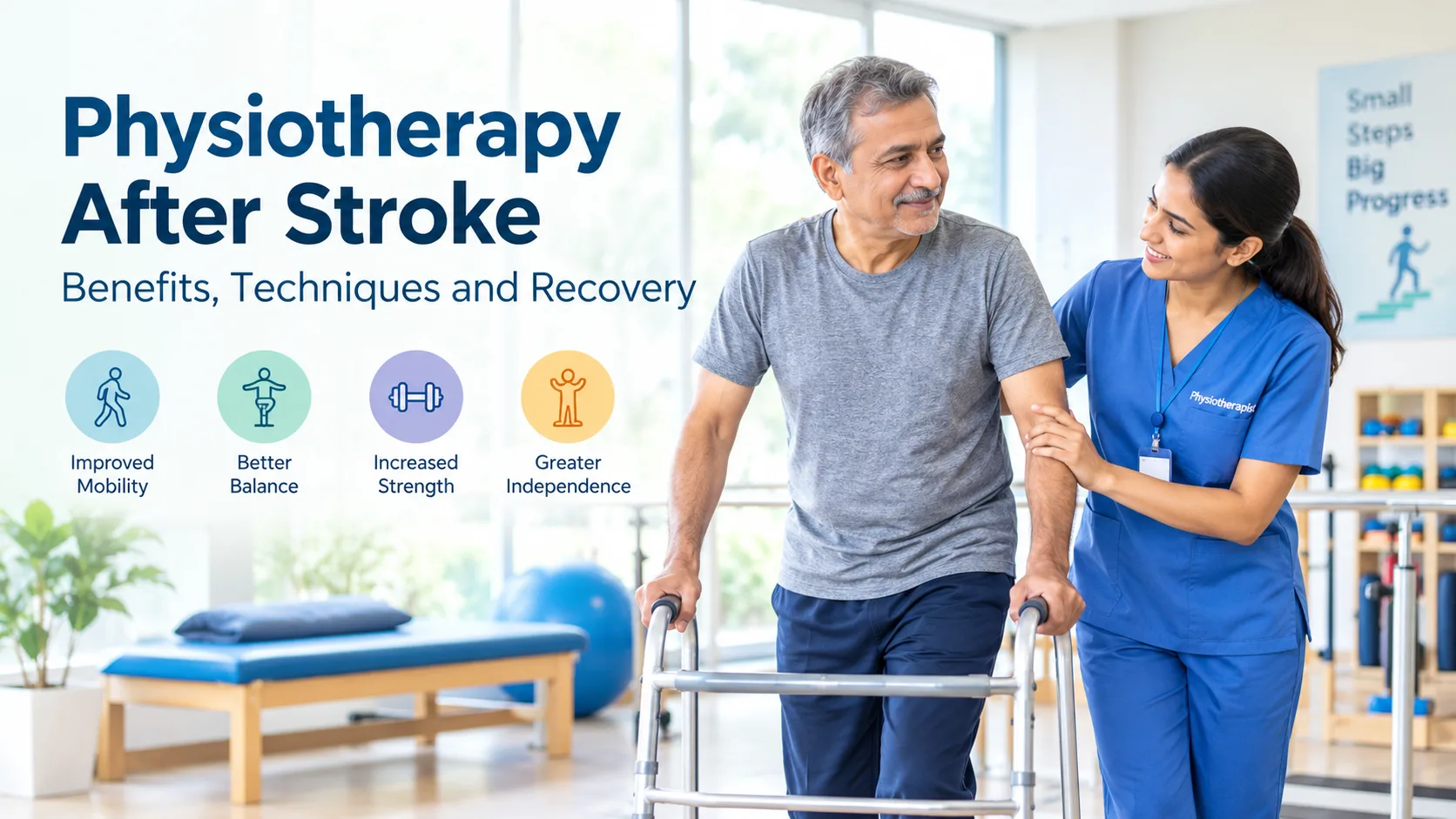
Physiotherapy generally focuses on physical movement, strength, balance, posture, transfers, and walking ability.
Occupational therapy focuses on performing everyday activities, using the arms and hands functionally, adapting routines, addressing relevant cognitive difficulties, and making the home environment safer.
For example, a physiotherapist may help a survivor improve the balance required to stand safely. An occupational therapist may then help the same person practise standing while performing a dressing task, where appropriate.
Both disciplines contribute to functional recovery, and the combination required depends on the individual's needs.
The Role of PM&R in Coordinating Stroke Rehabilitation
Physical Medicine and Rehabilitation (PM&R) provides medical oversight for people recovering from stroke and other conditions that affect function.
A physiatrist evaluates the patient's rehabilitation needs, helps manage complications such as spasticity and pain, and coordinates treatment with other professionals.
For a stroke survivor, the rehabilitation team may include a physiatrist, occupational therapist, physiotherapist, speech and language therapist, rehabilitation nurse, and other specialists as required.
This coordinated approach helps ensure that therapy addresses the patient's overall functional goals rather than treating individual problems in isolation.
For example, a survivor who has difficulty dressing may need occupational therapy for adaptive techniques, physiotherapy for balance and transfers, and medical management for painful shoulder stiffness.
How Family Members Can Support Occupational Therapy at Home
Family members can help survivors practise recommended skills between therapy sessions. However, support should encourage safe participation rather than creating unnecessary dependence.
Helpful strategies include:
- Allowing extra time for dressing, grooming, and eating.
- Keeping commonly used items within safe reach.
- Following the therapist's instructions for adaptive equipment.
- Encouraging the survivor to perform tasks they can manage safely.
- Reducing distractions when concentration is difficult.
- Maintaining a consistent daily routine where helpful.
- Avoiding activities that create an unreasonable risk of falls, burns, or other injuries.
Caregivers should not force movement in a painful or stiff arm. They should seek guidance if a task becomes difficult, the patient's abilities change, or additional assistance is needed.
Choosing the Right Stroke Rehabilitation Centre
Access to suitable rehabilitation services can help stroke survivors address functional difficulties and work towards greater independence.
When considering a rehabilitation centre, patients and families should assess the availability of medical supervision, individualised rehabilitation plans, occupational therapy, physiotherapy, and additional services such as speech and swallowing therapy when required.
It is also useful to understand how rehabilitation goals are established, how progress is reviewed, and whether caregivers receive guidance for supporting recovery at home.
Those searching for the best stroke rehabilitation hospital in india can visit Garden PMR Hospital's stroke page to learn more about relevant care options and available services.
The most appropriate setting depends on the survivor's medical condition, functional limitations, rehabilitation goals, and level of support available outside the facility.
How Long Does Occupational Therapy Take After a Stroke?
The duration of occupational therapy varies considerably. Some patients need a short period of treatment to address specific difficulties, while others require ongoing rehabilitation to manage more significant limitations.
Progress depends on factors such as the severity of the stroke, the functions affected, the person's general health, and their response to therapy.
Treatment goals may change over time. Initially, the focus may be on eating or dressing safely. Later, therapy may address meal preparation, household responsibilities, returning to work, or participating in social activities.
Regular reassessment helps ensure that treatment remains relevant to the patient's needs.
Frequently Asked Questions
Can occupational therapy help a stroke survivor become independent?
Occupational therapy can help survivors improve daily living skills, use adaptive equipment, and develop strategies for managing functional limitations. The degree of independence achieved depends on the individual's condition and recovery.
Is occupational therapy necessary if a person can walk after a stroke?
Walking does not necessarily mean that every daily activity has returned to normal. A person may still have difficulties with hand function, dressing, memory, coordination, or household tasks. An assessment can determine whether occupational therapy would be beneficial.
Can occupational therapy improve hand function after a stroke?
Occupational therapy can help patients practise functional hand movements and develop strategies for using the affected arm. Improvement varies according to the severity of the injury and the individual's response to treatment.
Can occupational therapy continue at home?
Yes. Home-based occupational therapy may be suitable for some patients. It can focus on activities within the person's actual living environment and help identify practical adaptations. The programme should be guided by an appropriate assessment.
Does occupational therapy help with cognitive problems after a stroke?
Occupational therapists may address the effect of cognitive difficulties on daily activities by introducing routines, reminders, task simplification, and compensatory strategies. Further assessment or specialist input may be required depending on the symptoms.
Conclusion
Occupational therapy is an important part of stroke rehabilitation because it helps survivors work towards greater independence in everyday life. By addressing self-care, hand function, coordination, cognitive challenges, and home safety, it supports practical improvements that can make daily routines more manageable.
When combined with physiotherapy, appropriate medical supervision, and other rehabilitation services as needed, occupational therapy provides a goal-oriented approach to recovery. With individualised treatment, consistent practice, and suitable support, stroke survivors can work towards participating more confidently in their daily activities and improving their quality of life.