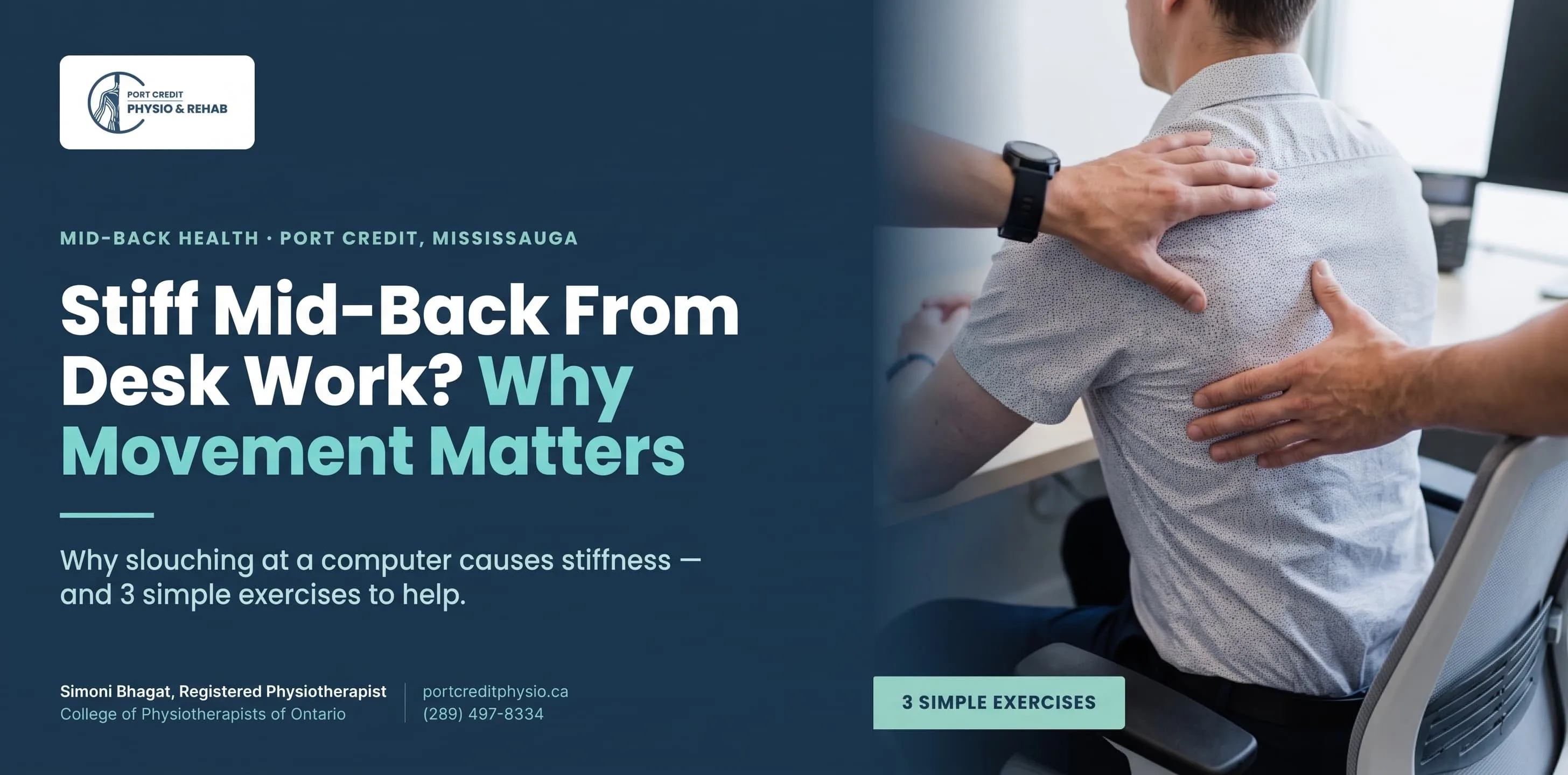

Most of us have woken up with a stiff back and blamed the mattress. Usually that’s fair. A pulled muscle or a long day hunched over a laptop explains plenty of aches, and they fade within a few days. But now and then the pain isn’t really about the back at all. The nerves running through your spine are the ones complaining, and they speak a different language. Learning to recognise it early can save you months of the wrong treatment.
1. The pain refuses to stay put
Muscle pain tends to stay where it started. Nerve pain likes to wander. If an ache in your lower back runs through the buttock and down the back of your leg, sometimes all the way to the foot, a compressed nerve is a likely suspect. This pattern is called sciatica, and it’s one of the main reasons people eventually look for a neurology specialist in Gwalior after weeks of home remedies.
2. Pins and needles
Odd sensations are a big clue. Prickling, crawling or buzzing in a leg, foot, arm or hand doesn’t come from a tired muscle. It means a nerve signal is being disturbed somewhere along its route, and the back is often where the trouble begins.
3. Numbness in a patch of skin
Some people describe it as touching something through a thin glove. You may notice it while bathing, shaving or crossing your legs. A little numbness after sitting awkwardly is normal. Numbness that lingers for days is not something to be patient with.
4. Burning, shooting or electric pain
Ask someone with a trapped nerve to describe their pain and they rarely say “sore.” They say burning, stabbing, or like an electric shock. A sudden jolt when you cough, sneeze or bend forward is especially telling, because those movements briefly raise the pressure around your spine.
5. Weakness you can’t explain
Maybe your foot catches on the kerb. Maybe a cup slips out of your hand, or you struggle to rise onto your toes. Weakness matters more than pain alone, because it suggests the nerve is having trouble delivering its message to the muscle. This is not a symptom to wait out.
6. Rest doesn’t help, and nights are worse
Ordinary mechanical back pain usually eases when you lie down. Nerve-related pain often doesn’t. It may even wake you at 2 a.m. and refuse to settle no matter how you turn. If rest, painkillers and a week of taking it easy haven’t made a dent, something other than a simple strain is probably going on.
7. Bladder, bowel or groin changes
This is the one that cannot wait. Back pain together with difficulty passing urine, loss of bladder or bowel control, or numbness around the groin and inner thighs can point to a serious condition where the nerves at the base of the spine are being squeezed. Go to a hospital the same day. Please don’t book a routine appointment for next week.
So who should you actually see?
Here’s where many people lose time. Back pain sounds like a bone problem, so they head straight to one kind of doctor and stay there. The truth is that spine and nerve conditions overlap, and the best care often involves both sides.
If your symptoms lean towards tingling, numbness, burning or weakness, a neurology specialist in Gwalior can examine how well your nerves are working and work out where the signal is getting blocked. If imaging shows a slipped disc, a narrowed spinal canal or a structural problem that may need correction, the top orthopedic surgeon in Gwalior can advise whether medication and physiotherapy will be enough or whether a procedure makes sense. Many patients are helped most when the two opinions are put side by side rather than weighed against each other.
A few small habits that help in the meantime
None of this replaces a proper examination, but sensible daily habits do make a difference. Don’t sit for hours without standing up. Keep your screen at eye level so your neck isn’t constantly craning forward. Lift with your knees instead of your waist. And if a symptom keeps coming back, write down when it happens and what you were doing. That simple note can give your doctor more clues than you’d expect.
The bottom line
Your body usually whispers before it shouts. Pain that travels, tingling, numbness, electric sensations, weakness and unrelenting night pain are all whispers worth listening to. The sooner a nerve problem is identified, the better the chances of treating it without drastic steps. If two or more of these signs sound familiar, don’t keep guessing. Get it looked at.