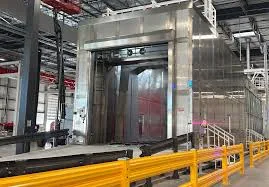
Maintaining a clean environment requires more than regular cleaning and a well-designed ventilation system. In facilities where dust, airborne particles, moisture, or chemical residues can affect the quality of a product, every surface and building component must be chosen carefully. Doors are particularly important because they connect different rooms and can influence how people, materials, and air move throughout a facility.
FRP cleanroom doors offer a durable option for controlled environments where surface cleanliness, moisture resistance, and long-term performance matter. FRP stands for fiber-reinforced plastic, a material made by combining plastic resin with reinforcing fibers, commonly glass fibers. The resulting composite can provide a useful balance of strength, weight, and resistance to environmental conditions.
Unlike a door made entirely from traditional materials, an FRP door can be manufactured with a surface that resists moisture and is relatively easy to clean. These properties make it worth considering for certain pharmaceutical facilities, laboratories, electronics manufacturing spaces, and other specialized industrial environments.
However, not every FRP door is automatically suitable for every cleanroom. The construction, surface finish, frame, seals, hardware, and installation all influence its performance. A door intended for a general industrial space may not meet the requirements of a room that needs strict contamination control.
Understanding the material and its practical advantages can help facility managers choose a door that supports their environmental requirements without overlooking durability, maintenance, or operational needs.
What Are FRP Cleanroom Doors?
FRP cleanroom doors are doors made using fiber-reinforced plastic components and designed for use in environments where cleanliness and controlled conditions are important.
To understand the material, imagine mixing a reinforcing material into a plastic base to create a composite. The resin binds the components together, while the fibers help provide strength and stiffness. Glass fiber is commonly used because it can reinforce the plastic without adding the weight associated with some traditional construction materials.
The finished product can be shaped into panels or other door components suited to the intended application. Depending on the manufacturer, the door may include an FRP surface over a core made from another material. The frame, seals, hinges, and other hardware may be made from different materials selected for the operating environment.
This means buyers should not assume that every FRP door has the same internal construction or performance characteristics.
For example, two doors may both have FRP surfaces but differ in their core materials, panel thickness, edge construction, and sealing arrangements. Those differences can affect their weight, strength, insulation, and suitability for particular conditions.
In a cleanroom, the goal is to select a complete door assembly that supports the required level of cleanliness and environmental control. The material is one part of that decision, not the only consideration.
Understanding the Main Advantages of FRP Doors
FRP is used in various industrial products because its properties can be useful in environments where moisture, frequent cleaning, and repeated use place demands on building components.
1. Resistance to Moisture
One of the reasons businesses consider FRP cleanroom doors is their potential to perform well in damp environments.
Unlike untreated wood, which can absorb moisture and swell, a properly manufactured FRP surface generally resists water absorption. This can be useful in facilities where doors are exposed to humid air, regular cleaning, or occasional splashes.
Consider a production room that is cleaned frequently. A material that resists moisture can help reduce problems associated with water absorption and surface deterioration.
However, the entire assembly matters. Exposed edges, damaged coatings, joints, hardware, and the materials beneath the surface may respond differently to moisture. Buyers should confirm that the specific model is suitable for the cleaning methods and exposure levels expected in their facility.
2. Surfaces That Support Routine Cleaning
Cleanroom doors need surfaces that can be cleaned according to the facility's established procedures.
FRP panels can be manufactured with smooth finishes that make it easier to remove ordinary dust and surface residues. Depending on the product, the surface may also withstand repeated wiping with approved cleaning agents.
This can be useful in laboratories, pharmaceutical production areas, and other spaces where staff follow scheduled cleaning routines.
Still, a smooth surface alone does not guarantee hygienic performance. Seams, joints, damaged areas, and poorly designed hardware can create places where residues collect. The door should be evaluated as a complete assembly, including the areas around its edges and frame.
Facilities should also confirm chemical compatibility before using disinfectants or cleaning products. Some chemicals can damage particular resins, coatings, or seals even when the material generally offers good moisture resistance.
3. A Useful Strength-to-Weight Balance
FRP can provide structural strength without necessarily requiring the weight of some solid metal constructions.
The actual weight of a door depends on its thickness, internal core, reinforcement, and overall design. Nevertheless, a suitably engineered FRP panel may be a practical option where manageable door weight is desirable.
For example, a facility with several frequently used doorways may benefit from panels designed to operate smoothly without placing unnecessary demands on the hinges or operating mechanism.
Weight should never be considered separately from strength. A lightweight door is not automatically strong enough for heavy impacts or demanding industrial use. The selected model must meet the physical requirements of its intended location.
4. Resistance to Corrosion
Metal components can corrode when exposed to moisture or certain chemicals, depending on the type of metal and the surrounding conditions. FRP itself does not rust in the way iron or steel does.
This can make FRP useful in selected environments where moisture exposure is a concern.
However, a door may still contain metal hardware, fasteners, or a supporting frame. These components must also be suitable for the environment. Where cleaning chemicals are used regularly, buyers should assess the complete door assembly rather than focusing only on the panel material.
5. Potential for Long Service Life
Industrial doors may be opened and closed repeatedly throughout the working day. Their surfaces can also be exposed to cleaning, accidental contact, and everyday wear.
A well-designed FRP door can offer durable performance when used within its specified limits. Resistance to moisture and the absence of rust in the composite material may help reduce certain maintenance concerns.
Long-term performance still depends on construction quality, installation, usage, and maintenance. A door that experiences repeated impacts or exposure to unsuitable chemicals may deteriorate even if its primary material is FRP.
Buyers should review warranty terms, recommended operating conditions, and the availability of replacement hardware before making a final decision.
Why Material Selection Matters in a Cleanroom
Cleanrooms are designed to control airborne particles and maintain specified environmental conditions. Their requirements vary according to the industry, manufacturing process, and sensitivity of the products being handled.
A door can affect these conditions through its surface properties, seals, construction details, and the way it closes against the frame.
Managing Contamination Risks
Dust and other particles can enter a controlled space through people, materials, equipment, and air movement. Door surfaces should therefore be suitable for the cleaning procedures used to manage contamination.
An FRP surface may be helpful when it provides a smooth, durable finish compatible with the facility's cleaning agents. However, the door itself does not prevent all contamination.
Staff movement, air filtration, room pressure, clothing requirements, and cleaning practices remain important. The door should be selected as one element of the complete environmental control system.
Supporting Room Pressure
Some cleanrooms operate at higher or lower air pressure than adjoining spaces to help control the direction of airflow.
When a door opens, the pressure difference may cause air to move between the rooms. The amount and direction of this movement depend on the ventilation system and the conditions at the doorway.
A door with suitable seals can help reduce unwanted air leakage when closed, but FRP as a material does not automatically make a door airtight.
Facilities with strict pressure requirements should verify the sealing performance of the proposed assembly and assess how it works with the building's ventilation system.
Maintaining Consistent Cleaning Procedures
Different cleanrooms may use different cleaning agents, disinfectants, and methods. Some areas require frequent wiping, while others may be exposed to more demanding chemical cleaning or washdown procedures.
The door material must tolerate the products used in that particular facility. Even materials generally known for moisture resistance can have limitations when exposed to strong chemicals or elevated temperatures.
A manufacturer should be able to provide guidance on suitable cleaning products, operating limits, and recommended maintenance practices.
Where Are FRP Cleanroom Doors Used?
The suitability of an FRP door depends on the application, but the material can be considered in several types of controlled or hygiene-sensitive environments.
Pharmaceutical Manufacturing
Pharmaceutical facilities may contain separate rooms for production, inspection, packaging, and material preparation. Each space can have specific cleanliness and environmental requirements.
Doors between these areas must support routine cleaning and work within the facility's contamination-control procedures.
An appropriately specified FRP door may be suitable where its surface, seals, and construction meet the required conditions. Buyers should also consider the cleaning agents used, the room's pressure relationships, and the frequency of door operation.
The door must be selected as part of the overall facility design. Its material alone does not establish compliance with pharmaceutical manufacturing standards.
Medical Device Production
Medical devices can require carefully controlled manufacturing conditions, depending on the type of product and the stage of production.
Doors used in assembly or packaging areas may need surfaces that tolerate repeated cleaning and remain in good condition during everyday use.
FRP may be an option where its chemical resistance, surface finish, and physical properties match the requirements. However, the facility should assess whether the complete door system meets its hygiene, documentation, and environmental specifications.
Laboratories and Research Facilities
Laboratories often contain different work areas with varying requirements for cleanliness, moisture resistance, and chemical exposure.
An FRP door may be appropriate for a room where a durable, cleanable surface is needed. Before installation, the facility should confirm compatibility with the chemicals handled in the area.
A laboratory dealing with aggressive solvents or specialized biological materials may require a different construction or additional protective features. General FRP suitability should not be confused with resistance to every chemical or containment requirement.
Electronics Manufacturing
Some electronics manufacturing processes take place in controlled environments where airborne particles can affect sensitive components.
Door surfaces and construction should be selected to support the cleanroom's contamination-control procedures. Depending on the process, the facility may also need to consider static-control properties and other specialized requirements.
FRP is not automatically static-dissipative. Where static electricity could damage products or interfere with a process, buyers must confirm that the selected door has the required documented properties.
Food and Hygienic Processing Areas
Certain food processing and packaging facilities use specialized rooms where moisture, cleaning frequency, and hygiene are important considerations.
An appropriately designed FRP door may offer benefits in areas where water resistance and cleanable surfaces are useful.
However, the door must be suitable for the facility's sanitation procedures and operating environment. Buyers should verify material compatibility, edge construction, and hardware performance rather than assuming that any FRP product is suitable for food production.
FRP Cleanroom Doors Compared With Metal and Wood Doors
Different materials offer different benefits. The best choice depends on the conditions in which the door will operate.
FRP Compared With Metal
Metal doors can provide strength and may be suitable for applications requiring rigid panels or particular levels of impact resistance. Their performance depends on the metal used, surface treatment, panel construction, and surrounding environment.
FRP does not rust like iron or steel, which can be advantageous in selected damp environments. It may also offer a useful strength-to-weight balance.
However, metal doors can be engineered with specialized finishes and sealing systems, and some may be more appropriate for applications involving high physical loads. FRP is not automatically stronger, lighter, or more durable than every metal door.
FRP Compared With Wood
Wood can be used in various building applications, but its response to moisture depends on the species, treatment, finish, and construction. Untreated or damaged wood may absorb water and change shape.
FRP surfaces generally resist moisture absorption, which can make them attractive for certain controlled environments.
Nevertheless, some wood-based doors may be engineered with protective finishes, and the suitability of either option depends on the specific requirements. Cleanroom buyers should prioritize documented performance and compatibility with cleaning procedures rather than choosing based on material labels alone.
How to Choose the Right FRP Cleanroom Door
Selecting a suitable door begins with a clear understanding of the room and its daily activities.
Identify the Environmental Requirements
Determine the required cleanliness level, pressure conditions, cleaning routine, and any special chemical or temperature exposure.
These factors influence the materials, sealing arrangement, and construction details that the door must provide.
If the facility operates under a specific standard or validation process, involve the responsible engineering and quality teams before finalizing the selection.
Check Panel and Core Construction
Ask how the door is constructed, including the FRP surface, internal core, edges, and supporting components.
The core can influence the door's weight, insulation, rigidity, and response to moisture. The edges and joints also deserve attention because they may be exposed to cleaning and everyday contact.
Request product specifications rather than relying on a general description of the material.
Evaluate Sealing and Frame Design
The door frame and perimeter seals affect how well the closed door separates adjoining spaces.
Consider whether the application requires general room separation, reduced air leakage, or a more specialized sealing arrangement. Verify that the frame and hardware are compatible with the environmental conditions.
Where pressure control is important, coordinate the door selection with the facility's ventilation design.
Consider Traffic and Operating Method
Estimate how often the door will be used and whether employees will move carts or equipment through the opening.
A manual door may be suitable for occasional use, while automatic operation may be more practical in a busy corridor. The selected system should provide safe operation and suit the door's size and weight.
Review Maintenance and Replacement Needs
Ask about cleaning instructions, inspection schedules, replacement seals, hardware, and service support.
A door that is easy to inspect and maintain can help reduce disruption when repairs are required. Confirm the expected service conditions and warranty coverage before purchasing.
Installation and Maintenance Best Practices
Even a well-made FRP door needs correct installation. The frame must be aligned, the panel must operate smoothly, and the seals must contact the intended surfaces properly.
The installation should also account for the wall construction, surrounding equipment, access requirements, and any connection to automatic controls.
After installation, the facility should check the door's movement, closing behavior, sealing arrangement, and compatibility with the cleanroom's operating conditions.
Maintenance should follow the manufacturer's instructions. Regular inspections can help identify cracks, surface damage, worn seals, loose hardware, or problems with hinges and closers.
Cleaning products should be approved for the specific FRP formulation and any other exposed materials. Using an unsuitable chemical may damage the surface or seals over time.
Where cleanroom performance is critical, door condition should be reviewed as part of the facility's wider maintenance and environmental monitoring program. Any damage that affects cleanability or the intended seal should be assessed and corrected promptly.
Choosing an Industrial Door Supplier
Selecting a supplier is an important part of the purchasing process. Businesses should look for clear technical information, practical application guidance, and support that extends beyond the initial sale.
Ask for details about the door's materials, panel construction, sealing performance, available sizes, and maintenance requirements. If the room has special environmental needs, explain them before requesting a recommendation.
Newport Company provides industrial door solutions for demanding facility environments. Businesses considering FRP cleanroom doors should discuss their cleanliness requirements, cleaning methods, and operating conditions with a qualified supplier to determine whether the proposed design is appropriate.
A careful review before purchase can help prevent problems involving unsuitable materials, inadequate sealing, or a door that does not fit the facility's workflow.
Conclusion
FRP cleanroom doors can be a useful option for facilities that need durable door surfaces, moisture resistance, and compatibility with regular cleaning. Their fiber-reinforced plastic construction may provide practical advantages in selected pharmaceutical, laboratory, electronics, and industrial environments.
However, the material alone does not determine whether a door is suitable for a cleanroom. Panel construction, internal core, seals, hardware, chemical compatibility, and installation all affect performance.
Businesses should begin by identifying the requirements of the room and then compare door systems against those conditions. Reviewing technical documentation and involving the relevant facility specialists can help ensure that the chosen model meets the intended needs.
With appropriate material selection, correct installation, and regular maintenance, an FRP door can contribute to a cleanroom design that supports everyday operations while helping maintain the required environmental conditions.