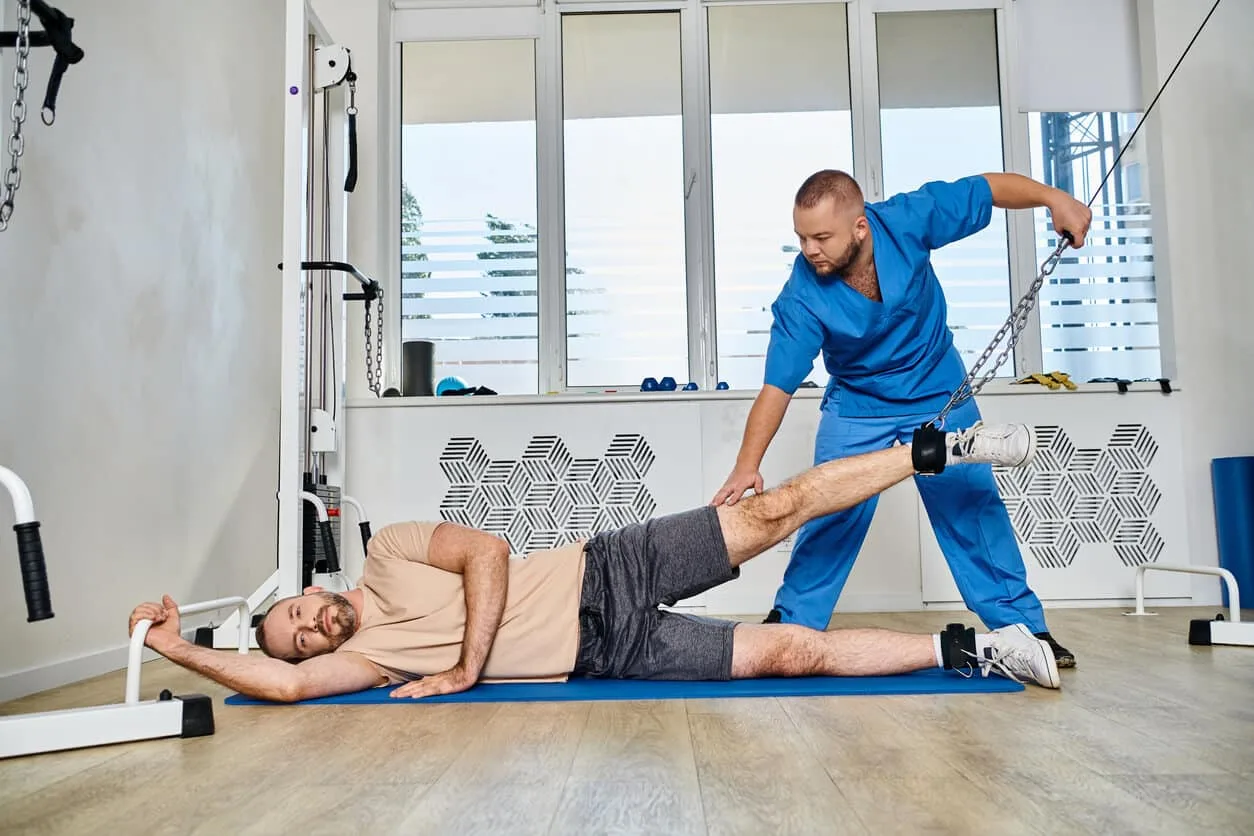
Not long ago, recovery from a sports injury was simple. You rested, waited, and hoped for the best. Many athletes came back too early. Some got hurt again. Others never felt the same.
Today, things look very different. Comprehensive sports medicine treats the whole person, not just the sore spot. It brings experts together, uses smart tools, and builds a clear path back to play. This article explains how that works and why it matters for every active person
What Does Comprehensive Sports Medicine Mean?
Comprehensive care means looking at the full picture. Doctors do not only ask where it hurts. They ask how you train, how you eat, how you sleep, and what you want to achieve. A runner, a weightlifter, and a weekend cyclist all need different plans.
This care is not only for elite athletes. Anyone whose activity is limited by pain or injury can benefit. That includes people who simply want to stay active and fit.
The Power of a Team Approach
One expert cannot cover everything. That is why modern clinics use a team. A typical group includes a sports physician who diagnoses the problem and a physiotherapist who guides rehab. An athletic trainer supports daily training. A dietitian plans meals for healing and energy, and a strength coach rebuilds power safely.
Each expert shares notes with the others. The plan changes as the athlete progresses. This saves time and avoids mixed messages. It also helps patients feel supported, not lost.
Better Diagnosis From the Start
A good recovery begins with a clear diagnosis. Guessing can waste weeks. Modern teams use a wide set of checks. These may include scans, blood tests, strength tests, and movement reviews.
Here is a simple example. A runner has shin pain that will not go away. The cause might be a stress fracture. It might also be an overuse problem linked to a sudden rise in training. The treatment for each one is different. Fast tests help the team choose the right path.
Access matters too. A private general hospital riyadh residents trust can bring imaging, specialist consults, and rehab services together. When these are close, patients spend less time waiting and more time healing.
Smart Technology in Recovery
Technology is changing how teams track progress. Tools that were once rare are now more common.
Force plates measure how evenly you push off the ground. They can show if one leg is weaker than the other. Motion capture studies how your joints move during a jump or a run. This helps spot risky patterns early. Wearable devices track workload, heart rate, and movement. They give real-time data that guide training choices.
Some clinics also use anti-gravity treadmills. These let patients run with less body weight at first. The load rises slowly as the body heals. This keeps the injury safe while the athlete rebuilds fitness.
Technology is a helper, not a replacement for experts. The best results come when data and human judgment work together.
A Step-by-Step Return to Play
Returning too soon is a common mistake. Pain may fade before the tissue is ready. That is why modern rehab uses clear steps and clear tests.
First, the team protects the injury and calms swelling. Next, gentle movement returns. Then strength and balance work begin. Later, sport-specific drills are added. Finally, the athlete must pass set tests before full play.
These tests may check strength, hop distance, balance, and running form. Both sides of the body are compared. If the numbers are not safe, the athlete waits. This may feel slow. But it lowers the chance of getting hurt again.
Nutrition and Sleep Are Part of Treatment
Healing needs fuel. Protein helps repair muscle. Vitamins and minerals support bones and tissue. Water keeps the body working well. A dietitian can adjust meals to fit your sport and recovery stage.
Sleep matters just as much. The body repairs itself during rest. Poor sleep can slow healing and raise stress. Most adults do well with seven to nine hours each night.
Supplements should be used with care. Always speak to a medical professional first.
Caring for the Mind
Injury is not only physical. Many athletes feel worry, anger, or fear. Some fear that the injury will come back. Others feel lost without their sport.
Mental health support is now a key part of care. Sports psychologists teach focus, goal setting, and calm breathing. These skills build trust in the healing body. When the mind feels ready, performance often improves.
Moving From Recovery to Peak Performance
The best programs do not stop when pain ends. They look ahead. Once healing is done, the team builds a plan to make the athlete stronger than before.
This may include fixing weak links in movement, adding strength work, and planning rest days. Regular check-ups help catch small issues early. The goal shifts from “get back” to “get better.
How to Choose the Right Provider
Not every clinic offers the same level of care. When you search, look for a team with different specialists. Ask if they give clear rehab plans with goals. Check whether they use objective tests before clearing you to play. Make sure they listen to your history and your goals.
Whether you choose a clinic or a private general hospital, ask how the team shares information. Strong teamwork often leads to stronger results.
Final Thoughts
Comprehensive sports medicine has changed what recovery means. It is no longer about waiting and hoping. It is about clear steps, smart tools, and a team that cares about your goals.
When care covers the body, the mind, and daily habits, athletes heal better. They also return stronger and more confident. Whether you run marathons or walk with friends, the right support can help you move from injury to your best performance.