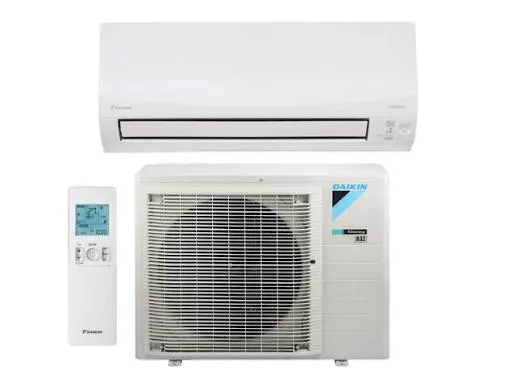
Choosing a new air conditioner can be difficult with so many models, capacities and features available. Daikin is one of the well-known air conditioning brands available in Australia, offering systems designed for different room sizes, home layouts and climate conditions.
But which Daikin air conditioner is right for your home?
The answer depends on several factors, including the size of the room, how you plan to use the system, energy efficiency, installation requirements and your budget. This Daikin air conditioner buying guide explains what to consider before making a decision.
Why Choose a Daikin Air Conditioner?
Daikin offers several types of residential air conditioning systems, including split systems, multi-split systems and ducted air conditioning. Its range also includes reverse-cycle systems that can provide both cooling and heating.
One of the main advantages of choosing an established air conditioning brand is the availability of different capacities and configurations. This makes it easier to select a system based on the requirements of your home rather than choosing a one-size-fits-all solution.
When comparing models, look beyond the brand name and consider whether the specific system is suitable for your room, lifestyle and energy requirements.
1. Start With the Room Size
The first step when choosing a Daikin air conditioner is determining the cooling and heating capacity you need.
Air conditioner capacity is commonly measured in kilowatts (kW). Larger rooms generally require greater capacity, but room size alone does not determine the correct system.
Factors such as:
- Room dimensions
- Ceiling height
- Window size and orientation
- Amount of direct sunlight
- Insulation
- Number of occupants
- Heat-producing appliances
- Open-plan layouts
- Local climate
can all affect the required capacity.
For example, a small, well-insulated bedroom may require considerably less capacity than a large living area with several windows receiving afternoon sun.
Tip: Avoid choosing an air conditioner simply because it has a higher kW rating. An oversized system may not provide the best comfort or efficiency, while an undersized unit may need to work harder to maintain the desired temperature.
A professional assessment can help determine the appropriate capacity for your home.
2. Decide Which Type of Daikin Air Conditioner You Need
Daikin air conditioners are available in different configurations. Understanding the differences can help narrow your options.
Split System Air Conditioners
A split system has an indoor unit connected to an outdoor unit. It is commonly used to cool or heat individual rooms such as bedrooms, living rooms and home offices.
A Daikin split system can be a practical option when you only need climate control in selected areas.
Multi-Split Air Conditioning
A multi-split system allows multiple indoor units to connect to a single outdoor unit. This can be useful when you want independent air conditioning in several rooms without installing a separate outdoor unit for each space.
Ducted Air Conditioning
Ducted air conditioning distributes conditioned air through ducts installed throughout the home. It can provide whole-home heating and cooling and is particularly suitable for homeowners wanting a more integrated solution.
However, ducted systems generally involve more extensive installation than a standard split system.
3. Consider Reverse-Cycle Heating and Cooling
If you want year-round comfort, consider a reverse-cycle Daikin air conditioner.
Reverse-cycle systems can provide cooling during summer and heating during colder weather. Instead of purchasing separate heating and cooling equipment, one system can serve both purposes.
This can be particularly useful in Australian homes where temperatures can vary significantly between seasons.
When comparing models, check both their cooling and heating capacities rather than looking only at the cooling specification.
4. Look at Energy Efficiency
Energy efficiency should be an important consideration when buying an air conditioner because the system can contribute significantly to household electricity consumption.
Look at the product's energy rating and efficiency specifications rather than focusing solely on the initial purchase price.
An inverter air conditioner can adjust its output according to the heating or cooling demand. Instead of continually operating at maximum capacity, the compressor can vary its speed to help maintain the desired temperature.
When comparing Daikin air conditioners, consider:
- Energy efficiency ratings
- Cooling and heating efficiency
- Inverter technology
- Expected operating hours
- Room usage
- Electricity costs
A more efficient model may have a higher upfront price but could offer lower running costs over its operating life.
5. Think About Where the Air Conditioner Will Be Installed
Installation location can affect both performance and comfort.
For a split system, the indoor unit should be positioned where air can circulate effectively throughout the room. Avoid locations were furniture, walls or other obstacles could restrict airflow.
The outdoor unit also needs suitable clearance and ventilation. It should be installed in an appropriate location where it can operate effectively and where maintenance can be carried out safely.
For ducted systems, installation planning is even more important because ductwork, vents and the outdoor unit need to be coordinated with the home's layout.
Always have air conditioning installation carried out by a suitably licensed professional.
6. Consider Noise Levels
Noise can be particularly important in bedrooms, nurseries, studies and other quiet areas.
Check the manufacturer's published indoor and outdoor sound specifications when comparing models. A quieter system can contribute to a more comfortable environment, particularly when the air conditioner operates overnight.
Remember that installation can also influence perceived noise. Correct positioning and professional installation are therefore important.
7. Look for Smart Features
Modern air conditioners can offer features designed to make operation more convenient.
Depending on the Daikin model, features may include remote control, scheduling, Wi-Fi connectivity and smartphone-based operation.
Smart controls can be useful if you want to:
- Adjust the temperature remotely
- Schedule operating times
- Turn the system on before arriving home
- Monitor usage
- Manage heating and cooling more conveniently
However, don't pay extra for features you are unlikely to use. Start with your comfort requirements and choose additional technology based on your lifestyle.
8. Don't Forget Maintenance
Even a high-quality air conditioner needs regular maintenance.
Cleaning filters regularly can help maintain airflow and system performance. Professional servicing can also help identify potential problems before they become expensive repairs.
The appropriate maintenance frequency depends on factors such as usage, environmental conditions and the type of system.
If your air conditioner develops unusual smells, reduced airflow, water leaks or inconsistent temperature control, professional inspection may be necessary.
9. Consider Your Total Cost
The purchase price is only one part of the cost of owning an air conditioner.
When budgeting for a Daikin air conditioning system, consider:
Purchase price + installation + electricity + maintenance + potential repairs
A cheaper system may not necessarily represent better value if it has higher operating costs or does not provide the performance your home requires.
Similarly, paying more for a larger or more advanced system does not automatically mean it is the right choice.
The goal is to find the best balance between capacity, efficiency, features, installation requirements and long-term running costs.
Which Daikin Air Conditioner Is Right for Your Home?
There is no single Daikin air conditioner that is best for every Australian home.
A split system may be suitable for individual rooms, while a multi-split system can provide climate control across several rooms. A ducted system may be preferable when whole-home heating and cooling is the priority.
For any option, start by determining your home's capacity requirements, then compare energy efficiency, features, noise levels, installation requirements and long-term costs.
Frequently Asked Questions
What size Daikin air conditioner do I need?
The required capacity depends on room size, insulation, sunlight, ceiling height, windows, occupancy and other factors. A professional assessment is the best way to determine the appropriate capacity.
Are Daikin air conditioners energy efficient?
Daikin offers inverter air conditioning systems designed to adjust output according to demand. However, efficiency varies between models, so check the specifications and energy rating of the specific unit you are considering.
Is a Daikin split system good for a bedroom?
A split system can be a practical choice for a bedroom because it provides dedicated heating and cooling. Consider capacity, noise levels, airflow and available installation locations before choosing a model.
Should I choose split system or ducted air conditioning?
Choose based on your home's requirements. Split systems are generally suited to individual rooms or selected areas, while ducted air conditioning can provide whole-home climate control.
How often should a Daikin air conditioner be serviced?
Maintenance requirements vary depending on the system and usage. Regular filter cleaning is important, while professional servicing can help maintain performance and identify potential issues.
Make the Right Daikin Air Conditioner Choice
Buying the right Daikin air conditioner involves more than choosing a model based on price or brand. Room size, capacity, system type, energy efficiency, installation, noise, features and long-term running costs should all be considered.
If you're unsure which system is appropriate, speak with a qualified air conditioning professional who can assess your home and recommend a suitable solution.
The right Daikin air conditioner should provide reliable year-round comfort while matching the requirements of your home and budget.