
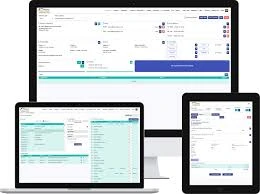
Accurate estimation plays a vital role in the successful execution of civil engineering projects. From bridges and highways to dams and large infrastructure developments, precise financial planning helps maintain budgets, allocate resources, and avoid costly errors. As technology continues to reshape the construction landscape, using civil estimating software has become a necessity rather than a luxury. This powerful tool enables professionals to streamline the cost forecasting process, improve accuracy, and optimize timelines. Whether managing public works or private development, the right software can transform how civil engineers plan, bid, and deliver their projects. In this blog, we will share a complete guide on choosing the estimation program in 2025.

Civil estimating tools are built specifically to meet the complex demands of civil engineering. These platforms allow estimators and engineers to input project details, analyze costs, compare alternatives, and generate accurate financial forecasts. The main goal is to create a detailed breakdown of expenses that covers materials, labor, machinery, subcontracting, transportation, and contingency.
Unlike generic construction tools, civil estimating software handles large-scale variables unique to civil engineering. From earthwork calculations to transportation logistics, the system incorporates specialized modules that help project managers analyze each component thoroughly. This enables more confident decisions and enhances communication with stakeholders, ensuring that everyone remains on the same financial page throughout the project’s lifecycle.
Why Count on Estimation Software for Civil Engineering?
Using advanced tools to estimate costs offers clear advantages over manual methods or generic software. Professionals in the civil industry deal with numerous challenges such as project scale, environmental factors, shifting labor rates, and material fluctuations. Accurate forecasting is not only helpful, it is vital for long-term project viability.
The estimation software for small businesses makes the process faster and significantly more reliable. Complex calculations are handled automatically, which reduces the margin of error and saves time. When working on tight schedules or competitive bidding processes, quick turnaround becomes a crucial asset.
How to Choose the Right Civil Construction Estimating Software?
With multiple options available in the market, selecting the best solution for a civil project can be overwhelming. To make the right decision, professionals must align software capabilities with their project goals, team structure, and workflow preferences. Below are key factors to consider when choosing the right civil construction estimating software:
1. Project Scope Compatibility
Assess whether the platform supports the specific needs of civil engineering, including grading, trenching, excavation, and transportation planning. The more aligned the features are with your scope, the more accurate and efficient the estimation process becomes.
2. Ease of Use and Training
Look for software that offers a user-friendly interface and requires minimal training. Complex tools may appear powerful but can delay adoption if they are too difficult to navigate. A streamlined learning curve ensures faster productivity.
3. Integration with Other Tools
Consider how well the software integrates with other project management systems. Seamless communication between design software, scheduling tools, and budgeting platforms improves overall efficiency and reduces duplicate data entry.
4. Real-Time Data and Updates
Ensure the system provides access to updated cost libraries, regional data, and labor rate trends. Without real-time pricing, the accuracy of estimates diminishes, and financial forecasts may become outdated quickly.
5. Reporting and Customization Options
The ability to generate detailed reports is crucial for internal reviews and client presentations. Customizable templates allow teams to present data in a way that suits their brand, workflow, and stakeholder expectations.
Once you define your priorities, shortlist options that match your requirements and request demos before making a final decision. Remember, the right software doesn’t just meet today’s needs, it positions your business for future growth.
Advanced Features Worth Considering
As the industry evolves, estimation platforms are also incorporating innovative capabilities. While core functionality remains vital, emerging features can give civil engineers a competitive advantage:
- Cloud-Based Access: Remote collaboration becomes easier when estimates are stored in the cloud, enabling teams to work from anywhere with real-time updates.
- AI-Assisted Projections: Artificial intelligence can analyze historical project data to suggest more accurate projections and flag potential risk areas.
- Mobile Compatibility: On-site updates are simplified when software includes mobile access, allowing estimators to log details directly from the construction site.
Choosing tools with these advanced features ensures that your team remains agile and future-ready.
Summary
Choosing the right platform for civil project forecasting is no longer optional for modern engineers. Using civil estimating software helps businesses improve accuracy, control project costs, and enhance client satisfaction. With the challenges of large-scale infrastructure growing more complex, technology bridges the gap between planning and execution.
Understanding the scope of civil work and selecting a solution designed for industry-specific demands will save time and reduce errors. Whether you need better reporting, real-time data, or seamless integration, taking time to research and test platforms ensures you make an informed decision.
Advanced construction cost estimating software supports every phase of a project, from preconstruction planning to final delivery. Civil engineers can now bid with confidence, track progress efficiently, and adapt to changes without compromising the bottom line.
When estimating accuracy is critical, and competition is fierce, investing in the right tools is the first step toward building with precision and confidence. The right civil estimating software is not just a tool, it becomes a trusted partner throughout your construction journey.