Healthcare organizations increasingly rely on medical diagnostic software solutions to support faster and more connected diagnostic workflows. Yet, the technology can face obstacles when it needs to work with EHRs, PACS, laboratory platforms, and older hospital infrastructure. These hidden integration challenges can affect implementation, data exchange, and usability, making it important to address them before deployment.
Is Legacy-System Compatibility a Hidden Challenge for Medical Diagnostic Software?
Many hospitals still depend on older systems that were not designed to communicate with modern applications. Connecting new diagnostic technology to these platforms can require additional interfaces and careful data mapping. During medical diagnostics software development, compatibility with existing infrastructure should therefore be considered from the beginning rather than addressed after deployment.
Can Data Silos Limit Medical Diagnostics Software Integration?
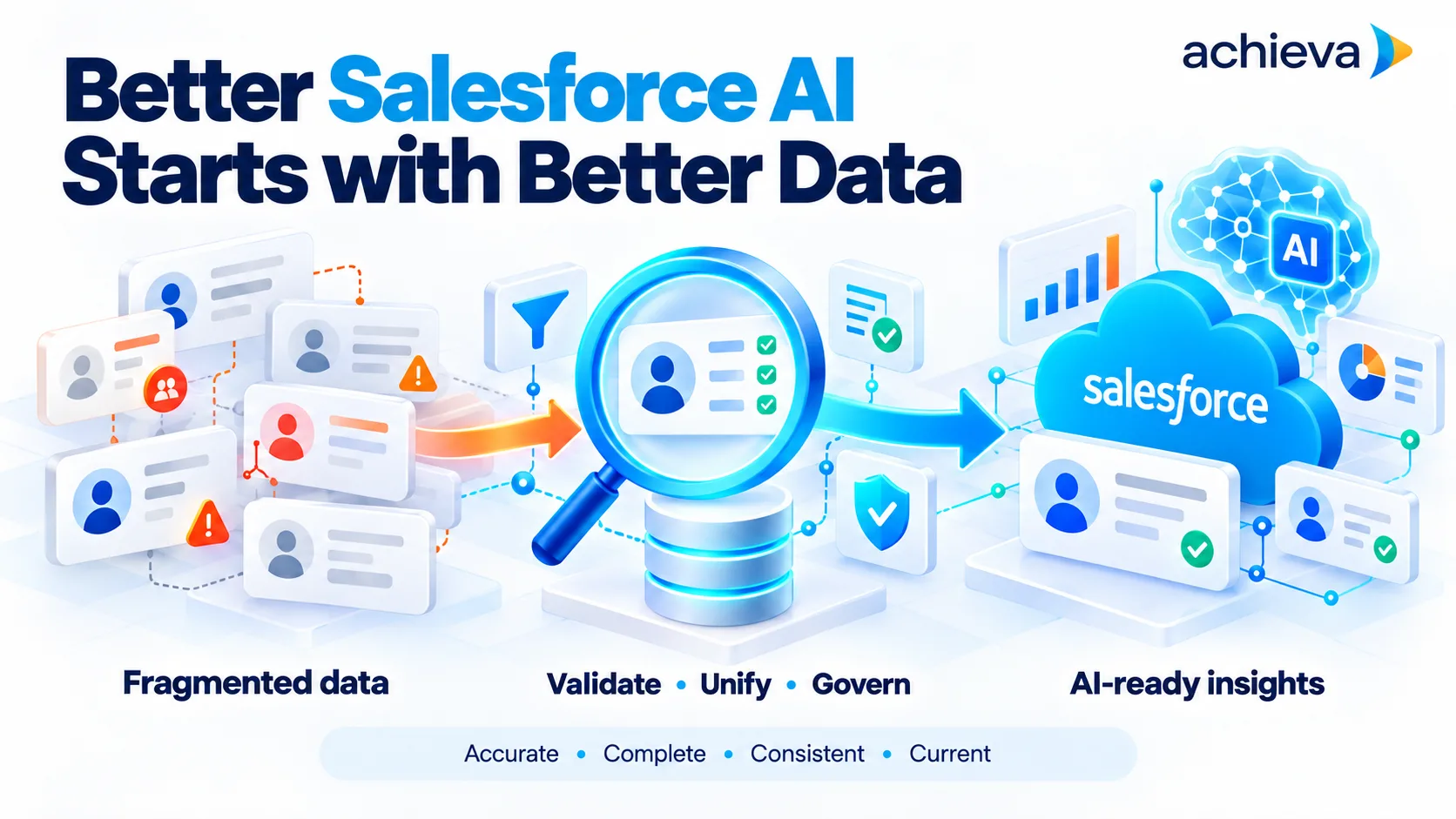
Diagnostic information may be distributed across imaging, laboratory, clinical, and patient-record systems. When these platforms do not exchange information smoothly, clinicians may face fragmented data and additional manual processes. Medical diagnostic software solutions can be designed to improve information flow between systems, helping reduce unnecessary data silos.
How Do Different Healthcare Workflows Complicate Custom Medical Diagnostics Software Solutions?
A diagnostic workflow can differ considerably between departments and healthcare organizations. A solution that works well in one environment may not fit another without modification. Custom medical diagnostics software solutions can address organization-specific workflows and integration requirements instead of forcing hospitals to completely change established processes.
Does Interoperability Create Challenges During Custom Medical Diagnostics Software Development?
Connecting multiple healthcare platforms requires attention to interfaces, data formats, communication standards, and system dependencies. Poor interoperability can result in failed data transfers or inconsistent information. Custom medical diagnostics software development allows integration requirements to be considered within the architecture, making interoperability a core part of the solution.
Can Security and Data Exchange Become Integration Challenges for Medical Diagnostic Software Solutions?
- Diagnostic systems handle sensitive patient information, so data must remain protected as it moves between connected platforms.
- Authentication, access controls, secure communication, and appropriate data handling all need to be considered.
- Medical diagnostic software solutions should therefore balance seamless information exchange with strong security practices.
How Can Hospitals Manage These Hidden Medical Diagnostics Software Challenges?
A structured implementation can help identify problems before they disrupt clinical operations. Hospitals can assess legacy infrastructure, map workflows, test data exchange, validate integrations, and involve clinical and technical teams early. This proactive approach helps organizations introduce medical diagnostic software while reducing avoidable integration issues.
Conclusion:
Integration challenges can slow down or complicate diagnostic technology adoption, but they are manageable when addressed early. By considering legacy compatibility, data silos, workflow differences, interoperability, and security during planning and development, hospitals can build a stronger foundation for medical diagnostic software and modernize their diagnostic capabilities without unnecessarily disrupting existing operations.