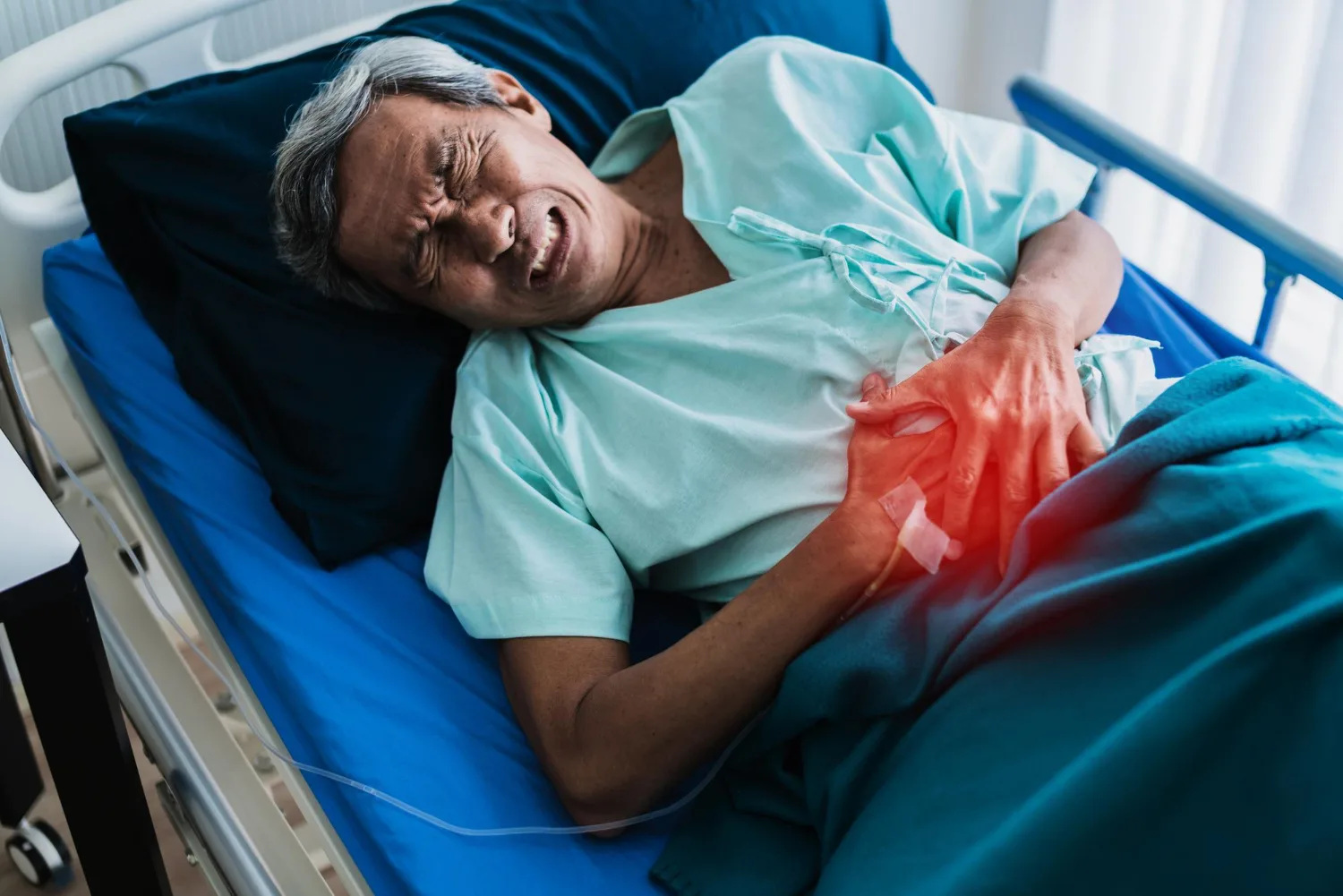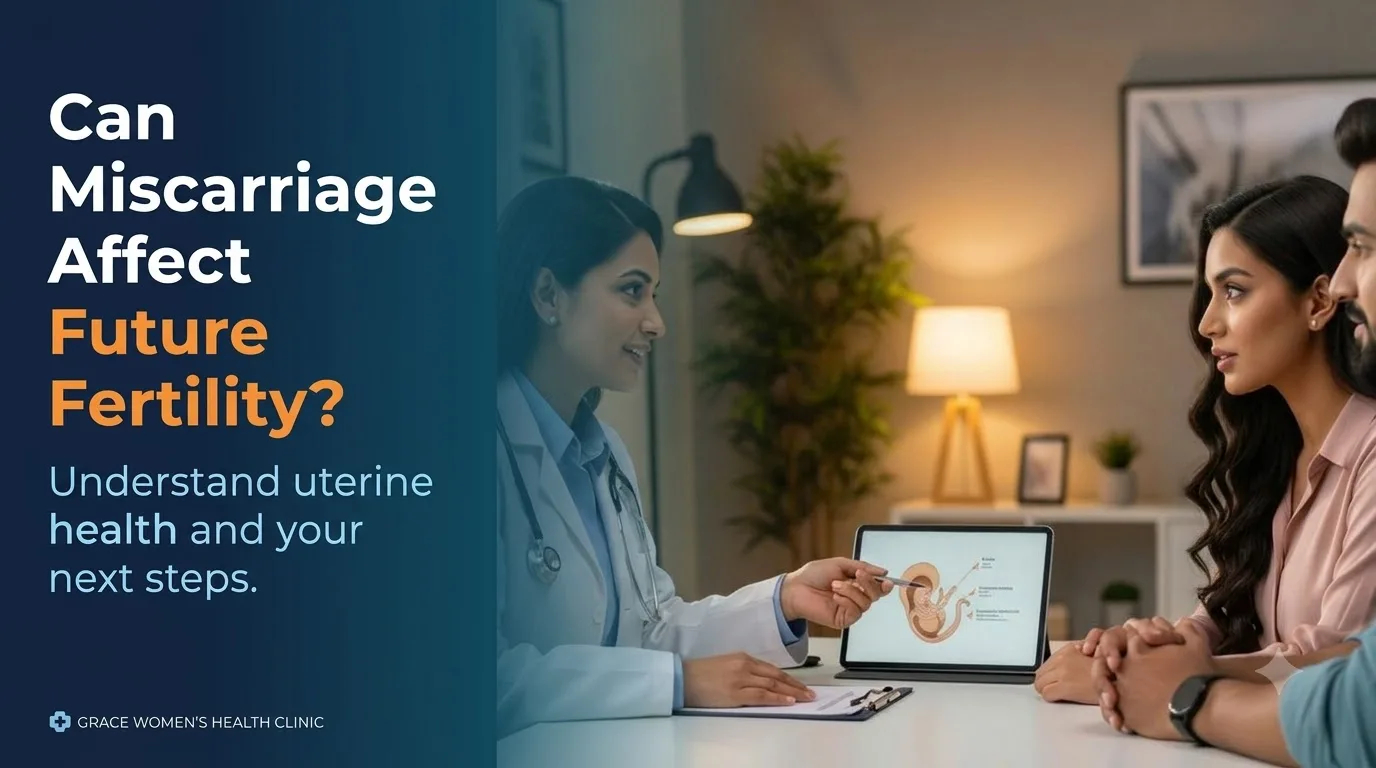
A miscarriage can be an upsetting experience, and many women worry about how it may affect their ability to have a baby in the future. The reassuring news is that most miscarriages do not cause permanent damage to the uterus or reduce future fertility. Many women go on to have healthy pregnancies after pregnancy loss.
However, some complications, such as infection or scar tissue inside the uterus, may affect reproductive health. Understanding the possible miscarriage effect on fertility can help you know when follow-up care is needed. If you are looking for the best fertility centre in Nagapattinam, learning about these long-term effects can help you make informed decisions about your future pregnancy.
Does Miscarriage Cause Long-Term Damage to the Uterus?
In most cases, the uterus recovers naturally after a miscarriage. The body gradually removes the pregnancy tissue, and the uterine lining begins to rebuild as part of the normal menstrual cycle.
A single uncomplicated miscarriage usually does not damage the uterus. It also does not mean that a woman will have difficulty conceiving again.
However, certain complications may affect the uterus. These include:
- Uterine infection: An untreated infection after pregnancy loss may affect the reproductive organs.
- Retained pregnancy tissue: Tissue left inside the uterus may cause prolonged bleeding or infection.
- Intrauterine adhesions: Scar tissue may develop inside the uterus after certain procedures or infections.
- Cervical injury: Rarely, a medical procedure may cause injury to the cervix.
These complications are not common after every miscarriage. The risk depends on the circumstances and the type of treatment received.
How Can Miscarriage Affect Future Fertility?
The miscarriage effect on fertility depends mainly on whether complications occur during or after the pregnancy loss.
For most women, ovulation can return within a few weeks. This means pregnancy may be possible before the next menstrual period. The timing varies from person to person.
Some conditions may need further attention:
1. Scar Tissue Inside the Uterus
Intrauterine adhesions, sometimes called Asherman syndrome, are bands of scar tissue that form inside the uterus. They may develop after certain uterine procedures or infections.
Possible symptoms include very light periods, absent periods, pelvic pain, or difficulty conceiving. However, these symptoms can have other causes too.
2. Infection After Miscarriage
If pregnancy tissue remains inside the uterus, an infection may develop. Symptoms can include fever, lower abdominal pain, foul-smelling vaginal discharge, and ongoing bleeding.
An untreated infection can sometimes spread to the reproductive organs and cause further complications. Early medical treatment is important.
3. Changes in the Uterine Lining
The uterine lining needs to develop properly for an embryo to implant. In some women, scar tissue or other uterine conditions may affect the lining.
Doctors may recommend further evaluation if there are concerns about implantation or repeated pregnancy loss.
4. Repeated Miscarriages
Having more than one miscarriage does not automatically mean the uterus is damaged. Repeated pregnancy loss can be linked to several factors, including chromosomal changes, uterine conditions, hormonal problems, or certain medical conditions.
A proper evaluation can help identify possible causes and guide future pregnancy planning.
What Tests Can Check Uterine Health After a Miscarriage?
Not every woman needs special tests after one uncomplicated miscarriage. If you have ongoing symptoms, repeated pregnancy loss, or difficulty conceiving, your doctor may recommend further investigations.
Common tests include:
- Pelvic ultrasound: Checks the uterus and may identify retained tissue or structural concerns.
- Hysteroscopy: Allows the doctor to examine the inside of the uterus using a thin camera. It can also help treat some types of scar tissue.
- Hysterosalpingography (HSG): Uses contrast dye and X-ray imaging to assess the shape of the uterine cavity and whether the fallopian tubes are open.
- Blood tests: May be recommended to check selected hormonal or other medical conditions.
The right tests depend on your symptoms, medical history, and previous pregnancy outcomes.
Can You Have a Healthy Pregnancy After a Miscarriage?
Yes. Most women who experience a miscarriage can have a healthy pregnancy in the future. One pregnancy loss does not usually mean that another loss will happen.
Before trying again, speak with your doctor about your recovery and any medical concerns. Your doctor may review previous scan reports, treatment records, and test results if needed.
If you have had repeated miscarriages, further evaluation may help identify possible causes. Treatment will depend on the findings rather than following the same plan for every woman.
For more information about the miscarriage effect on fertility, including common symptoms and possible causes of pregnancy loss, read our detailed guide.
When Should You Consult the Best Fertility Centre in Nagapattinam?
Seek medical advice if you experience prolonged or heavy bleeding, fever, severe abdominal pain, foul-smelling discharge, or periods that become unusually light or stop after a miscarriage.
You should also consider a fertility consultation if you have experienced repeated pregnancy loss or have been unable to conceive after trying again.
When choosing the best fertility centre in Nagapattinam, look for specialists who review your medical history, explain test results, and recommend only the investigations you need. An experienced fertility specialist in India can help assess uterine health, discuss possible fertility concerns, and guide your next steps.
Conclusion
A miscarriage does not usually cause permanent uterine damage or affect a woman's ability to conceive. Most women recover and go on to have healthy pregnancies. However, complications such as infection or scar tissue may affect future fertility in some cases.
If you are looking for the fertility centre in Nagapattinam, seek professional advice if you have ongoing symptoms, repeated miscarriages, or concerns about your reproductive health. A timely evaluation can help identify problems and support your future pregnancy plans.
Frequently Asked Questions
1. Can one miscarriage damage the uterus?
Usually, no. Most women recover fully after one uncomplicated miscarriage. Uterine damage is uncommon, although complications such as infection or scar tissue can occur in some cases.
2. Can a miscarriage make it difficult to get pregnant again?
Most miscarriages do not reduce future fertility. However, complications such as uterine infection or scar tissue may affect conception in some women.
3. Can scar tissue develop in the uterus after a miscarriage?
Yes. Intrauterine adhesions can sometimes develop after certain uterine procedures or infections. A doctor may recommend hysteroscopy to check for and treat scar tissue.
4. How long does the uterus take to recover after a miscarriage?
Physical recovery varies. Bleeding often settles within one to two weeks, although it can last longer. Menstrual periods commonly return within four to six weeks, but timing differs between women. Seek medical advice if bleeding is heavy, symptoms continue, or your period does not return.
5. Can I have a healthy pregnancy after repeated miscarriages?
Yes. Many women have successful pregnancies after repeated pregnancy loss. A medical evaluation can help identify possible causes and guide care before another pregnancy.