
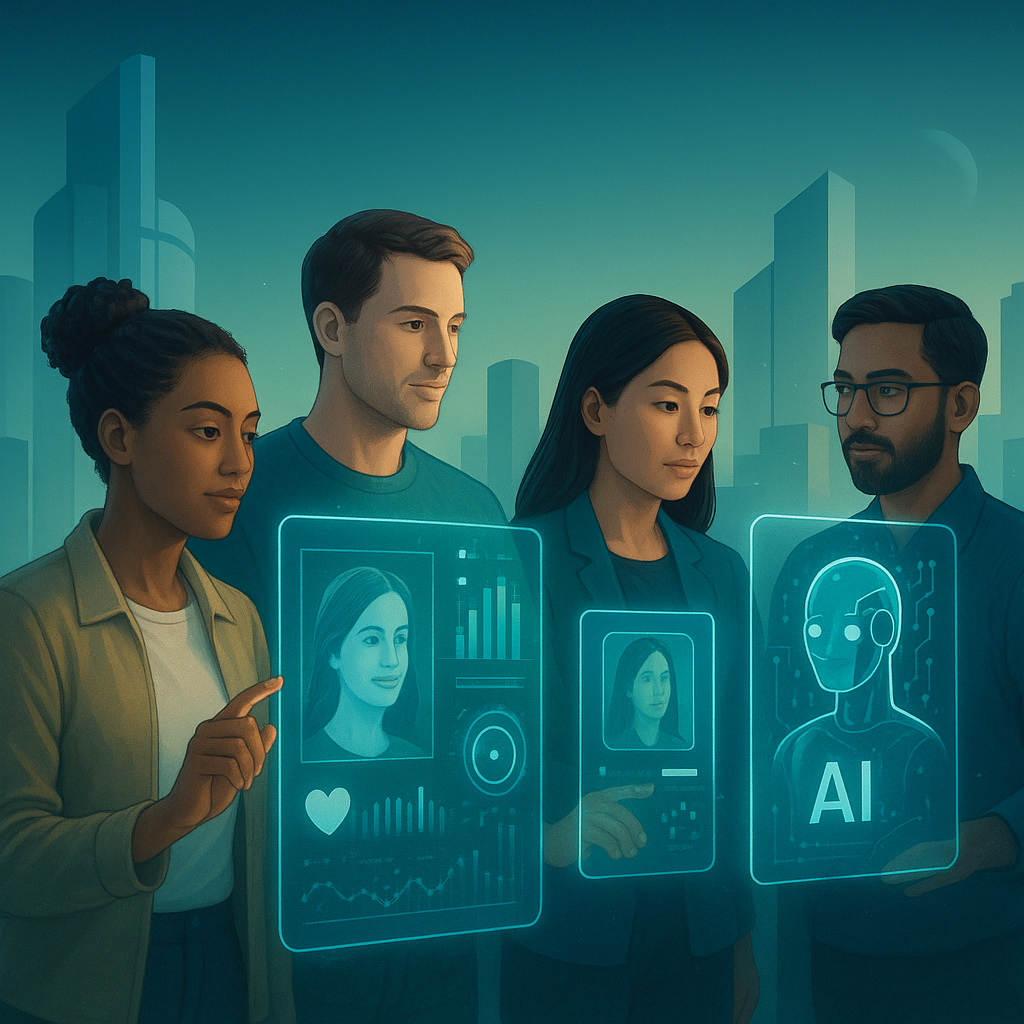
Setting the Stage: A Digital Landscape in Flux
In early 2026, a striking statistic emerged from the Global Digital Insights Report: over 80% of social media users across North America and Europe now prioritize authenticity over curated perfection in their online interactions. This fundamental shift challenges platforms and marketers alike to rethink their approaches. The digital realm, once dominated by staged influencer content and viral gimmicks, is pivoting toward genuine connection and AI-augmented experiences.
Picture a bustling virtual town square where people gather not just to watch but to participate, guided by algorithms that understand and respect their preferences. The social media ecosystem is no longer about passive consumption but about meaningful engagement powered by advanced AI that personalizes without infringing on privacy. This scene sets the tone for what’s next in social media trends, blending human authenticity with machine intelligence.
The Evolution of Social Media: How We Got Here
To appreciate the trajectory that brought social media to this point, one must revisit the past decade’s rapid transformations. Early 2020s platforms thrived on short-form video and influencer marketing, with TikTok and Instagram leading the charge. However, saturation and skepticism around manufactured content led to user fatigue.
By 2024, data from various digital marketing studies highlighted a growing mistrust in overly polished posts and sponsored content. Users craved transparency, pushing brands and creators to prioritize authenticity. Simultaneously, AI technologies matured, enabling more nuanced content curation and moderation. Platforms experimented with AI-powered chatbots, personalized feeds, and real-time content adaptation.
As TheOmniBuzz noted in 2025, the fusion of AI and human-centric design began reshaping digital interaction paradigms. Social media was no longer a one-way broadcast but an interactive, evolving experience. These shifts laid the foundation for 2026’s social media trends emphasizing genuine engagement amplified by AI.
Core Trends in 2026: Authenticity and AI at the Forefront
In 2026, several distinct social media trends define the landscape. Central among them is the marriage of authenticity with AI-driven personalization. Platforms have evolved to support content that feels real, nuanced, and tailored. According to recent industry reports, platforms emphasizing these elements have seen user retention rates increase by up to 35% year-over-year.
Key trends shaping social media include:
- AI-Enhanced Content Creation: Tools leveraging generative AI assist creators in producing authentic, relatable content while maintaining their unique voice.
- Community-Driven Micro-Platforms: Smaller, interest-based communities thrive, facilitated by AI matchmaking and engagement analytics.
- Transparent Algorithms: Users gain more control and insight into how content is curated, fostering trust.
- Augmented Reality (AR) Social Experiences: AI-powered AR enables immersive, interactive social environments blending real and virtual worlds.
- Ethical AI and Privacy Focus: Growing regulatory frameworks and platform commitments ensure AI respects user data and promotes fairness.
These trends represent a fundamental redefinition of digital social interaction, with AI acting as a partner rather than a manipulator. The emphasis on authenticity is not a rejection of technology but a call to use it responsibly and creatively.
“Authenticity is the currency of social media in 2026. AI is the tool that helps us spend it wisely.” – Dr. Maya Lin, Digital Sociologist
2026 Highlights: Platform Innovations and User Behavior Shifts
This year, platforms like Instagram, TikTok, and newer entrants have integrated groundbreaking AI tools to support authentic content creation and discovery. Instagram’s AI-powered "StoryCraft" feature helps users storyboard life moments with minimal editing, preserving spontaneity. TikTok’s algorithm now prioritizes content that generates meaningful conversations, reducing virality of sensational but hollow clips.
Moreover, new players such as ConnectSphere and VibeNest focus exclusively on hyper-authentic micro-communities, harnessing AI to connect like-minded individuals in privacy-first environments. These platforms report user growth rates exceeding 50% in Q2 and Q3 of 2026.
User behavior reflects these innovations. A 2026 Pew Research survey found that 67% of users spend more time in niche communities than on broad public feeds. Engagement metrics show a preference for in-depth discussions and collaborative content creation over passive scrolling.
Brands and marketers have adapted by shifting strategies towards co-creation with audiences and leveraging AI for sentiment analysis to better tailor messaging. TheOmniBuzz’s recent article Rethinking Social Media Marketing explores these strategic pivots in detail.
“The success stories in 2026 are those who listen first, automate thoughtfully, and engage authentically.” – Anika Patel, Chief Marketing Officer, Sociallytics
Industry Insights: Expert Perspectives on Social Media’s Next Chapter
Leading digital marketing experts emphasize that the convergence of AI and authenticity is not simply a trend but a paradigm shift. According to Alan Chen, Head of AI Strategy at Nexa Digital, “The integration of ethical AI frameworks ensures that personalization empowers users rather than exploits them.”
Industry conferences in 2026, such as the Global Social Media Summit, highlighted case studies where AI-driven authenticity led to remarkable brand loyalty and community growth. For example, a campaign by outdoor apparel brand TerraTrail used AI to co-create content with micro-influencers, resulting in a 42% increase in engagement within targeted demographics.
Experts caution, however, that the challenge remains in balancing automation with human oversight. AI can detect trends and preferences rapidly but lacks emotional intelligence to fully replicate human nuance. Therefore, hybrid approaches combining AI tools with skilled human moderators and creators dominate successful social media strategies.
Further, regulatory bodies are increasingly scrutinizing AI’s role in content moderation and data use, prompting platforms to adopt transparent policies. As reported by industry analysts, companies investing in ethical AI governance see enhanced user trust and long-term sustainability.
Looking Ahead: What to Watch in Social Media’s Evolving Landscape
As we move toward 2027 and beyond, several developments warrant close attention. First, the rise of AI-driven virtual influencers that possess genuine personality traits and interact in real time is expected to redefine influencer marketing dynamics. These virtual personas are already gaining traction in Asia and are projected to enter Western markets more aggressively.
Second, augmented reality’s role in social media will deepen. Platforms are developing seamless AR social hubs where users can meet, collaborate, and shop in immersive environments. The integration of AI ensures these experiences are personalized, intuitive, and privacy-respecting.
Third, evolving data privacy laws across jurisdictions will shape how AI and social media platforms manage user information. Transparency and user empowerment around data choices will become non-negotiable.
Finally, the demand for authenticity will drive continued innovation in AI content tools that amplify real voices rather than replace them. As noted in our previous coverage, success lies in harnessing AI to enhance—not overshadow—human connection.
- Monitor emerging AI regulations impacting social media.
- Track growth of virtual influencers and AR social hubs.
- Observe shifts in user behavior toward niche, authentic communities.
- Evaluate new marketing strategies emphasizing co-creation and transparency.
Social media in 2026 is at a crossroads where technology and humanity intersect meaningfully, promising a future of richer, more authentic digital experiences.