Breast augmentation is a personal decision that can be influenced by body proportions, the degree of volume change someone is looking for, lifestyle considerations, and medical suitability.
There is no single approach that suits everyone.
Some people may prefer a modest change using their own body fat, while others may consider implants when they want a more noticeable increase in breast volume.
Two commonly discussed options are fat transfer breast augmentation and silicone breast implants.
Understanding how they differ can help patients prepare for a more informed discussion during consultation.
Understanding the Main Breast Augmentation Options
Breast augmentation can be performed using either the patient's own fat or a medical implant.
Both approaches are intended to change breast volume, shape, or symmetry, but they differ in several ways, including:
- How the procedure is performed
- Degree of volume increase
- Look and feel
- Recovery
- Long-term considerations
- Need for future monitoring
The approach considered depends on individual anatomy, treatment goals, available donor fat, and medical assessment.
Fat Transfer Breast Augmentation
Fat transfer uses the patient's own body fat to increase breast volume.
Fat is first removed through liposuction from areas such as the abdomen, hips, or thighs.
It is then processed and carefully injected into the breasts to add volume and improve contour.
This option is generally considered when the goal is a more modest increase rather than a substantial change in breast size.
Why Some Patients Consider Fat Transfer
Fat transfer may appeal to people who prefer to use their own body tissue rather than an implant.
The source procedure describes several potential advantages:
- Uses the patient's own fat
- Can create a softer look and feel
- Allows fat removal from another body area at the same time
- Avoids implant-specific concerns
Someone considering Breast reduction & Liposuction or other body-contouring procedures may already be familiar with the role of liposuction in removing fat from selected areas.
In fat transfer breast augmentation, that removed fat is processed and used to add breast volume.
Limitations of Fat Transfer
Fat transfer is not suitable for every goal.
Some limitations include:
- It is generally used for mild to moderate volume enhancement
- Not all transferred fat remains permanently
- More than one session may sometimes be needed
- The patient needs enough donor fat for the procedure
The amount of change that can be achieved therefore depends on both breast anatomy and the amount of usable donor fat available.
Silicone Breast Implants
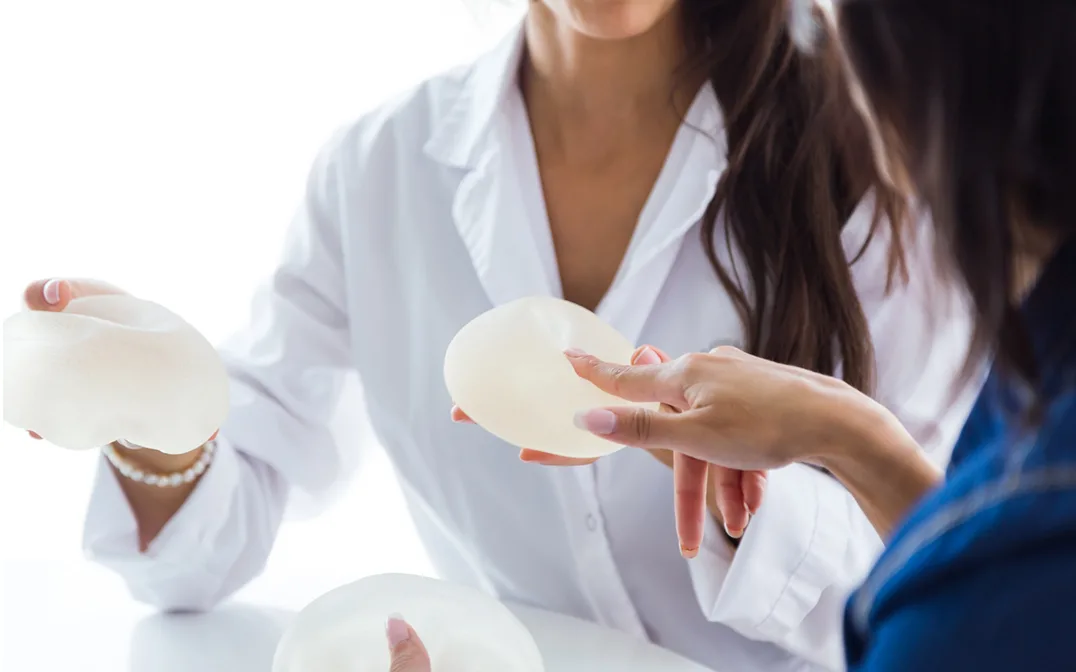
Silicone breast implants are pre-filled with cohesive silicone gel.
They are surgically placed within the breast area or beneath the chest muscle, depending on the surgical plan.
Silicone implants are used when a patient wants a more defined or noticeable increase in breast volume.
They are available in different:
- Sizes
- Shapes
- Profiles
- Degrees of projection
This allows the surgical plan to be adjusted according to body proportions and the degree of enlargement being considered.
Patients researching breast augmentation in Bangalore may come across different implant choices and placement considerations during their consultation.
Points to Consider With Silicone Implants
Silicone implants involve placing a medical implant in the body, so they come with different considerations from fat transfer.
These may include:
- Surgical incisions
- A structured recovery period
- Follow-up and monitoring
- Possibility of future implant replacement or revision
- Implant-related risks that should be discussed before surgery
The consultation should therefore cover both the expected benefits and the long-term considerations associated with implants.
Fat Transfer or Silicone Implants: What Influences the Choice?
The choice between fat transfer and silicone implants depends on several factors.
Desired Change in Breast Volume
Someone looking for a modest increase may consider fat transfer.
A person seeking a more noticeable increase in volume may discuss implants.
Availability of Donor Fat
Fat transfer requires enough usable fat from areas such as the abdomen, hips, or thighs.
If there is not enough donor fat, the procedure may not be suitable.
Preference for Own Tissue or an Implant
Some patients prefer using their own fat.
Others may be comfortable considering a silicone implant.
This is a personal preference that should be discussed alongside medical suitability.
Body Frame and Existing Breast Shape
Breast width, existing volume, skin quality, and body proportions can influence which approach may be considered.
Long-Term Expectations
Patients should also understand the different follow-up needs associated with fat transfer and silicone implants.
These considerations can be discussed before making a decision.
Implant Size Is Not the Only Decision
When considering silicone implants, choosing a size is only one part of planning.
Other factors may include:
- Breast width
- Chest proportions
- Existing breast tissue
- Implant profile
- Implant shape
- Desired degree of projection
A larger implant does not automatically mean a more suitable result.
The choice needs to relate to the patient's anatomy and the type of change being considered.
Why Consultation Matters
A breast augmentation consultation should include more than choosing between fat transfer and silicone implants.
It can also involve:
- Assessment of breast anatomy
- Discussion of body proportions
- Review of medical history
- Explanation of available techniques
- Discussion of possible risks
- Recovery expectations
- Long-term follow-up considerations
A Plastic surgeon Whitefield consultation can also be used to discuss whether augmentation alone is being considered or whether other breast-related procedures may be relevant to the patient's concerns.
The purpose of the consultation is to understand what is medically suitable and what degree of change may realistically be possible.
Recovery After Fat Transfer
Recovery after fat transfer involves healing in two areas:
- The breasts where fat has been injected
- The donor area where liposuction was performed
Swelling, bruising, or discomfort can occur during the early recovery period.
The appearance can also continue to change as swelling settles and the transferred fat stabilises.
Because not all transferred fat may remain, the final volume may differ from the immediate post-procedure appearance.
Recovery After Silicone Implants
Recovery after implant-based breast augmentation follows a different process.
Temporary activity restrictions may be recommended while the surgical area heals.
Patients should discuss:
- When they may return to work
- When lifting can resume
- When exercise can restart
- What type of support garment may be required
- When follow-up appointments will occur
Recovery varies from person to person, so the timeline should be discussed according to the individual procedure.
Long-Term Considerations
Breast augmentation should also be considered from a long-term perspective.
For fat transfer, the final outcome depends partly on how much transferred fat remains after healing.
For silicone implants, long-term monitoring may be advised, and further surgery may sometimes be required in the future.
Other factors that can influence the appearance of the breasts over time include:
- Ageing
- Weight changes
- Pregnancy
- Skin changes
- Individual healing
This is why the decision should not focus only on the immediate post-surgery result.
Questions to Ask Before Choosing an Option
Before deciding between fat transfer and silicone implants, it may help to ask:
Which option is suitable for my anatomy?
Understand how your breast shape, body frame, and available donor fat influence the choice.
How much volume change can I realistically expect?
Ask how the expected increase differs between fat transfer and implants.
What are the possible risks?
The two approaches involve different considerations, so ask about the risks relevant to each.
What will recovery involve?
Discuss time away from work, activity restrictions, and follow-up.
Will I need another procedure later?
Ask about the possibility of additional fat-transfer sessions or future implant-related surgery.
How might my breasts change over time?
Discuss ageing, weight changes, pregnancy, and other factors that may influence the result.
Final Thoughts
Fat transfer breast augmentation and silicone breast implants offer different ways of changing breast volume and shape.
Fat transfer uses the patient's own body fat and is generally considered for more modest volume enhancement.
Silicone implants may provide a more noticeable and predictable increase in breast volume, but they also involve implant-specific considerations and long-term follow-up.
Neither option is automatically suitable for everyone.
The decision depends on anatomy, available donor fat, desired degree of enlargement, medical suitability, and personal preference.
A detailed consultation can help clarify what each approach involves, what recovery may look like, and which option may be considered based on the individual's circumstances.