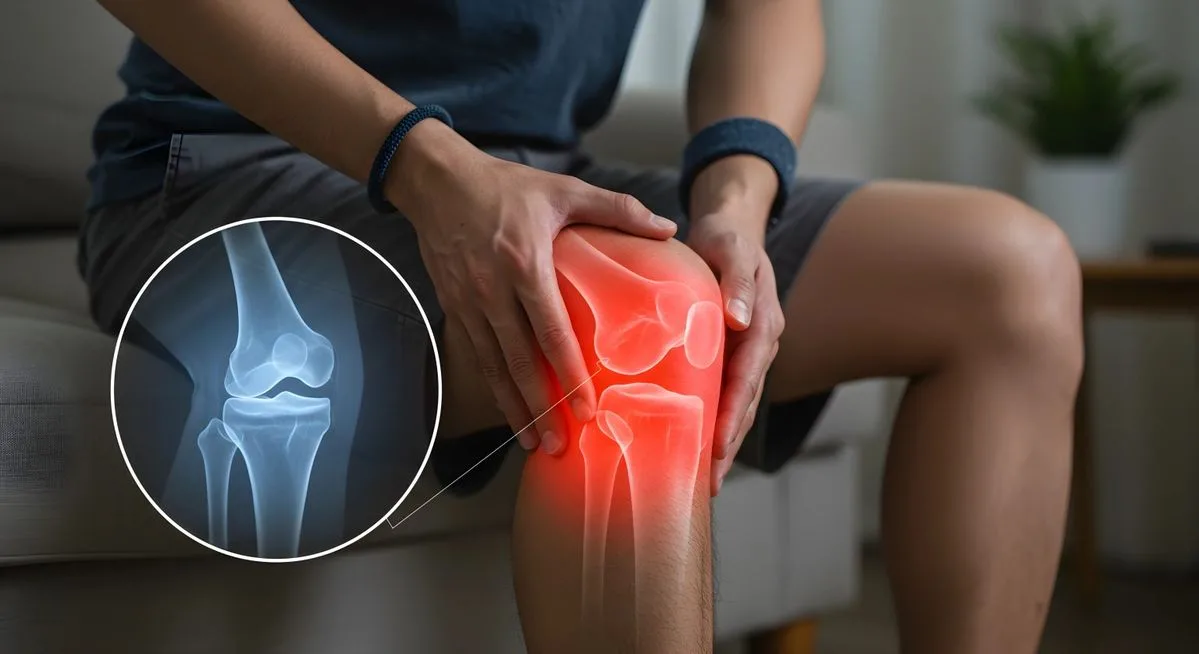
An Anterior Cruciate Ligament (ACL) injury is one of the most common and serious knee injuries, especially among athletes and physically active individuals. The ACL is a strong ligament that connects the thigh bone (femur) to the shin bone (tibia) and plays a crucial role in maintaining knee stability during movement. When this ligament tears, patients often experience pain, swelling, instability, and difficulty participating in daily activities or sports.
For many patients, ACL Tear Surgery is the most effective treatment option to restore knee function and prevent long-term complications. Understanding the procedure, benefits, recovery process, and expected outcomes can help patients make informed decisions about their treatment.
This guide provides a comprehensive overview of ACL Tear Surgery, including how it is performed, who needs it, recovery expectations, and success rates.
What Is an ACL Tear?
The ACL is one of the four major ligaments of the knee. It helps control forward movement and rotational stability of the joint.
An ACL tear usually occurs due to:
- Sudden changes in direction
- Improper landing after a jump
- Direct impact to the knee
- Sports injuries involving twisting movements
Commonly affected sports include football, cricket, basketball, volleyball, badminton, and skiing.
Understanding ACL Tear Surgery
ACL Tear Surgery is a procedure performed to reconstruct a torn ACL using a tendon graft. Since a completely torn ACL usually cannot heal on its own, surgery is often recommended for active individuals who want to regain knee stability and return to sports or physically demanding activities.
Many people ask, what is ACL surgery and how it differs from other knee procedures.
In simple terms, ACL reconstruction involves replacing the damaged ligament with healthy tissue obtained from either the patient or a donor.
Modern acl reconstruction surgery is typically performed using minimally invasive arthroscopic techniques, resulting in smaller incisions, reduced pain, and faster rehabilitation.
Causes of ACL Tears
Several factors can contribute to ACL injuries.
Sports Activities
Sudden pivoting and twisting movements place significant stress on the ligament.
Landing Incorrectly
Improper landing mechanics can increase the risk of injury.
Direct Knee Trauma
Collisions and accidents may result in ligament rupture.
Weak Supporting Muscles
Poor muscle strength around the knee can increase injury risk.
Previous Knee Injuries
Patients with prior knee damage may be more susceptible to ACL tears.
Symptoms of an ACL Tear
Recognizing injury symptoms early can help patients seek timely treatment.
Common Symptoms
- A popping sound at the time of injury
- Immediate swelling
- Knee instability
- Pain during movement
- Difficulty walking
- Reduced range of motion
Partial ACL Tear Symptoms
Some patients experience a partial injury rather than a complete rupture.
Common Partial ACL Tear symptoms include:
- Mild to moderate swelling
- Occasional instability
- Knee discomfort during activity
- Reduced athletic performance
- Intermittent pain
A detailed orthopedic evaluation helps determine the severity of the injury.
When Is ACL Tear Surgery Needed?
Not every ACL injury requires surgery.
However, ACL Tear Surgery is often recommended when:
- The ligament is completely torn
- Knee instability affects daily activities
- The patient wants to return to sports
- Multiple knee structures are injured
- Conservative treatment has failed
Patients with physically demanding lifestyles are usually better candidates for acl ligament surgery.
How ACL Tear Surgery Is Performed
Modern acl knee surgery is usually performed arthroscopically.
Step 1: Anesthesia
The patient receives either general or regional anesthesia.
Step 2: Arthroscopic Examination
A small camera is inserted into the knee to evaluate the injury.
Step 3: Removal of Damaged Tissue
The torn ACL remnants are carefully removed.
Step 4: Graft Preparation
A tendon graft is prepared.
Common graft options include:
- Hamstring tendon graft
- Patellar tendon graft
- Quadriceps tendon graft
- Donor graft
Step 5: Ligament Reconstruction
The graft is positioned to replace the damaged ACL and secured using specialized fixation devices.
The procedure generally takes one to two hours.
Benefits of ACL Tear Surgery
There are several advantages to undergoing ACL Tear Surgery when indicated.
Improved Knee Stability
Reconstruction restores the structural stability of the knee.
Better Athletic Performance
Many patients return to sports successfully after rehabilitation.
Reduced Risk of Additional Injury
A stable knee is less likely to sustain further damage.
Enhanced Confidence
Patients often feel more secure during physical activity.
Improved Quality of Life
Daily tasks become easier and less painful.
Success Rate of ACL Reconstruction Surgery
Modern acl reconstruction surgery has a very high success rate.
Studies show that approximately 85–95% of patients experience significant improvements in knee stability and function after surgery.
Success depends on factors such as:
- Surgical technique
- Rehabilitation participation
- Patient age
- Activity level
- Adherence to recovery protocols
Patients treated at the Best Hospital for ACL Surgery in Delhi NCR often achieve excellent outcomes through comprehensive surgical and rehabilitation programs.
ACL Surgery Recovery Time
One of the most common questions patients ask involves acl surgery recovery time.
Recovery occurs in several stages.
Recovery StageExpected TimelineInitial Healing1–2 weeksWalking Without Assistance2–6 weeksStrength Recovery2–4 monthsRunning Activities4–6 monthsReturn to Sports6–12 monthsThe exact timeline varies among patients.
First Week After ACL Surgery
The first week after acl surgery is focused on pain management and swelling reduction.
Common Experiences
- Knee swelling
- Mild discomfort
- Limited mobility
- Use of crutches
Important Goals
- Control inflammation
- Protect the graft
- Begin gentle movement
- Prevent stiffness
Patients should closely follow medical instructions during this phase.
After ACL Surgery: What to Expect
Life after acl surgery involves gradual rehabilitation and structured recovery.
Early Phase
- Pain management
- Range-of-motion exercises
- Walking assistance
Intermediate Phase
- Muscle strengthening
- Balance training
- Improved mobility
Advanced Phase
- Sports-specific exercises
- Running progression
- Return-to-play assessment
Consistent rehabilitation is essential for long-term success.
Exercises After ACL Surgery
Appropriate rehabilitation exercises are critical for recovery.
Common exercises after acl surgery include:
Ankle Pumps
Help improve circulation and reduce swelling.
Quadriceps Sets
Strengthen the front thigh muscles.
Straight Leg Raises
Improve muscle control and strength.
Heel Slides
Enhance knee flexibility.
Balance Exercises
Restore coordination and joint stability.
All exercises should be supervised by qualified professionals.
Bad Signs After ACL Surgery
While most recoveries progress smoothly, patients should be aware of bad signs after acl surgery.
Warning Symptoms
- Severe swelling
- Persistent fever
- Excessive redness
- Drainage from the incision
- Increasing pain
- Sudden loss of motion
- Calf swelling
Prompt medical evaluation is important if these symptoms occur.
ACL Surgery Cost Considerations
Many patients ask about acl surgery cost when planning treatment.
The total cost may depend on:
- Hospital facilities
- Surgeon experience
- Implant selection
- Rehabilitation requirements
- Geographic location
Patients should focus not only on cost but also on surgical expertise and rehabilitation support when selecting a treatment center.
Long Term Effects of ACL Tear Without Surgery
Ignoring a complete ACL tear can lead to several complications.
Common long term effects of acl tear without surgery include:
- Chronic knee instability
- Repeated knee injuries
- Meniscus damage
- Cartilage deterioration
- Early osteoarthritis
- Reduced physical activity
Timely intervention can help minimize these risks.
Choosing the Right Surgeon
Selecting an experienced orthopedic specialist is one of the most important decisions a patient can make.
When choosing a surgeon, consider:
- Experience in ACL reconstruction
- Arthroscopic expertise
- Rehabilitation facilities
- Patient outcomes
- Follow-up care
Consulting the best orthopedic doctor in ghaziabad can help patients receive personalized treatment recommendations based on their condition and activity goals.
Tips for a Successful Recovery
Follow Rehabilitation Protocols
Physiotherapy is essential for restoring strength and mobility.
Maintain a Healthy Diet
Proper nutrition supports tissue healing.
Attend Follow-Up Appointments
Regular evaluations ensure recovery is progressing as expected.
Avoid Returning to Sports Too Early
Premature activity increases the risk of graft failure.
Stay Consistent
Recovery requires patience and commitment.
Conclusion
ACL Tear Surgery is one of the most successful orthopedic procedures for restoring knee stability and function after a ligament injury. Through modern arthroscopic techniques, patients can achieve significant improvements in mobility, athletic performance, and overall quality of life.
Understanding what is ACL surgery, its benefits, recovery expectations, and rehabilitation requirements helps patients approach treatment with confidence. Whether considering acl reconstruction surgery, learning about acl surgery recovery time, or exploring the risks of untreated injuries, early consultation with experienced specialists is essential.
With proper care, structured rehabilitation, and treatment at the Best Hospital for ACL Surgery in Delhi NCR, many patients successfully return to sports and active lifestyles. Guidance from the best orthopedic doctor in ghaziabad can further ensure safe recovery and long-term knee health.