Educational institutions often manage their websites and social media channels as separate marketing activities. One team updates course pages, while another creates posts for admission announcements, campus events, and student stories. When these activities are not aligned, prospective students may receive inconsistent information or struggle to move from a social media post to the details they need.
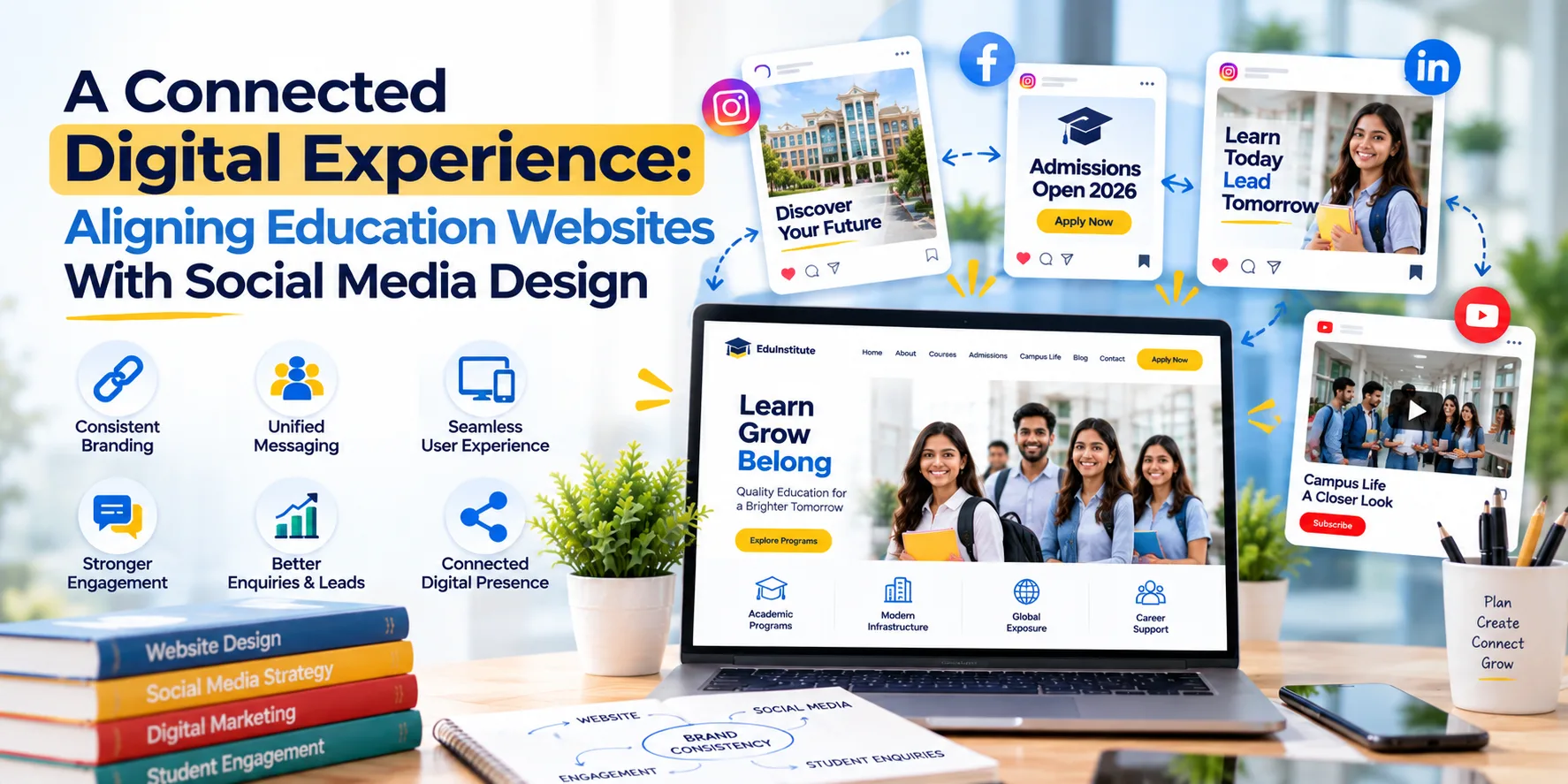
A connected digital experience brings website design, content, and social media communication together. It helps students and parents move between channels without losing context.
Why Consistency Matters Across Digital Channels
A prospective student might first see a college's course announcement on social media. They then visit the website to check eligibility, compare programmes, and submit an enquiry.
If the post uses one course name but the website uses another, or if the admission dates differ, the visitor may become uncertain. If the website is difficult to navigate, interest created by the post may not lead to further action.
Consistent messaging does not mean using identical content everywhere. It means making sure that each channel presents accurate information and supports the same overall user journey.
Build the Website Around Visitor Needs
The website should serve as a reliable source of detailed information. Organise course pages, admission information, student services, and contact details so visitors can find them without unnecessary searching.
A useful website structure starts with audience research. Ask students and parents which questions they commonly have, and use those questions to guide the page hierarchy.
Good UI/UX design for educational websites includes clear navigation, readable content, mobile-friendly layouts, accessible controls, and simple enquiry processes. These features help visitors move from general interest to specific information.
Make Social Media Graphics Easier to Recognise
Social media posts introduce topics, share updates, and encourage audiences to explore more. A consistent visual identity helps people recognise the institution's communication across different posts.
Use approved colours, typography, logo placement, and image styles. Create templates for recurring content, but adapt each layout to the message.
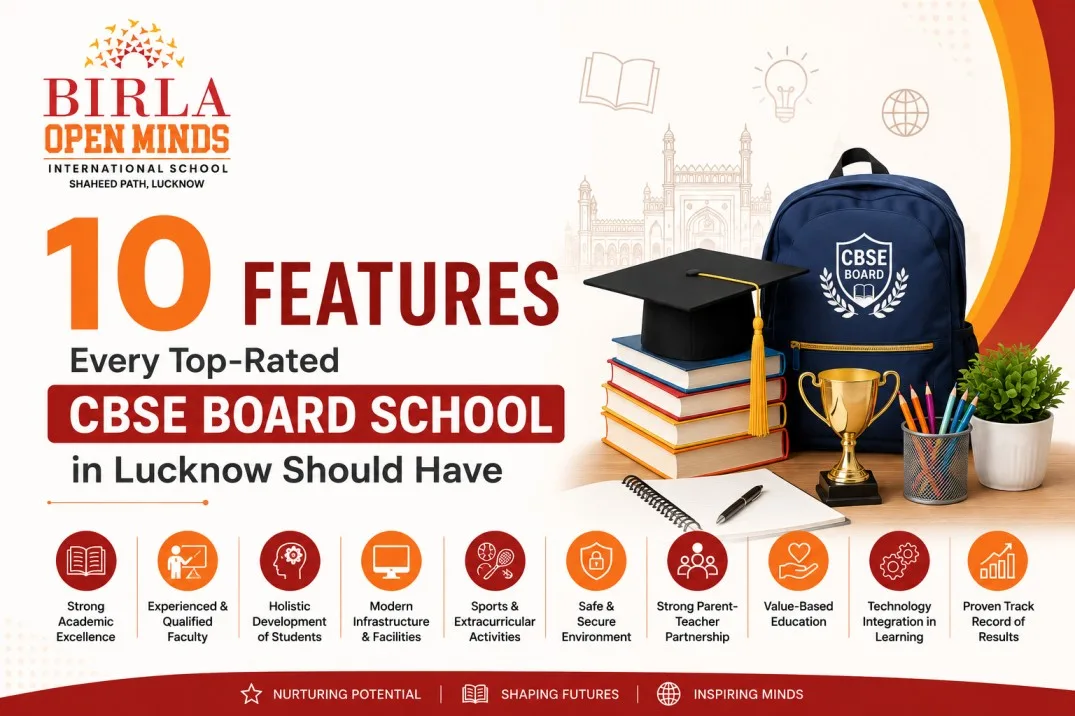
Effective social media graphics for educational institutions should communicate one main idea at a time. Admission notices should highlight the relevant deadline or next step. Course posts should present a useful feature or answer a common question. Event posts should make the date and registration details easy to find.
Make the Transition From Post to Website Seamless
Every link should lead to a page that matches the promise of the social media post.
For example, a post about a particular programme should lead to that programme's page. An open-day announcement should link to the event details and registration process. A post about admission requirements should direct visitors to the current admission information.
Avoid sending every social media visitor to the home page when a more relevant destination is available. A direct and relevant path reduces the amount of searching required.
Review links regularly, especially when dates change or campaigns end. Remove outdated details and make sure the destination page works correctly on mobile devices.
Use a Shared Content Planning Process
Website updates and social media publishing should be planned together. A shared content calendar can help teams coordinate admission dates, course launches, events, results, and other announcements.
Before a campaign begins, confirm the key information, prepare the destination page, create the social media assets, and agree on the publication schedule.
This process helps prevent a post from being published before the relevant website information is ready. It also makes it easier to maintain consistent language and accurate details across channels.
Choose the Right Design Partner
Some institutions may need external support to improve their website experience, develop a design system, or produce consistent social media assets. When evaluating agencies, look beyond visual samples.
The best UI/UX design agency in India for education institutes should be able to understand student and parent needs, structure information clearly, test important user journeys, and explain how design decisions support institutional goals.
Ask prospective partners how they research audiences, test mobile usability, manage revisions, and measure results. Review whether their work addresses practical user problems rather than focusing only on appearance.
If social media design is part of the requirement, check whether the agency can create reusable templates and maintain brand consistency across different content types.
Keep Accessibility and Accuracy at the Centre
A connected experience should be accessible and trustworthy. Use readable text, sufficient colour contrast, descriptive links, and appropriate alternative text for informative images. Keep important details available as text rather than communicating everything through graphics alone.
Check course information, dates, fees, eligibility criteria, contact details, and other essential facts before publication. Make sure social media content does not promise something that the linked website cannot confirm.
When student photographs or testimonials are used, follow the institution's permissions and privacy procedures.
Measure the Whole Journey, Not Just One Channel
Website and social media performance should be reviewed together. Social media reach may show how many people saw a post, while link clicks can indicate how many chose to explore further.
On the website, track visits to relevant pages, enquiry form starts, completed submissions, and the quality of the enquiries received. Where practical, use campaign tracking parameters to understand which posts send visitors to the site.
Do not judge success from a single metric. A post with fewer clicks may still provide useful information, while a page with high traffic may need improvement if visitors cannot complete the intended task.
Use these insights to refine content, links, page structure, and design.
Create a Process for Ongoing Improvement
Digital communication needs regular maintenance. Admission requirements change, events finish, courses are updated, and audience questions evolve.
Schedule periodic reviews of key pages, social media templates, and campaign links. Gather feedback from students, parents, and admission staff. Test common tasks to identify where visitors struggle.
Small, regular improvements can be more manageable than waiting until the website or social media presence needs a complete overhaul.
Conclusion
Education marketing works better when social media and the website support one another. Clear graphics attract attention and communicate key messages, while a well-organised website provides the details visitors need to make informed decisions.
By aligning content, design, links, accessibility, and measurement, educational institutions can create a more consistent digital journey. The goal is not simply to publish more content or redesign every page. It is to help students and parents find accurate information and take the next step with confidence.