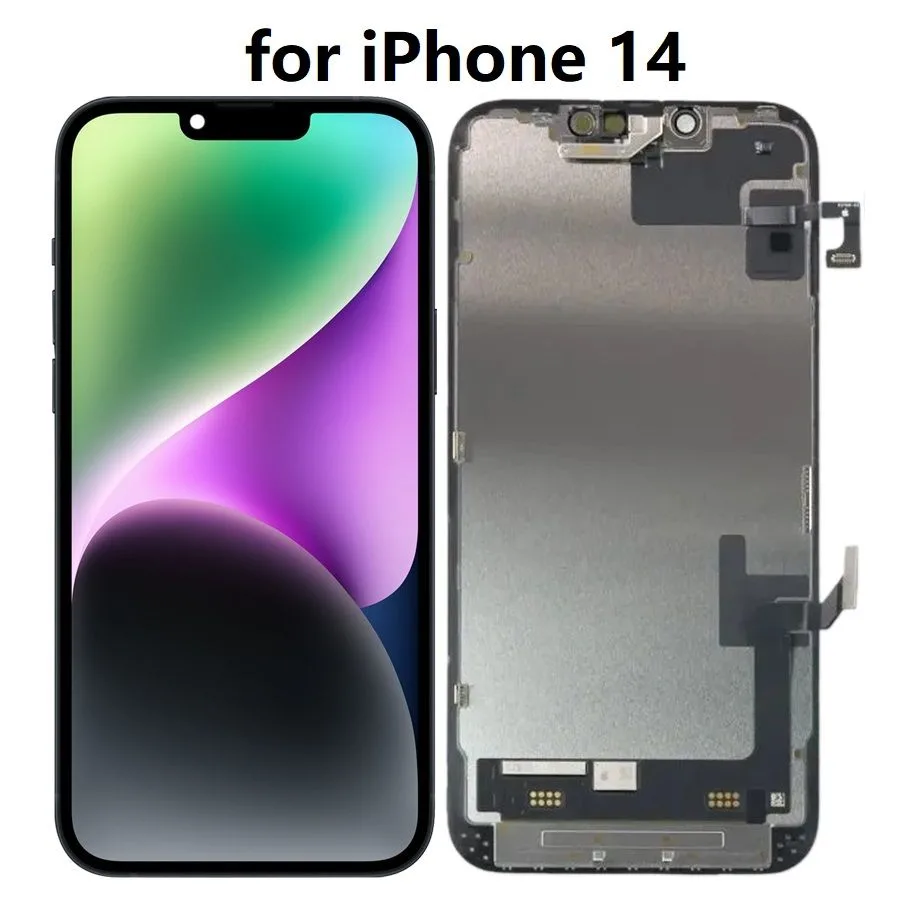
In 2026, the demand for replacement smartphone components continues to grow as consumers, repair businesses, and refurbishment companies look for cost-effective ways to extend the life of Apple devices. Whether you're replacing a damaged display or sourcing screens for a repair business, knowing how to Buy iPhone LCD screens wisely can help you save money while maintaining quality.
The market is filled with suppliers offering different grades, prices, and warranties, making it essential to understand what you're buying before placing an order. From identifying screen quality to choosing reliable suppliers, making informed decisions helps avoid unnecessary costs and ensures better long-term performance.
1. Understand the Different Types of iPhone LCD Screens
Not every replacement screen offers the same quality. Before you Buy iPhone LCD components, understand the different grades available.
Common options include:
- Original pulled screens
- OEM-quality replacement screens
- Premium aftermarket LCDs
- Standard aftermarket LCDs
Each type offers different levels of brightness, colour accuracy, touch responsiveness, and durability. Understanding these differences helps you make an informed purchasing decision.
2. Always Verify Compatibility
One of the most common mistakes is ordering the wrong screen.
Before purchasing, check:
- iPhone model number
- Screen size
- Display technology
- Connector compatibility
Even small differences between iPhone models can affect compatibility. Double-checking specifications helps prevent unnecessary returns and delays.
3. Compare More Than Just Price
Finding the lowest price isn't always the best value.
When comparing suppliers, consider:
- Product quality
- Warranty coverage
- Customer support
- Shipping times
- Return policy
A slightly higher price may provide better reliability and reduce replacement costs in the future.
4. Choose a Trusted Supplier
The supplier you choose plays a major role in the quality of your purchase.
Look for suppliers that provide:
- Clear product descriptions
- Transparent grading standards
- Positive customer reviews
- Secure payment methods
- Technical support
Buying from established suppliers reduces the risk of receiving poor-quality or incompatible screens.
5. Look for Warranty Protection
A warranty provides confidence in your purchase.
Reliable suppliers usually offer warranties covering manufacturing defects and display faults.
Before placing an order, check:
- Warranty duration
- Return process
- Replacement conditions
Good warranty policies demonstrate supplier confidence in their products.
6. Consider Bulk Purchasing
Repair shops, educational institutions, and refurbishment businesses often benefit from purchasing multiple screens at once.
Bulk buying offers advantages such as:
- Lower unit costs
- Better supplier discounts
- Reduced shipping expenses
- Consistent inventory availability
Planning purchases strategically can improve operational efficiency while reducing costs.
7. Buy From Suppliers Focused on Quality
In 2026, quality has become more important than ever.
A high-quality replacement screen provides:
- Better touch sensitivity
- Improved colour accuracy
- Higher brightness
- Longer lifespan
- Better customer satisfaction
Instead of focusing only on price, choose suppliers that prioritise quality assurance and thorough testing.
Best Practices for Repair Businesses and Organisations
Businesses and educational institutions purchasing replacement screens should follow a structured procurement process.
Create Approved Supplier Lists
Work only with suppliers that consistently deliver quality products.
Maintain Inventory Records
Track purchasing trends to avoid overstocking or shortages.
Test Sample Orders
Evaluate screen quality before committing to large purchases.
Train Technical Staff
Ensure technicians understand installation procedures and quality inspection standards.
Review Supplier Performance
Regularly monitor delivery times, warranty claims, and customer support quality.
These practices help organisations optimise purchasing decisions and maintain consistent repair standards.
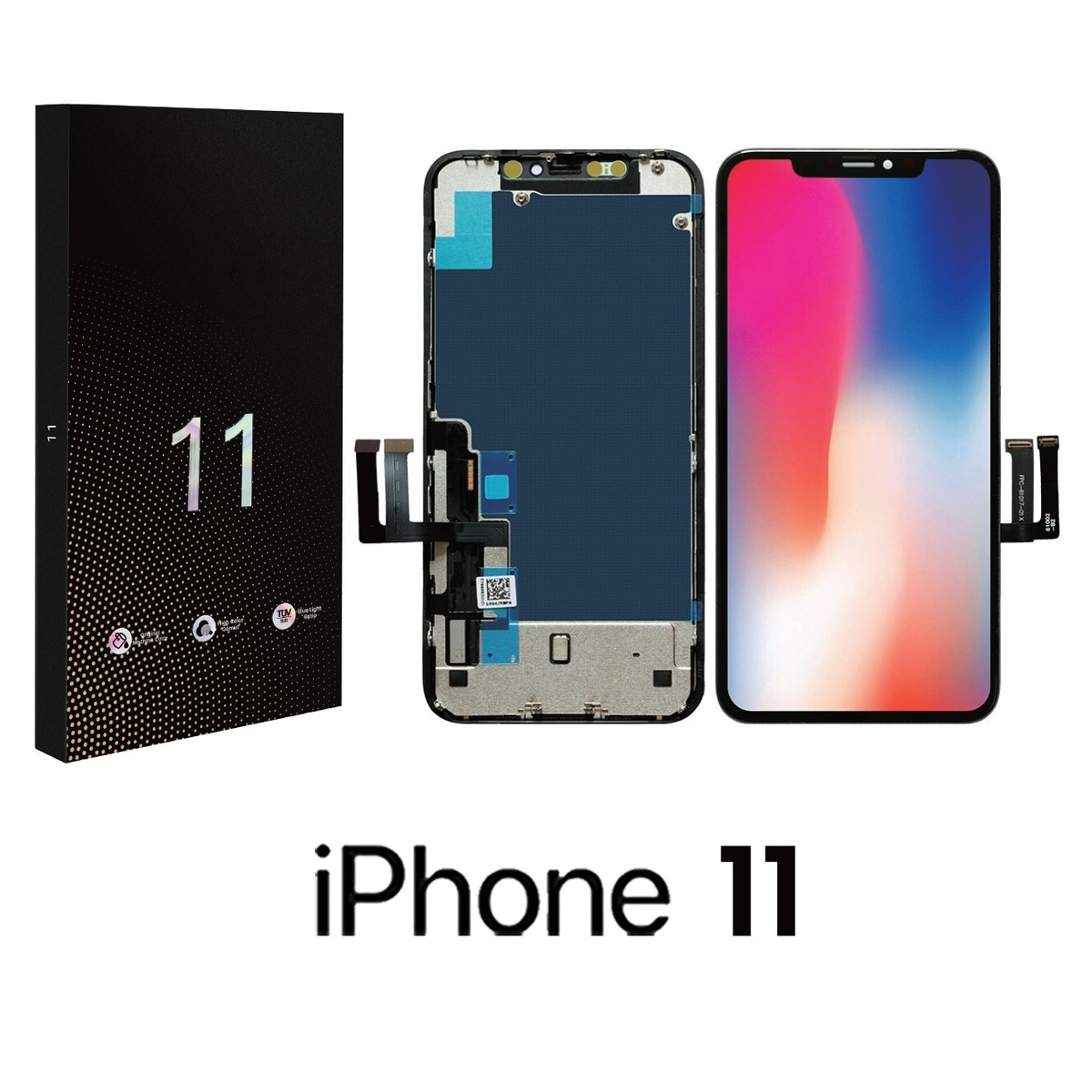
Ready to Buy Quality iPhone LCD Screens?
Choosing the right supplier is just as important as choosing the right product. By understanding screen grades, comparing suppliers carefully, and focusing on quality rather than price alone, you can make confident purchasing decisions.
If you need expert guidance before placing an order, Contact Us to learn more about available options and receive professional assistance tailored to your requirements.
LCD BUYER continues to support businesses and professionals with reliable solutions, transparent processes, and a strong commitment to quality in the smartphone component and recycling industry. By focusing on innovation and customer satisfaction, LCD BUYER remains a trusted name for those seeking dependable device solutions.
Frequently Asked Questions
1. How do I choose the right iPhone LCD screen?
Select a screen that matches your exact iPhone model and purchase from a trusted supplier offering quality assurance and warranty support.
2. Are OEM and aftermarket iPhone LCD screens different?
Yes. OEM-quality screens are designed to closely match original specifications, while aftermarket screens vary in quality depending on the manufacturer.
3. Is it worth paying more for a premium LCD screen?
Premium screens generally provide better brightness, touch response, durability, and overall performance, making them a worthwhile investment for many users.
4. Can businesses save money by purchasing iPhone LCD screens in bulk?
Yes. Bulk purchasing often provides discounted pricing, lower shipping costs, and improved inventory management for repair businesses and organisations.
5. What should I check before buying an iPhone LCD screen online?
Verify compatibility, product grade, warranty, supplier reputation, customer reviews, and return policy before making a purchase.